Isabella in Kanji
Isabella in Japanese kanji: 3 tattoo-ready ateji rated by meaning, strokes, and native readability — and why the only true 'za' kanji would brand you a piece of furniture.
At a Glance
| Kanji | Reading | Strokes | Tattoo |
|---|---|---|---|
| 伊沙辺良 | Isabera | 25 | fair |
| 唯咲辺良 | Isabera | 32 | fair |
| 伊沙辺羅 | Isabera | 37 | fair |
Get AI-built ateji for “Isabella” in seconds — options matched to the nuance you want.
See your name in kanji free →See it on your body
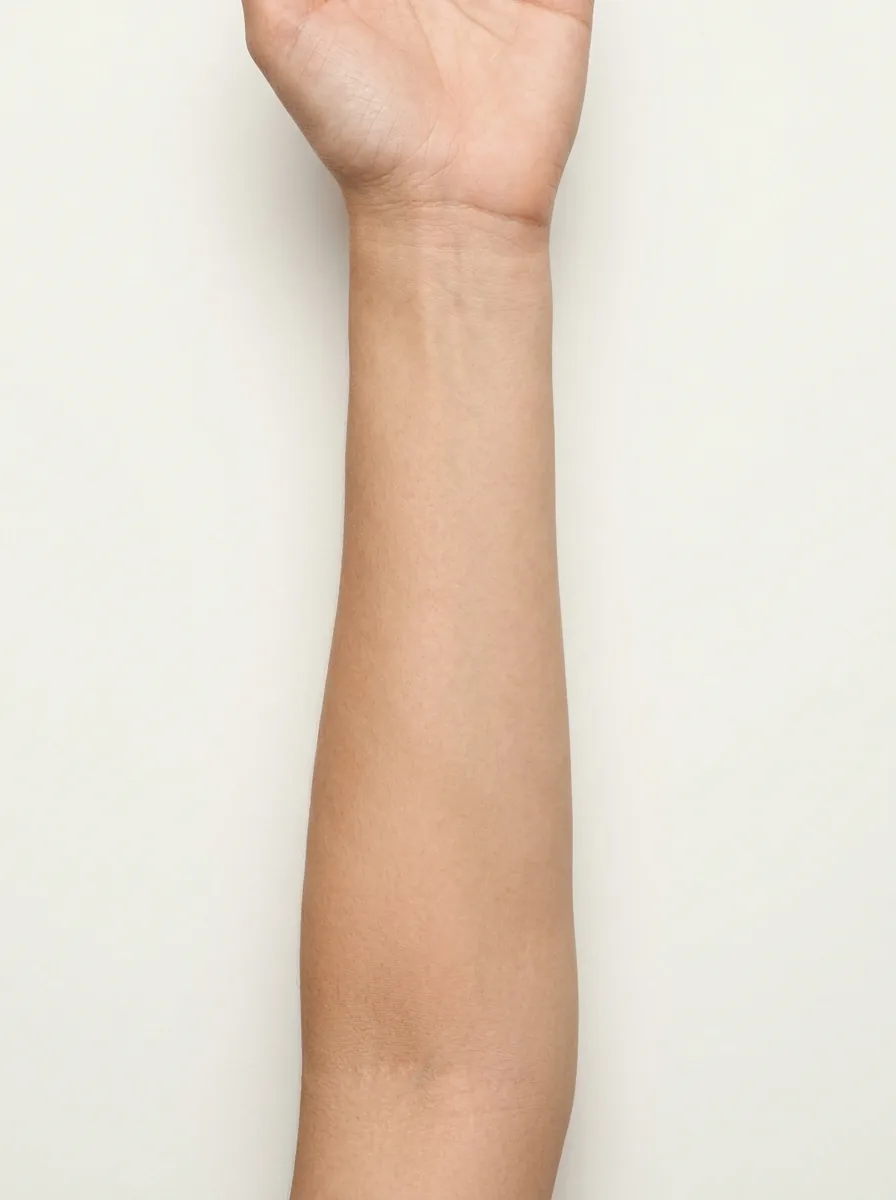
Forearm · vertical
Drag the kanji to move it.
This sits comfortably on a typical forearm.
The classic spot — a vertical column of kanji follows the arm naturally.
Mistakes are permanent — the check is free.
Most Natural Choice
For Isabella the correct and standard rendering is katakana: イザベラ — every Japanese reader will recognize it instantly, voiced ザ and all. Kanji versions are artistic ateji only, and Isabella is genuinely one of the hardest Western names to convert: the ザ sound has no name-worthy kanji (only 座, 'seat'), and the ベ sound survives mainly in surnames like 渡辺 and 阿部. Practical ateji therefore soften ザ to サ and read 'I-sa-be-ra.' If phonetic fidelity matters to you, use イザベラ; reserve kanji (伊沙辺良 for balance, 唯咲辺良 for sentiment, 伊沙辺羅 for poetry) for when you knowingly accept the softened middle.
伊沙辺良
Reads 'I-sa-be-ra' — note the softened middle: no beautiful kanji reads 'za,' so ateji tradition drops the voicing and uses 沙 (sa). The image is 'fine sand at the water's edge, and goodness': 伊 lends classical elegance (伊織), 沙 softness, 良 virtue. 辺 is the honest weak link — its 'be' reading lives in surnames like 渡辺, so the string carries a faint surname flavor to native eyes.
The most balanced Isabella: light 25-stroke total, classical 伊 opening, soft natural imagery, and every reading genuine. Capped at fair for two honest reasons — it reads 'Isabera' (the ザ is de-voiced to サ), and 辺's surname-flavored 'be' keeps the four characters from feeling like a given name. Still the recommended default if you want kanji.
唯咲辺良
Reads 'I-sa-be-ra' with the strongest opening statement: 唯 means 'one and only' (唯一), and 咲 is the beloved blooming kanji of modern girls' names (美咲, 咲良). Together: 'a one-of-a-kind bloom by the water's edge, good and fine.' Like all Isabella ateji it de-voices ザ to サ, and its 'be' still leans on the surname kanji 辺.
The most affectionate meaning of the three — 'one and only' plus 'bloom' reads like a parent's blessing, and both 唯 and 咲 are current, real name kanji. Costs: 32 strokes is mid-heavy, the ザ is still softened to サ, and 唯's 'i' reading (from 唯一) is less obvious to casual readers than 伊. Choose it for the sentiment.
伊沙辺羅
Reads 'I-sa-be-ra,' closing with 羅 (thin silk) instead of 良 — and quietly containing 沙羅 (sara), the sal tree under which the Buddha passed and a real Japanese girls' name. The image is 'sand, water's edge, sheer silk': the most literary and textural of the three. The same compromises apply: de-voiced ザ, surname-flavored 辺.
The most poetic option — the hidden 沙羅 gives it classical depth that a knowing reader will catch, and 羅's gauzy silk suits a romantic name like Isabella. But 37 strokes is the heaviest here, with the dense 羅 (19 strokes) last, so it needs size to breathe. Same honest phonetic cap: it says 'Isabera,' not 'Izabera.'
Font Style Preview
See how each ateji looks in different Japanese font styles.
| Font | 伊沙辺良 | 唯咲辺良 | 伊沙辺羅 |
|---|---|---|---|
| Serif | 伊沙辺良 | 唯咲辺良 | 伊沙辺羅 |
| Sans | 伊沙辺良 | 唯咲辺良 | 伊沙辺羅 |
| Yuji Mai | 伊沙辺良 | 唯咲辺良 | 伊沙辺羅 |
| Yuji Syuku | 伊沙辺良 | 唯咲辺良 | 伊沙辺羅 |
| Kouzan Syodou | 伊沙辺良 | 唯咲辺良 | 伊沙辺羅 |
| Tamanegi Geki | 伊沙辺良 | 唯咲辺良 | 伊沙辺羅 |
Ateji to Avoid
座 is the least-bad of the common kanji that truly read 'za' (the other everyday one, 挫 of 挫折 'setback,' is worse still) — which makes it the obvious converter pick for Isabella's second syllable. But it means 'seat, to sit' (銀座 is literally 'silver seat'). Phonetically faithful, semantically furniture: on skin it reads as an object, not a queen's name.
胃 reads 'i' cleanly, which is exactly why automatic tools grab it — but it means 'stomach,' the anatomical organ. Opening Isabella with the stomach kanji is the kind of mistake this page exists to prevent. Use 伊 or 唯 instead.
裸 reads 'ra' (as in 全裸, stark naked) and means 'naked, bare.' It is a genuine on-reading for the final syllable of Isabella, and a careless sound-match can end the name with it. 良 (good) and 羅 (silk) are the safe 'ra' characters.
Before You Ink
Isabella packs two of ateji's hardest sounds into one name
Isabella is regal in Europe but stubborn in kanji: ザ has essentially one kanji (座, 'seat' — unusable in a name), and ベ survives almost exclusively in surnames (渡辺, 阿部), never in modern given names. So every kanji Isabella both softens the ザ and borrows a surname character, landing on 'Isabera.' If you love the name for its lineage, remember it is a form of Elizabeth — the same softening applies there, and the two pages' candidates make an interesting comparison. For guaranteed accuracy, イザベラ in katakana is the honest answer.
Build my kanji with AI →Frequently Asked Questions
Your name is yours — make sure the kanji are too
Ateji is a personal choice. Our AI proposes options based on the nuance you want, checks each character against the human-name kanji list, and explains the trade-offs in plain English.
Start my free kanji →