Joshua in Kanji
Joshua in kanji: 3 tattoo-ready ateji rated for meaning and native readability. One of the few English names kanji spells cleanly — if you dodge the 'woman' and 'curse' traps.
At a Glance
| Kanji | Reading | Strokes | Tattoo |
|---|---|---|---|
| 助守亜 | Joshua | 20 | good |
| 如珠亜 | Joshua | 23 | good |
| 恕修亜 | Joshua | 27 | fair |
Get AI-built ateji for “Joshua” in seconds — options matched to the nuance you want.
See your name in kanji free →See it on your body
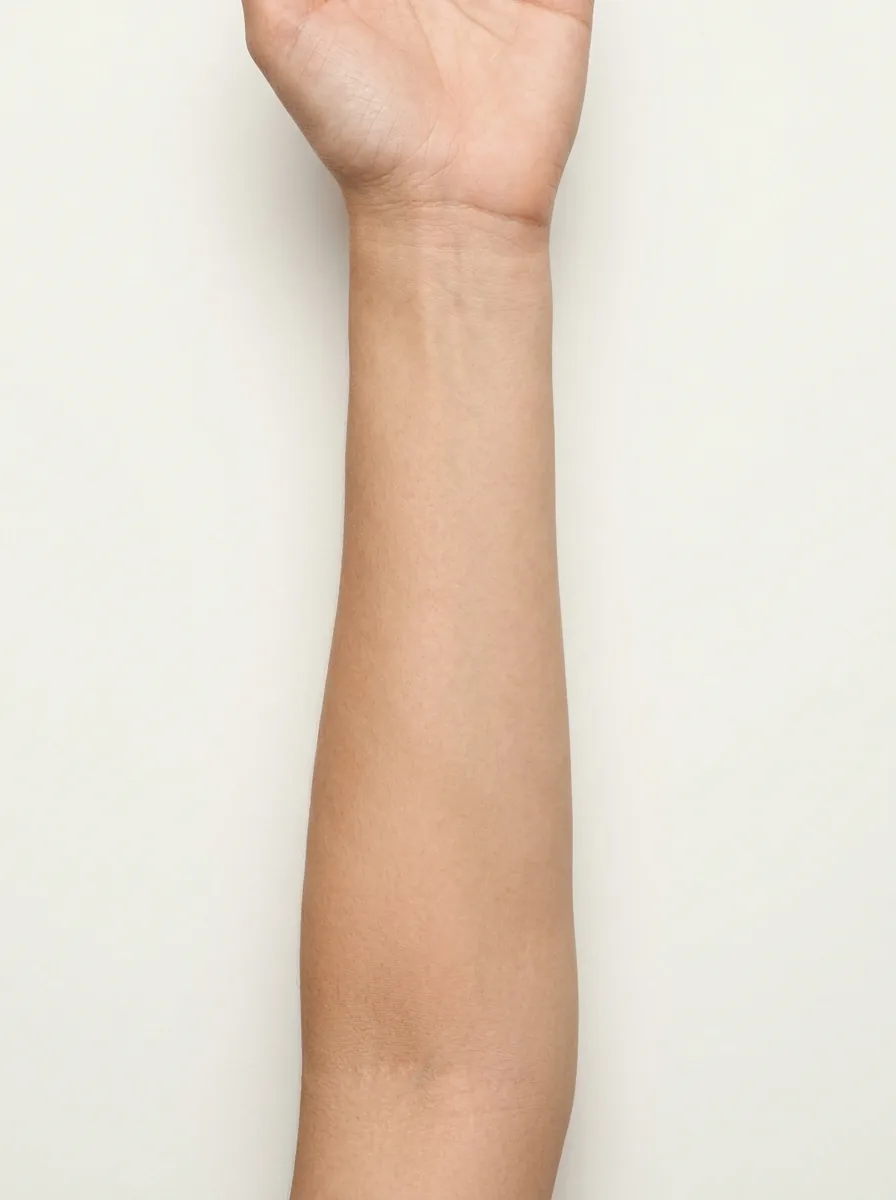
Forearm · vertical
Drag the kanji to move it.
This sits comfortably on a typical forearm.
The classic spot — a vertical column of kanji follows the arm naturally.
Mistakes are permanent — the check is free.
Most Natural Choice
For Joshua the correct, standard rendering is katakana: ジョシュア — that is how the name is written in Japan and what any Japanese reader expects for a foreign name. Kanji is an artistic ateji choice. That said, Joshua is one of the luckiest English names for ateji: jo, shu and a are all genuine on'yomi syllables, there is no ン, no long vowel, and no foreign sound to fake, so a three-kanji version can spell the whole name honestly. Among the candidates, 助守亜 ('rescue and protect') even mirrors the Hebrew meaning 'YHWH is salvation' — a rare case where sound and sense line up.
助守亜
Reads 'Jo-shu-a' with no sounds dropped — rare luck for an English name. The meaning is the real prize: 助 (rescue) plus 守 (protect) gives 'one who rescues and protects,' which directly echoes Joshua's Hebrew meaning of salvation. 助 carries the pedigree of classic male names ending in 〜之助, and 守 appears in real names (Mamoru). 亜 is phonetic filler, but a standard, expected one.
The best alignment on this page: perfect phonetics, a light 20 strokes, and a 'rescuer-protector' meaning that genuinely translates the name's Hebrew sense rather than just its sound. Held back from excellent only because the three-character shape with a final 亜 reads as foreign-name ateji, not a name a Japanese man would actually carry.
如珠亜
Also a clean 'Jo-shu-a.' Here the first two characters read kanbun-style as a phrase: 如珠, 'like a pearl.' 如 lends a serene, Buddhist-classical air (it opens 如来, the title of a Buddha), and 珠 is the lustrous pearl. The result is quieter and more contemplative than 助守亜 — elegance and inner worth rather than action. 亜 again serves as the phonetic 'a.'
Honest readings throughout, a classical-style two-character phrase ('like a pearl') at its heart, and a calm classical dignity that suits fine-line tattoo styles. Two caveats: 珠 leans slightly soft for a masculine name, and the meaning connects to beauty rather than to Joshua's 'salvation' etymology — pick it for the aesthetics, not the theology.
恕修亜
Also 'Jo-shu-a,' built on two virtues: 恕, the Confucian ideal of empathetic forgiveness that Confucius named as the one word to live by, and 修, self-discipline and training (the shu of 修行). The combination reads as 'forgiveness perfected through discipline' — the most philosophical of the three, with real classical depth for readers who know the characters.
Phonetically legitimate and the deepest meaning of the set — but 恕 is a literary character most younger Japanese readers can't read on sight, so the tattoo's virtue goes unrecognized more often than not. 27 strokes is the heaviest here. A connoisseur's choice: superb if you value the Confucian reference, weaker as something natives will parse at a glance.
Font Style Preview
See how each ateji looks in different Japanese font styles.
| Font | 助守亜 | 如珠亜 | 恕修亜 |
|---|---|---|---|
| Serif | 助守亜 | 如珠亜 | 恕修亜 |
| Sans | 助守亜 | 如珠亜 | 恕修亜 |
| Yuji Mai | 助守亜 | 如珠亜 | 恕修亜 |
| Yuji Syuku | 助守亜 | 如珠亜 | 恕修亜 |
| Kouzan Syodou | 助守亜 | 如珠亜 | 恕修亜 |
| Tamanegi Geki | 助守亜 | 如珠亜 | 恕修亜 |
Ateji to Avoid
女 is the single most common kanji with the reading 'jo' (女子, joshi; 女性, josei) — and it means 'woman.' Sound-only converters regularly offer it for the Jo of Joshua; on a man's tattoo it is an instant, highly visible embarrassment.
呪 reads 'ju' and means 'curse, hex' (呪い). Because ジョシュア is often carelessly voiced to a 'ju' sound mid-name, converters can slot 呪 into the shu position — turning your name into a curse, literally.
腫 is a textbook 'shu' reading, but it is a medical character meaning 'swelling, tumor' (腫瘍, shuyō). It is phonetically perfect for the middle of Joshua and semantically disastrous — exactly the trap a native check catches in seconds.
Before You Ink
Joshua is a rare clean mapping — use the luck well
Most English names lose something in kanji: a dropped ン, a faked 'th' or 'fa,' a vanished long vowel. Joshua loses nothing — jo, shu, a are all native syllables with real kanji readings, including 助, whose 〜之助 heritage runs through centuries of Japanese men's names. The one quirk to know: spoken aloud, 'joshu' is a homophone of 助手 (assistant), a common everyday word. Your tattoo won't say 'assistant' — the written characters control the meaning — but a Japanese friend may smile at the sound. Choose the version whose meaning you want to carry: rescue-and-protect, pearl-like poise, or forgiveness through discipline.
Build my kanji with AI →Frequently Asked Questions
Your name is yours — make sure the kanji are too
Ateji is a personal choice. Our AI proposes options based on the nuance you want, checks each character against the human-name kanji list, and explains the trade-offs in plain English.
Start my free kanji →