Maria in Kanji
Maria in Japanese kanji: 3 tattoo-ready ateji rated by meaning, stroke count, and native readability — a rare name with real ateji history, plus one demon kanji to avoid.
At a Glance
| Kanji | Reading | Strokes | Tattoo |
|---|---|---|---|
| 真理亜 | Maria | 28 | excellent |
| 茉莉愛 | Maria | 31 | excellent |
| 麻里亜 | Maria | 25 | good |
Get AI-built ateji for “Maria” in seconds — options matched to the nuance you want.
See your name in kanji free →See it on your body
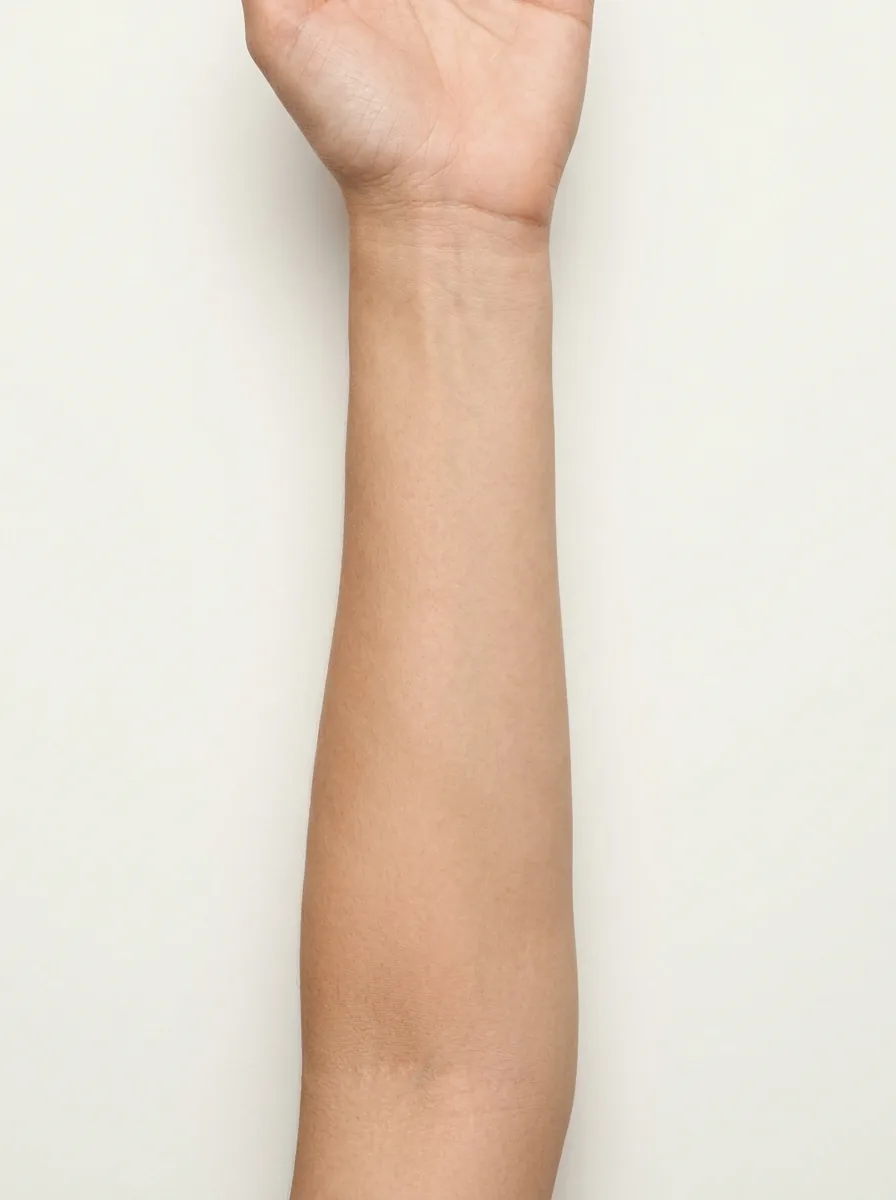
Forearm · vertical
Drag the kanji to move it.
This sits comfortably on a typical forearm.
The classic spot — a vertical column of kanji follows the arm naturally.
Mistakes are permanent — the check is free.
Most Natural Choice
For Maria the standard rendering for a foreigner's name is katakana: マリア. But Maria is a genuine exception among Western names: because of its long Christian history in Japan, マリア is also used as a real given name for Japanese women, and established kanji spellings such as 真理亜 and 茉莉愛 appear in actual name registries. So unlike almost every other name on this site, a kanji Maria is not pure invention — it overlaps with real Japanese naming practice. Katakana マリア remains the unambiguous default for identifying yourself as the Western 'Maria'; the kanji versions are legitimate, name-plausible choices rather than mere decoration.
真理亜
Reads 'Ma-ri-a' — the complete name, nothing dropped. The first two characters form 真理 (shinri), the actual Japanese word for 'truth,' so the name carries a built-in meaning of 'truth' that suits Maria's religious gravity remarkably well. All three characters are standard in real Japanese women's names (真理子 Mariko, 真理 Mari), and 真理亜 itself appears as a genuine given name in Japan. This is as close as ateji gets to a real spelling.
真理子 (Mariko) and 真理 (Mari) are classic Japanese given names built on the same characters, and 真理亜 itself appears in Japanese baby-name dictionaries read as マリア.
The rare case where everything aligns: the phonetics are perfect and complete, the embedded word 真理 ('truth') is a dignified meaning rather than a coincidence, and the combination is actually used as a real name for Japanese women. A native reader sees a name, not a transliteration. 28 strokes over three characters is comfortable at tattoo size.
茉莉愛
Reads 'Ma-ri-a' in full. The first two characters are the complete word 茉莉 — jasmine — so this version literally means 'jasmine love.' Both characters rank among the most popular in 21st-century Japanese girls' names, and 愛 read as 'a' is an established modern nanori reading (as in the popular name 心愛, Kokoa). Soft, floral, and affectionate where 真理亜 is serious and true — the same sound, a completely different personality.
茉莉 appears in popular girls' names like 茉莉 (Mari) and 茉莉花 (Marika), and 茉莉愛 is listed in modern Japanese baby-name references with the reading マリア.
Phonetically complete, gorgeous in meaning ('jasmine love'), and built from characters at the height of current naming fashion — 茉莉愛 is itself found among real modern girls' names read as Maria. The single soft spot is that 愛 as 'a' is a name-only reading, so a few readers may first try 'Mari-ai' before landing on Maria; in a name context, most will get there.
麻里亜
Reads 'Ma-ri-a' in full, in the most understated register of the three. 麻里 is a long-established name stem — 麻里子 (Mariko) has been a common Japanese name for generations — so 麻里亜 feels familiar and lived-in rather than invented. The literal meanings are humbler: flax growing straight, a home village. In Japanese tradition 麻 carries a quiet auspicious note, as children were wished to grow straight and strong like hemp.
麻里子 (Mariko) and 麻里 (Mari) are long-standing common Japanese names; 麻里亜 extends the same familiar stem to the reading マリア.
Phonetically perfect, the lightest stroke count of the three (25), and instantly name-like thanks to the familiar 麻里 stem. It rates 'good' rather than 'excellent' only because the literal meanings — hemp, village — are plain next to 'truth' or 'jasmine love.' A solid choice if you prefer understatement and a classic feel over vivid imagery.
Font Style Preview
See how each ateji looks in different Japanese font styles.
| Font | 真理亜 | 茉莉愛 | 麻里亜 |
|---|---|---|---|
| Serif | 真理亜 | 茉莉愛 | 麻里亜 |
| Sans | 真理亜 | 茉莉愛 | 麻里亜 |
| Yuji Mai | 真理亜 | 茉莉愛 | 麻里亜 |
| Yuji Syuku | 真理亜 | 茉莉愛 | 麻里亜 |
| Kouzan Syodou | 真理亜 | 茉莉愛 | 麻里亜 |
| Tamanegi Geki | 真理亜 | 茉莉愛 | 麻里亜 |
Ateji to Avoid
魔 reads 'ma' and means 'demon, evil spirit.' It is the single most notorious trap for any Ma- name, and for Maria — a name borne by the Virgin Mary — an accidental 'demon' character would be a spectacular own goal. Always check which 'ma' you have been given.
痢 reads 'ri' and appears in 下痢 (geri, diarrhea). It is a phonetically clean match for the middle of Maria and a classic converter trap for the 'ri' sound.
唖 reads 'a' (as in 唖然, azen) but is an old character meaning 'mute,' now considered an offensive term for people unable to speak. It sometimes surfaces in sound-only kanji pickers for the final 'a' — never let it near a name tattoo.
Before You Ink
Maria is the rare name where kanji ateji is genuinely established
Maria has been part of Japan's story since Christianity arrived in the 1500s. During the centuries of prohibition, hidden Christians venerated 'Maria Kannon' — statues of the bodhisattva Kannon quietly standing in for the Virgin Mary. Today マリア is used as a real given name for Japanese women, and kanji spellings like 真理亜 ('truth' + a) and 茉莉愛 ('jasmine love') appear in actual naming practice rather than being tattoo-shop inventions. That makes Maria one of the very few Western names whose kanji form can earn the word 'authentic' — provided you use one of the established spellings and not a sound-alike improvisation.
Build my kanji with AI →Frequently Asked Questions
Your name is yours — make sure the kanji are too
Ateji is a personal choice. Our AI proposes options based on the nuance you want, checks each character against the human-name kanji list, and explains the trade-offs in plain English.
Start my free kanji →