Zachary in Kanji
Zachary in Japanese kanji: 4 honest ateji rated for meaning, strokes, and risk — and why the only kanji that can open this name sits one radical from 'crushed'.
At a Glance
| Kanji | Reading | Strokes | Tattoo |
|---|---|---|---|
| 座嘉理 | Zakari | 35 | fair |
| 座華理 | Zakari | 31 | fair |
| 座久 | Zaku | 13 | fair |
| 佐嘉理 | Sakari | 32 | poor |
Get AI-built ateji for “Zachary” in seconds — options matched to the nuance you want.
See your name in kanji free →See it on your body
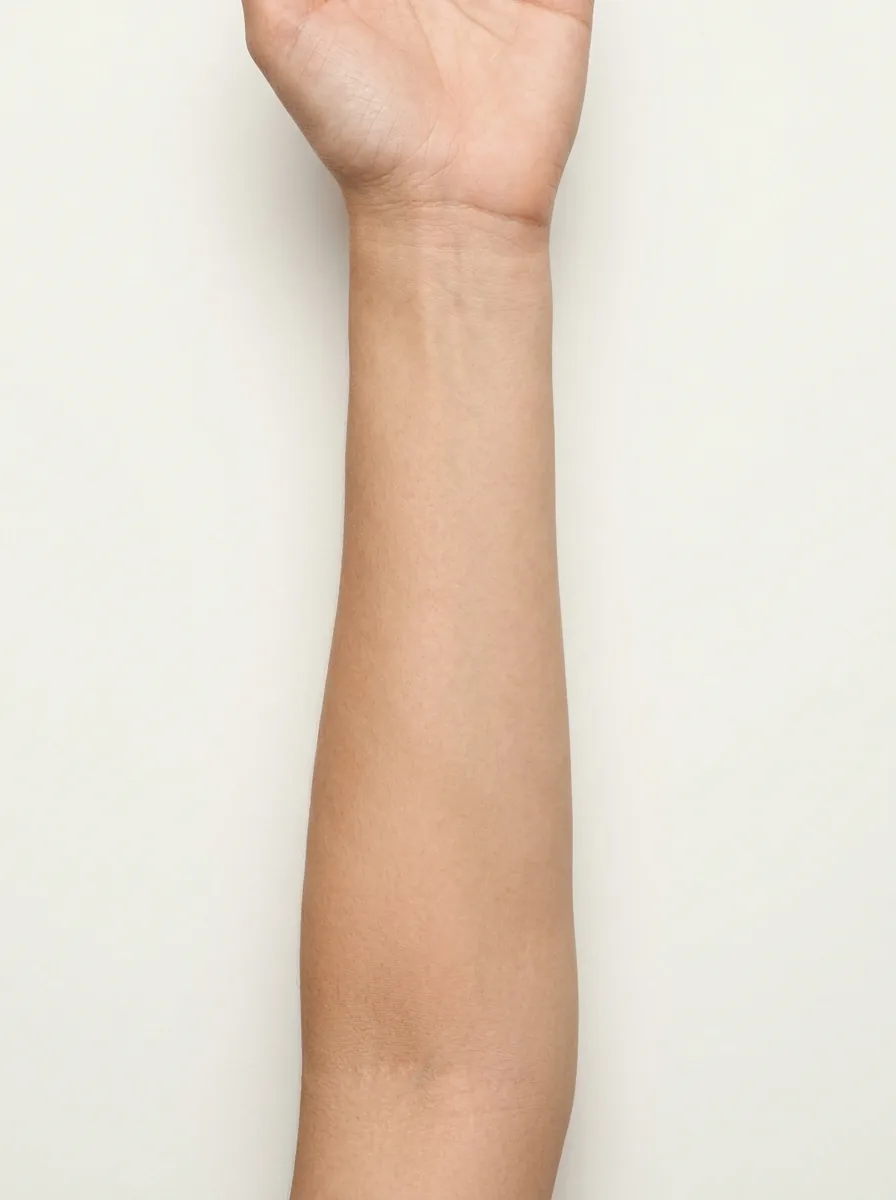
Forearm · vertical
Drag the kanji to move it.
This sits comfortably on a typical forearm.
The classic spot — a vertical column of kanji follows the arm naturally.
Mistakes are permanent — the check is free.
Most Natural Choice
For Zachary the standard rendering is katakana: ザカリー — the form used for Zachary Taylor (ザカリー・テイラー). You will also meet ザッカリー, closer to the American pronunciation, which adds a small ッ that kanji cannot write at all. Kanji is an aesthetic choice on top of that, and Zachary is one of the hardest Western names to make it work for. Japanese words historically never began with a voiced consonant, so the syllable 'za' has almost no kanji behind it: in practice there is 座, and the only real alternative, 挫, means 'to be crushed.' Every honest kanji Zachary therefore opens with the same character. The long ー at the end has no kanji either, so each version stops at 'Zakari.' If meaning matters more than sound, the name's sense — the Lord has remembered — maps onto real Japanese words such as 銘記 (meiki, to keep something engraved in memory).
座嘉理
Reads 'Za-ka-ri.' The long final vowel of ザカリー has no kanji at all, so every kanji version of this name simply stops a beat early — that is the one loss here, and it is unavoidable. The opening character is not a free choice: 座 is effectively the only usable kanji in the language for a voiced 'za,' so it appears in every serious ateji for this name. Read generously it is a strong one, carrying throne (王座) and constellation (星座) as much as 'seat,' and 嘉 and 理 give it 'a place of excellence and reason.' Read plainly, though, the first character still says 'seat,' and 〜座 is also how Japanese theatres are named (歌舞伎座, Kabuki-za).
The most dignified combination available for this name: 嘉 is a genuinely elevated character and 理 gives the whole a composed, principled sense, with every reading a real on'yomi. It cannot rate higher because of what sits at the front — 座 is a forced choice with a literal meaning ('seat') that no one would pick for a name, and the trailing long vowel of Zachary is simply gone. At 35 strokes across three characters this also wants a forearm rather than a wrist.
座華理
Also reads 'Za-ka-ri,' trading the formal 嘉 for the showier 華: 'a place of splendor and reason.' 華 is a visually striking character and four strokes lighter than 嘉, which brings the whole spelling down to a more wearable weight. Two honest notes. In modern Japanese given names 華 leans feminine and ornamental (華子, 美華), so this version reads softer than the first for a man's name. It is also the 華 of 中華 (chūka, Chinese cuisine), an everyday word that sits close to the surface for any Japanese reader.
The best balance of look and weight among the full-name options: 31 strokes, clean silhouettes, and imagery of splendor rather than abstraction. It carries the same unavoidable compromises as its sibling — the forced 座 at the front and the dropped long vowel at the end — and adds one of its own, in that 華 reads as decorative and slightly feminine in contemporary naming. Choose it for the visual balance if the softer register does not bother you.
座久
This renders the short form Zach, and it produces the lightest, most tattoo-friendly shape on the page: two characters, 13 strokes, glossed 'an enduring throne.' The phonetic loss is specific — Japanese writes Zach as ザック with a small ッ, the doubled consonant, and no kanji can represent that pause, so it flattens to 'Zaku.' That matters more than it sounds, because ザク is already something in Japanese: it is the onomatopoeia for a crisp chopping or crunching sound (ザクザク), and it is the name of the mass-produced enemy robot in the Gundam franchise, which nearly every Japanese person under sixty will think of first.
Structurally the strongest design here — compact, balanced, meaningful, and at 13 strokes it stays legible at any size. What holds it at fair is not the drawing but the sound: the doubled consonant of Zach cannot be written, so it reads 'Zaku,' and that reading collides head-on with a famous Gundam robot and with the crunching sound ザクザク. Wear it if the shape matters more to you than the association, and expect Japanese viewers to smile.
佐嘉理
This is the shortcut you will be offered elsewhere, shown here so you can see where it lands. Because kanji for a voiced 'za' are almost nonexistent while kanji for 'sa' are everywhere, converters and well-meaning suggestions often quietly un-voice the first sound, and the beautiful characters that result hide the damage. The reading is now 'Sakari,' not Zachary — and 盛り (sakari) is a real Japanese word meaning a peak or prime, which in everyday speech also means an animal in heat (盛りがついた, sakari ga tsuita). As a bonus problem, 佐嘉 is the historical spelling of Saga prefecture, so the string reads like a place name.
Honest verdict: the individual characters are lovely and the result is still wrong. Dropping the voicing loses the one sound that makes this name Zachary and delivers you to 'Sakari,' a word most Japanese adults associate with an animal in rut before anything else. It is the most common failure mode for this particular name precisely because it looks so much better than the 座 versions. If the 座 spellings do not appeal to you, use katakana rather than this.
Font Style Preview
See how each ateji looks in different Japanese font styles.
| Font | 座嘉理 | 座華理 | 座久 | 佐嘉理 |
|---|---|---|---|---|
| Serif | 座嘉理 | 座華理 | 座久 | 佐嘉理 |
| Sans | 座嘉理 | 座華理 | 座久 | 佐嘉理 |
| Yuji Mai | 座嘉理 | 座華理 | 座久 | 佐嘉理 |
| Yuji Syuku | 座嘉理 | 座華理 | 座久 | 佐嘉理 |
| Kouzan Syodou | 座嘉理 | 座華理 | 座久 | 佐嘉理 |
| Tamanegi Geki | 座嘉理 | 座華理 | 座久 | 佐嘉理 |
Ateji to Avoid
挫 is one of the only kanji besides 座 that reads 'za,' which makes it a live risk for the very first character of this name — and it means to be crushed, sprained or broken, as in 挫折 (zasetsu, failure and collapse). It differs from the usable 座 by a single element on the left, so a careless stencil or a converter's second-choice suggestion opens your tattoo with 'defeat.'
禍 reads 'ka' and fits the middle syllable perfectly, but it means calamity and disaster (災禍, saika; 禍根, kakon, the root of future trouble). Sound-only tools rank it because it is a standard character with exactly that reading; on skin it plants a misfortune in the centre of your name.
痢 reads 'ri' and matches the final syllable exactly, but it is the 痢 of 下痢 (geri, diarrhea) and appears in essentially no other everyday word, so a Japanese reader sees only that. Watch 離 (separation, as in 離婚, divorce) for the same syllable — phonetically flawless, and a bleak note to end a name on.
Before You Ink
Japanese has almost no kanji that can start with 'za'
Old Japanese did not allow words to begin with a voiced consonant, and the language still carries that shape: syllables like za, ba and da at the head of a word are rare and mostly borrowed. The consequence for this name is concrete. Scanning for a single-mora 'za' leaves 座 (seat, throne, constellation), 挫 (to be crushed) and little else — so 座 is not chosen for Zachary so much as conceded to it, which is why every candidate above begins the same way. Two further things kanji cannot do here: the long ー of ザカリー has no character, and the small ッ of ザック has none either. The escape route people reach for, quietly un-voicing the first sound to 'sa,' is worse than the problem, because it lands on 盛り (sakari). Note too that the biblical prophet behind this name is written ゼカリヤ (Zekariya) in Japanese Bibles, so a Japanese reader is unlikely to connect your tattoo to the scriptural name unless you say so.
Build my kanji with AI →Frequently Asked Questions
Your name is yours — make sure the kanji are too
Ateji is a personal choice. Our AI proposes options based on the nuance you want, checks each character against the human-name kanji list, and explains the trade-offs in plain English.
Start my free kanji →