David in Kanji
David (デイビッド) in kanji uses ateji — phonetic characters for sound. Compare candidates like 出美土 and 大偉 with stroke counts, meanings, and tattoo suitability.
At a Glance
| Kanji | Reading | Strokes | Tattoo |
|---|---|---|---|
| 出美土 | Debido | 17 | good |
| 大偉土 | Daibido | 18 | good |
| 大偉 | Dai | 15 | excellent |
Get AI-built ateji for “David” in seconds — options matched to the nuance you want.
See your name in kanji free →See it on your body
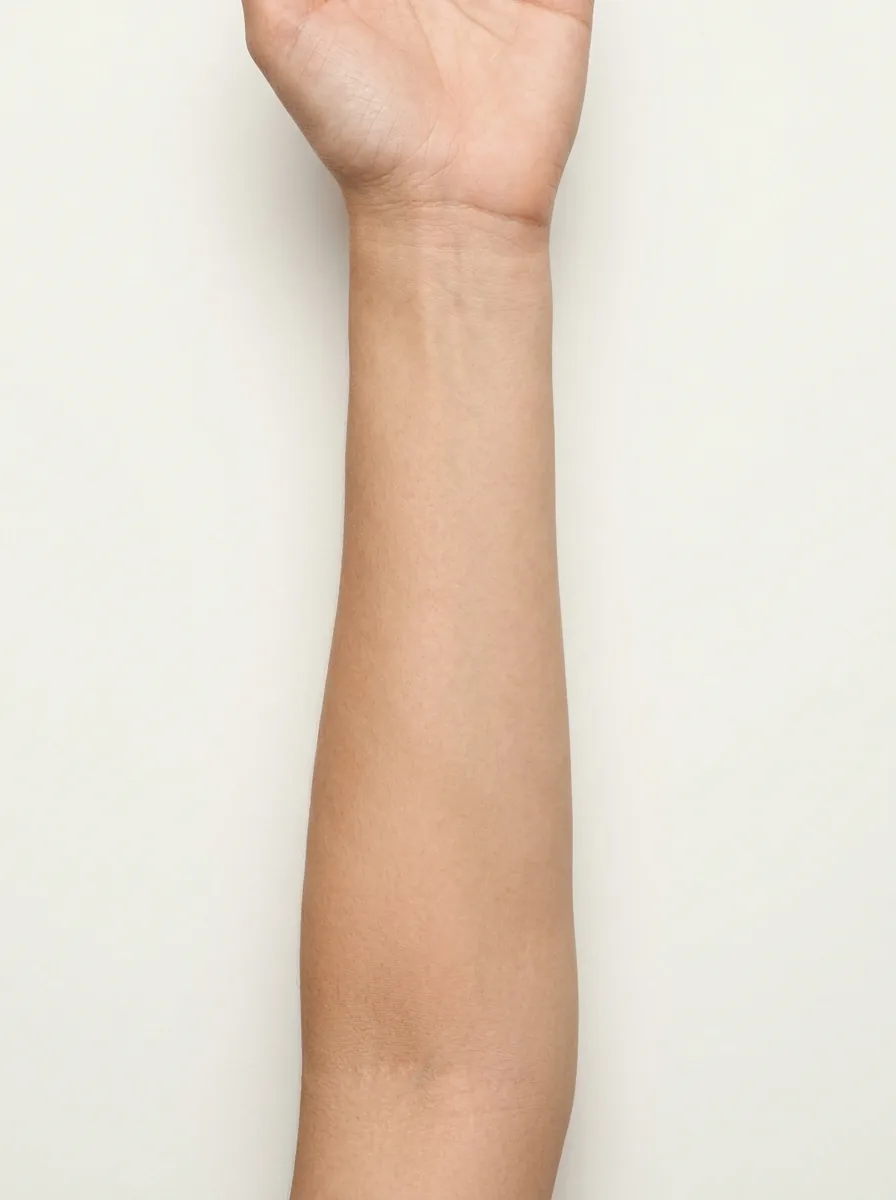
Forearm · vertical
Drag the kanji to move it.
This sits comfortably on a typical forearm.
The classic spot — a vertical column of kanji follows the arm naturally.
Mistakes are permanent — the check is free.
Most Natural Choice
David has no natural ateji in Japanese, and the default rendering is カタカナ (デイビッド or デビッド). For kanji, you have two honest paths: a 3-character literal phonetic spelling like 出美土 (Debido) that captures the full sound but reads as constructed, or a shortened 2-character form like 大偉 (Dai) that drops syllables but reads as a real Japanese male name. Most practitioners pick the 2-character path for tattoos.
出美土
A literal phonetic match meaning roughly 'beauty emerging from the earth.' All three characters are common everyday kanji and the meaning has a grounded, masculine feel. The middle 美 is unusual in male names but works here because the other two are strongly neutral or masculine.
Low stroke count (17 total) gives excellent legibility for a tattoo. Each character is jōyō kanji and instantly readable. The literal reading 'beauty from the earth' is poetic rather than absurd, though native readers will recognize it as a constructed ateji rather than a real Japanese name.
大偉土
Reads as 'great, admirable earth' — a strongly masculine combination that captures the 'Daibido' sound (closer to American 'David' than the Japanese 'Debiddo'). The double-greatness of 大 + 偉 amplifies the masculine impression, with 土 grounding the name.
Strongly masculine throughout — 大 and 偉 are both common in male names (Daiki, Hidaka). At 18 strokes, visually balanced and legible. Slightly bombastic in literal meaning ('great great earth') but that maximalism reads as confident rather than absurd.
大偉
A shortened 2-character form covering only 'Dai,' read as 'great and admirable.' Trades full phonetic coverage for the visual cleanness of a real Japanese-style male name pattern. This compromise is what many Japanese tattoo artists actually recommend for long Western names.
大偉 (Daii) is a documented Japanese male given name. The 大 + masculine pairing is also seen in names like Daiki (大樹) and Daichi (大地).
Cleanest of the three options. 大 + 偉 reads as Daiki / Daii / Dai — all real Japanese male name patterns. Strongly masculine and unambiguous. The honest tradeoff: a 2-character ateji that reads as a real name beats a 3-character one that reads as gibberish.
Font Style Preview
See how each ateji looks in different Japanese font styles.
| Font | 出美土 | 大偉土 | 大偉 |
|---|---|---|---|
| Serif | 出美土 | 大偉土 | 大偉 |
| Sans | 出美土 | 大偉土 | 大偉 |
| Yuji Mai | 出美土 | 大偉土 | 大偉 |
| Yuji Syuku | 出美土 | 大偉土 | 大偉 |
| Kouzan Syodou | 出美土 | 大偉土 | 大偉 |
| Tamanegi Geki | 出美土 | 大偉土 | 大偉 |
Ateji to Avoid
Sometimes suggested as 'Debido' phonetically (出 = de, 火 = bi, 戸 = do). 火 means fire and 戸 means door — the literal reading 'emerging fire door' sounds like an emergency exit sign, not a name.
Single-character suggestions sometimes include 泥 (mud) because it reads 'doro/dei.' 泥 has overwhelmingly negative connotations (mud, slush, drunkenness as in 泥酔). Strictly avoid for any name use.
出尾 reads 'deo/debio' and is occasionally proposed as a short ateji. 尾 (tail) is an animal-body kanji rarely used in personal names, and the 'tail emerging' literal meaning reads humorously rather than as a name.
Before You Ink
There's no 'correct' kanji for David
The 'd' and 'b' sounds resist clean kanji mapping, so every form is a stylistic ateji. A real-name pattern like 大偉 (Dai) beats forcing a literal spelling — and steer clear of 泥 (mud) or 火 (fire).
Build my kanji with AI →Frequently Asked Questions
Your name is yours — make sure the kanji are too
Ateji is a personal choice. Our AI proposes options based on the nuance you want, checks each character against the human-name kanji list, and explains the trade-offs in plain English.
Start my free kanji →