Emily in Kanji
Emily (エミリー) in kanji uses ateji — phonetic characters chosen to match the sound. Compare 4 candidates like 愛美里 and 絵美理 with stroke counts, character meanings, and tattoo suitability.
At a Glance
| Kanji | Reading | Strokes | Tattoo |
|---|---|---|---|
| 愛美里 | Emiri | 29 | excellent |
| 絵美理 | Emiri | 32 | excellent |
| 恵美里 | Emiri | 26 | excellent |
| 江美利 | Emiri | 22 | good |
Get AI-built ateji for “Emily” in seconds — options matched to the nuance you want.
See your name in kanji free →See it on your body
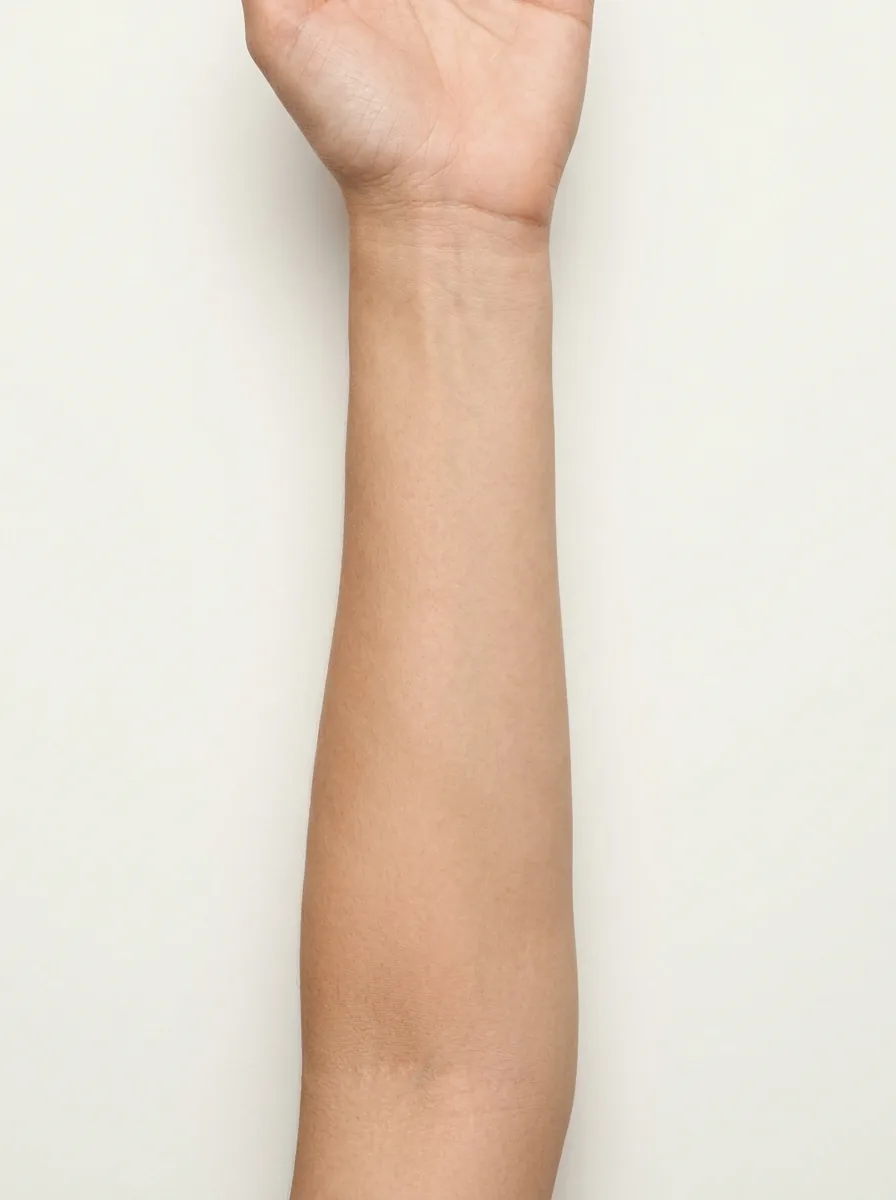
Forearm · vertical
Drag the kanji to move it.
This sits comfortably on a typical forearm.
The classic spot — a vertical column of kanji follows the arm naturally.
Mistakes are permanent — the check is free.
Most Natural Choice
愛美里 and 恵美里 are the two most natural-sounding choices. Both are real Japanese name spellings (read as Emiri) and both use characters that are immediately recognizable as feminine. If you want maximum cultural authenticity, pick one of these — not a forced 4-character spelling that tries to match the long 'ee' in English.
愛美里
A graceful combination meaning roughly 'beautiful village of love.' Each kanji carries a positive, feminine connotation in Japan and the reading flows naturally as a Japanese-style name. This is one of the most popular ateji choices for Emily because it sounds like a real Japanese girl's name (Emiri).
The reading 'Emiri' (えみり) is a real Japanese girl's name and 愛美里 is one of its standard kanji forms.
All three characters are common in Japanese female names (愛 in Aiko, 美 in Yumi, 里 in Satori). The arrangement reads as a believable Japanese name rather than a forced phonetic spelling — making it the most natural choice for someone who wants their name in kanji without looking out of place.
絵美理
Translates loosely to 'beautiful reason, like a painting.' 絵 (picture) gives a soft, artistic feel and 理 (reason/logic) adds a sense of intelligence. Common in real Japanese names — Emiri written this way is recognizable and tasteful.
絵美理 is a documented kanji spelling for the Japanese name Emiri.
Visually balanced and commonly used as a real Japanese first name. 絵 has clean horizontal strokes that pair well with the more complex 理. Reads instantly as a feminine Japanese name to native speakers.
恵美里
Reads as 'blessed beauty of the village.' 恵 carries a warm, gentle nuance often associated with kindness and grace. This pairing is widely used in real Japanese female names and matches the Latin origin of Emily (industrious / earned blessing) reasonably well.
Lower total stroke count than 愛美里 makes it cleaner at small sizes. All three characters are 人名用漢字 (jinmeiyou kanji — approved for use in personal names), so it reads as authentically Japanese rather than as a foreign experiment.
江美利
An older, more classical pattern meaning 'beneficial beauty of the inlet.' 江 has a literary, slightly retro feel and 利 carries connotations of cleverness. Less common than the other three choices but visually distinct.
Lowest stroke count of the four candidates — best legibility in small or fine-line tattoos. The classical feel of 江 makes it a good fit if you want a slightly old-fashioned aesthetic. Slightly less feminine in tone than the other options because 利 is also widely used in male names.
Font Style Preview
See how each ateji looks in different Japanese font styles.
| Font | 愛美里 | 絵美理 | 恵美里 | 江美利 |
|---|---|---|---|---|
| Serif | 愛美里 | 絵美理 | 恵美里 | 江美利 |
| Sans | 愛美里 | 絵美理 | 恵美里 | 江美利 |
| Yuji Mai | 愛美里 | 絵美理 | 恵美里 | 江美利 |
| Yuji Syuku | 愛美里 | 絵美理 | 恵美里 | 江美利 |
| Kouzan Syodou | 愛美里 | 絵美理 | 恵美里 | 江美利 |
| Tamanegi Geki | 愛美里 | 絵美理 | 恵美里 | 江美利 |
Ateji to Avoid
Sometimes suggested because 笑 (smile) reads 'e' in some contexts and feels positive. But 笑 is rarely used in real names because it visually looks like a verb (to laugh) more than a name component. A native speaker may read it as 'Warai-Miri' before 'Emiri.'
蛯 reads 'ebi' (shrimp) and is occasionally used phonetically, but it carries a strong food/animal association. As a tattoo it would read as 'Shrimp Beauty Village' to most native speakers — not the impression you want.
依 reads 'i' or 'e' and is technically valid, but it primarily means 'depend on' or 'rely on' — a passive, somewhat weak nuance for a name tattoo. Native speakers would find it grammatically odd as a leading character.
Before You Ink
There's no single 'correct' kanji for Emily
The choice is personal and signals the nuance you want to project. Japanese speakers default to katakana (エミリー), so a poorly chosen ateji can look forced or accidentally humorous.
Build my kanji with AI →Frequently Asked Questions
Your name is yours — make sure the kanji are too
Ateji is a personal choice. Our AI proposes options based on the nuance you want, checks each character against the human-name kanji list, and explains the trade-offs in plain English.
Start my free kanji →