Emma in Kanji
Emma in Japanese kanji: 3 tattoo-ready ateji rated by meaning, strokes, and native readability. It maps perfectly — but the most obvious kanji pair spells a shrine trinket.
At a Glance
| Kanji | Reading | Strokes | Tattoo |
|---|---|---|---|
| 恵茉 | Ema | 18 | excellent |
| 絵麻 | Ema | 23 | good |
| 愛茉 | Ema | 21 | good |
Get AI-built ateji for “Emma” in seconds — options matched to the nuance you want.
See your name in kanji free →See it on your body
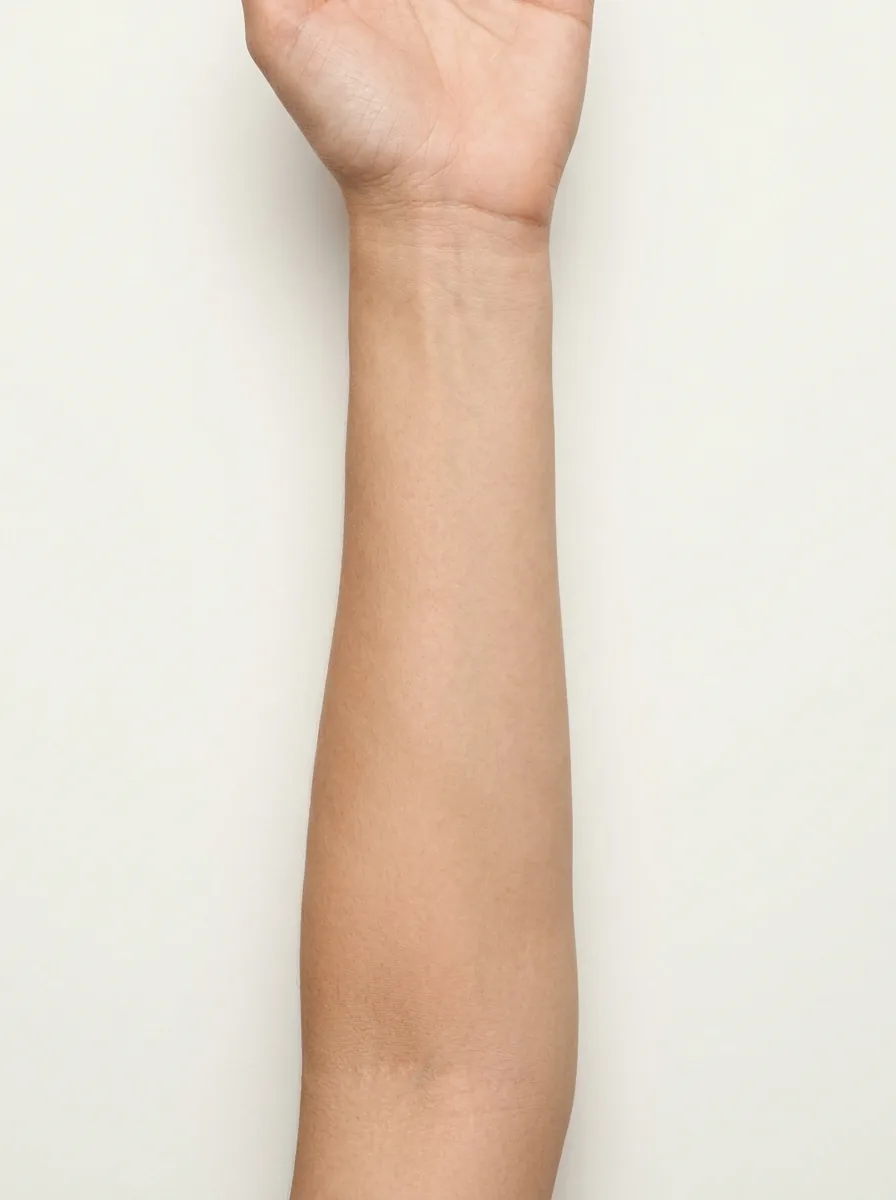
Forearm · vertical
Drag the kanji to move it.
This sits comfortably on a typical forearm.
The classic spot — a vertical column of kanji follows the arm naturally.
Mistakes are permanent — the check is free.
Most Natural Choice
For Emma the standard, always-correct rendering is katakana: エマ — instantly readable and unambiguous for a foreign name. But Emma is a special case: Ema is also a real Japanese girls' name, written with kanji such as 恵茉 or 絵麻, so a kanji version is an artistic ateji choice that can genuinely pass as a native name. That makes Emma one of the safest Western names to render in kanji — provided you avoid the sound-alike traps below and remember that 絵馬 (ema) already means the wooden votive tablet sold at Shinto shrines.
恵茉
Reads 'E-ma' with zero compromise — Emma is one of the very few Western names whose every sound maps onto natural Japanese name syllables. The imagery is 'a blessed jasmine': 恵 (as in 恵美 Emi) carries grace and good fortune, 茉 the jasmine flower. Crucially, Ema is also a genuine Japanese girls' name, so this reads as a real name to native eyes, not an obvious foreign ateji.
Everything aligns: the phonetics are perfect (no sounds dropped or bent), both characters are staples of real Japanese girls' names, the meaning 'blessed jasmine' is graceful, and 18 strokes is light and clean at any tattoo size. This is the rare Western-name ateji that a Japanese reader would accept as simply a pretty name.
絵麻
Reads 'E-ma' perfectly, with an artistic slant: 絵 means picture or painting (as in 絵美 Emi), and 麻 is the classic 'ma' of countless real names (麻衣 Mai, 麻美 Asami). 絵麻 is an attested spelling of the real Japanese name Ema, so it looks entirely natural. The literal gloss 'picture + flax' is plainer than it sounds — 麻 is chosen for its name pedigree, not its meaning.
Phonetically flawless and a genuinely used Japanese name spelling. The only reason it is not rated higher is meaning: 'picture + hemp' is pleasant but plain next to the 'blessed jasmine' of 恵茉. One practical caution: never let 絵 drift next to 馬 (horse) — that spells 絵馬, the shrine votive tablet.
愛茉
Reads 'E-ma' using the name-only (nanori) reading of 愛 — the same 'e' as in the prefecture name 愛媛 (Ehime). The meaning is the sweetest of the three: 'love and jasmine.' 愛茉 does appear among modern Japanese baby names read as Ema, but because 愛 is overwhelmingly read 'ai,' many natives will try 'Aima' or 'Ama' first before landing on Ema.
The richest meaning of the three — 愛 (love) is the single most beloved character in Japanese girls' names. The honest catch is readability: the 'e' reading of 愛 is a name-only convention, so the pronunciation is not self-evident the way 恵茉 or 絵麻 is. Choose it for the meaning, knowing some readers will need a beat to arrive at 'Ema.'
Font Style Preview
See how each ateji looks in different Japanese font styles.
| Font | 恵茉 | 絵麻 | 愛茉 |
|---|---|---|---|
| Serif | 恵茉 | 絵麻 | 愛茉 |
| Sans | 恵茉 | 絵麻 | 愛茉 |
| Yuji Mai | 恵茉 | 絵麻 | 愛茉 |
| Yuji Syuku | 恵茉 | 絵麻 | 愛茉 |
| Kouzan Syodou | 恵茉 | 絵麻 | 愛茉 |
| Tamanegi Geki | 恵茉 | 絵麻 | 愛茉 |
Ateji to Avoid
馬 reads 'ma' but means 'horse,' and paired with an 'e' kanji it collides head-on with 絵馬 (ema) — the wooden votive tablets people hang at Shinto shrines. A native reader would see a shrine trinket (or just 'picture horse'), not the name Emma. Keep 馬 out of any Emma ateji.
魔 reads 'ma' and is a common character, but it means 'demon, evil spirit.' Sound-only converters sometimes grab it for the 'ma' of Emma; on skin it reads as 'demon,' which is almost certainly not the message you want.
餌 has the native reading 'e' but means 'bait, animal feed.' It is exactly the kind of technically-correct, semantically-disastrous pick an automatic tool can produce for the 'e' sound. Never use it in a name.
Before You Ink
Emma is the rare Western name that already exists in Japan
Most Western names have to be squeezed into Japanese sounds, dropping letters along the way. Emma fits perfectly: both syllables are native, and Ema is a real Japanese girls' name with established kanji spellings like 恵茉 and 絵麻. The one cultural wrinkle is 絵馬 — the homophonous shrine votive tablet on which visitors write wishes. Japanese people find this overlap charming rather than embarrassing, but it is why your choice of the 'ma' character matters: jasmine 茉, yes; horse 馬, no.
Build my kanji with AI →Frequently Asked Questions
Your name is yours — make sure the kanji are too
Ateji is a personal choice. Our AI proposes options based on the nuance you want, checks each character against the human-name kanji list, and explains the trade-offs in plain English.
Start my free kanji →