James in Kanji
James (ジェームズ / ジェムス) has no native Japanese kanji, so it is written with ateji (sound-based kanji). Compare 慈武須, 治夢須 and 慈武主 for stroke counts, character meanings, and tattoo suitability.
At a Glance
| Kanji | Reading | Strokes | Tattoo |
|---|---|---|---|
| 慈武須 | Jimusu | 33 | good |
| 治夢須 | Jimusu | 33 | good |
| 慈武主 | Jimusu | 26 | fair |
Get AI-built ateji for “James” in seconds — options matched to the nuance you want.
See your name in kanji free →See it on your body
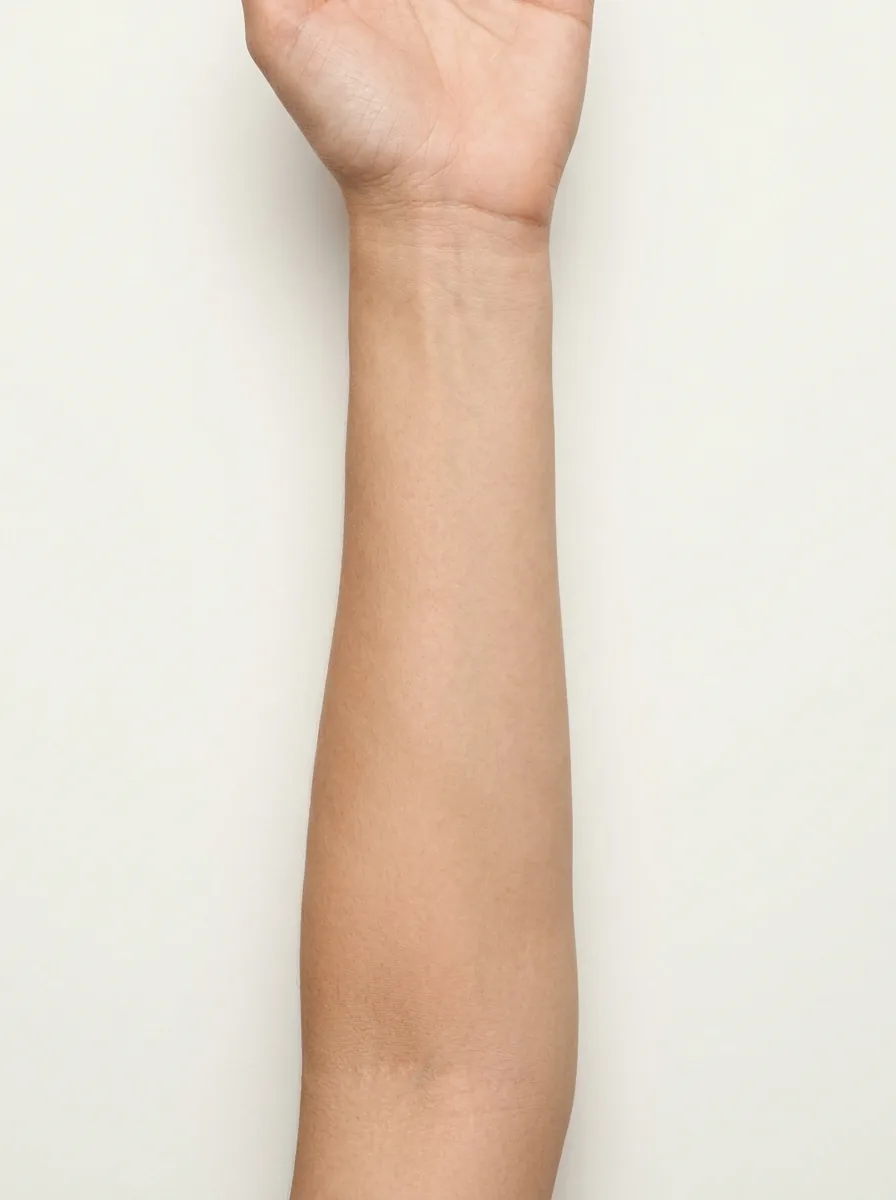
Forearm · vertical
Drag the kanji to move it.
This sits comfortably on a typical forearm.
The classic spot — a vertical column of kanji follows the arm naturally.
Mistakes are permanent — the check is free.
Most Natural Choice
James is a long, consonant-heavy male name with no native Japanese counterpart, so katakana (ジェームズ, or the shorter ジェムス) is the linguistically correct default and what Japanese people will actually use. Any kanji form is ateji — a respectful approximation, not a translation. If you want kanji anyway, the cleanest sound mapping collapses 'Jēmuzu' to three syllables Ji-mu-su; 治夢須 reads most naturally because 治 and 夢 are real given-name kanji, while 慈武主 is the easiest to render at small sizes. Many people choose to pair a katakana ジェームズ with a single meaning-kanji they admire rather than forcing all of James into ateji.
慈武須
Reads roughly 'compassion, valor, necessity' and approximates the James sound through ジ-ム-ス (Ji-mu-su). It pairs the warm 慈 (compassion) with the strong 武 (martial), giving a balanced 'gentle yet brave' impression. Because all three are real, recognizable kanji, a native reader will register meaning first and only then realize it is a phonetic spelling of a foreign name.
The meaning combination (compassion + valor) is genuinely flattering and the characters are all standard. The drawback is weight: at 33 strokes across three characters it gets dense at small sizes, and 須 is more of a place-name 'su' than a personal-name one, so it reads slightly constructed rather than like a real Japanese given name.
治夢須
Reads as 'govern / heal — dream — necessity,' i.e. 'one who pursues a dream of order.' 治 is a very common given-name kanji (as in the era name Meiji 明治), and 夢 (dream) is a popular, positive character, so the middle of the name feels natural. The ji-mu-su mapping is clean and the meaning is aspirational.
治 and 夢 are both warm, widely used name kanji, which lifts the overall impression. Same 33-stroke density caveat as 慈武須, and the trailing 須 keeps it from reading as a fully authentic Japanese name — but the dream/peace meaning is appealing and safe.
慈武主
A lighter variant of 慈武須 that swaps the heavy 須 for 主 (master, lord), read 'su' here. The sense becomes 'compassionate, valiant master' — a strong, dignified reading. At 26 total strokes it is noticeably cleaner to render than the two 33-stroke options while keeping the same ji-mu-su sound.
Best legibility of the three (26 strokes) and a commanding meaning. However, 主 read as 'su' is a less common name usage and can also be read 'shu,' so a native reader may hesitate on the final syllable. The meaning is strong, but the phonetic mapping is the least obvious of the three.
Font Style Preview
See how each ateji looks in different Japanese font styles.
| Font | 慈武須 | 治夢須 | 慈武主 |
|---|---|---|---|
| Serif | 慈武須 | 治夢須 | 慈武主 |
| Sans | 慈武須 | 治夢須 | 慈武主 |
| Yuji Mai | 慈武須 | 治夢須 | 慈武主 |
| Yuji Syuku | 慈武須 | 治夢須 | 慈武主 |
| Kouzan Syodou | 慈武須 | 治夢須 | 慈武主 |
| Tamanegi Geki | 慈武須 | 治夢須 | 慈武主 |
Ateji to Avoid
邪 reads 'ja' and is a tempting match for the 'Ja/Je' opening of James, but it means 'evil, wicked, wrong' (as in 邪悪, jaaku). On skin it reads as 'evil' first and foremost — never use it for this name.
蛇 also reads 'ja' (as in 蛇, hebi/ja = snake) and is sometimes grabbed for the James 'Ja' sound. It literally means 'snake/serpent' and carries a sly, sneaky connotation in idioms — a bad accidental meaning for a tattoo.
務 (duty, service) is a legitimate 'mu' kanji, but it reads as a bureaucratic 'obligation/task' and can make the middle of the name feel like 'office work.' It is not wrong phonetically, but it dulls the impression compared with 武 (valor) or 夢 (dream).
Before You Ink
James is ateji, not a real Japanese name
Unlike a few lucky names (e.g. Sara → 沙羅), James has no established Japanese-name equivalent, so every kanji version is a sound-based approximation. Japanese speakers will read and write it as ジェームズ in katakana. Choose kanji for personal meaning, and steer clear of 'ja' traps like 邪 (evil) and 蛇 (snake).
Build my kanji with AI →Frequently Asked Questions
Your name is yours — make sure the kanji are too
Ateji is a personal choice. Our AI proposes options based on the nuance you want, checks each character against the human-name kanji list, and explains the trade-offs in plain English.
Start my free kanji →