Matthew in Kanji
Matthew in Japanese kanji: 3 tattoo-ready ateji candidates rated by meaning, stroke count, and how they read to native eyes. The cleanest-sounding pick isn't the safest — see why before you ink.
At a Glance
| Kanji | Reading | Strokes | Tattoo |
|---|---|---|---|
| 真守 | Mashu | 16 | good |
| 麻秀 | Mashu | 18 | good |
| 摩珠 | Mashu | 25 | fair |
Get AI-built ateji for “Matthew” in seconds — options matched to the nuance you want.
See your name in kanji free →See it on your body
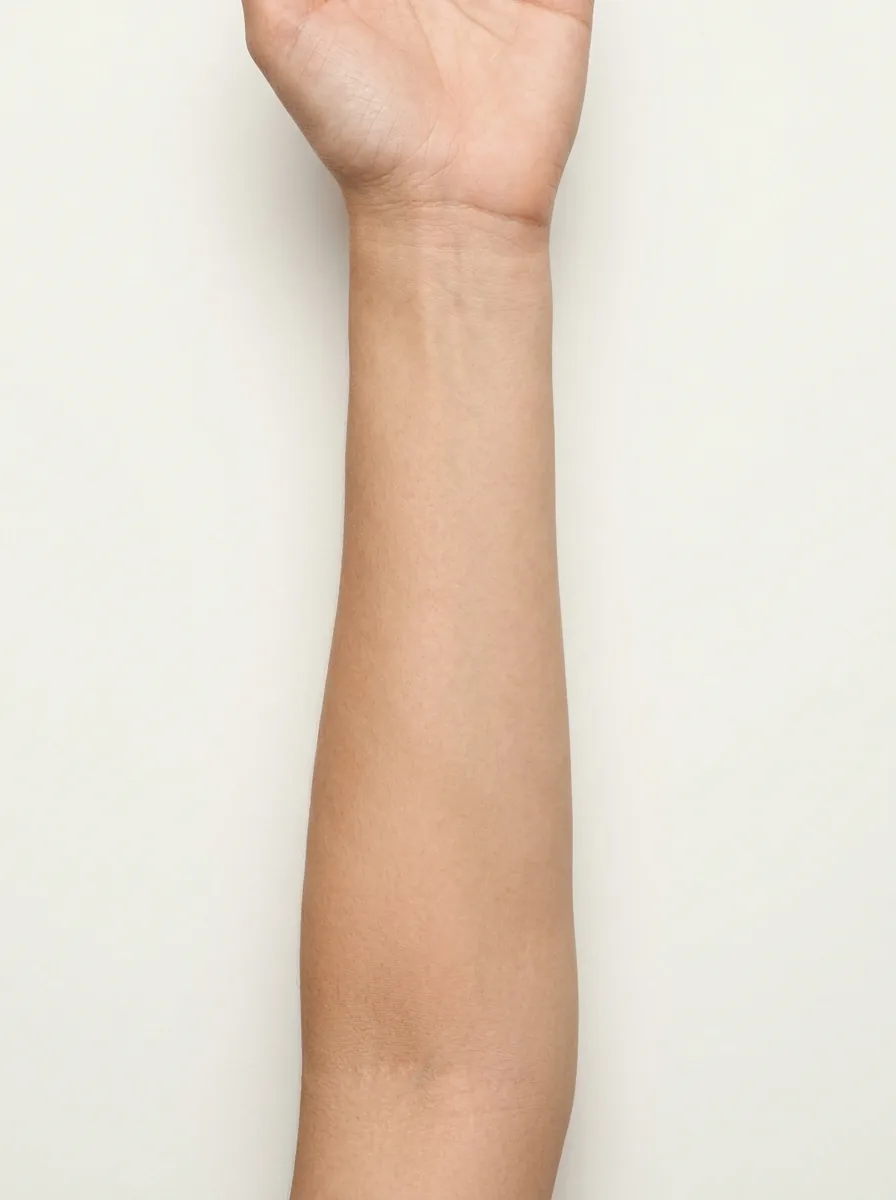
Forearm · vertical
Drag the kanji to move it.
This sits comfortably on a typical forearm.
The classic spot — a vertical column of kanji follows the arm naturally.
Mistakes are permanent — the check is free.
Most Natural Choice
For a name like Matthew, katakana (マシュー) is the correct and unambiguous default — it is how the name is actually written in Japan and what any Japanese reader expects for a foreign name. Kanji for Matthew is always ateji (sound-based), not a real Japanese name, so it should be chosen for meaning and aesthetics with eyes open. Note that the English 'th' has no Japanese equivalent and is rendered as 'sh' (シュ), so Matthew becomes Ma-shu(-) rather than anything with a 'th' sound — this is unavoidable and not a mistake. Among the ateji, 真守 ('true protector') gives the strongest masculine meaning, while 摩珠 gives the cleanest phonetics.
真守
Reads as 'true guardian' or 'sincere protector.' 真 carries the sense of authenticity and truth, while 守 evokes protection and steadfastness. Together they suggest someone who genuinely protects what matters — a strong, masculine reading that happens to phonetically track Ma-shu cleanly.
Both 真 (ma) and 守 (shu) are real, common on'yomi readings, so the Ma-shu sound is honest rather than forced. The meaning 'true protector' is dignified and the 16-stroke total is moderate. It does not correspond to a standard Japanese given name, so a native reader will recognize it as a name-style ateji rather than a familiar name — but the meaning carries it well.
麻秀
Reads as 'excellent hemp' literally, but 麻 is a very common 'ma' kanji in real Japanese names (it appears in many names like Asami) and 秀 is a classic 'excellence' character used in male names such as Hideki. The pairing leans on two genuine name-kanji, giving an elegant Ma-shu with a nuance of refined distinction.
麻 and 秀 are both jinmeiyō (name-use) kanji and read ma / shu naturally, so the phonetics are solid. 秀 has a strongly positive 'excellence' meaning common in men's names. The slight catch is that 麻 alone literally means 'hemp,' so the literal gloss is plainer than the sound suggests — but as an ateji it reads cleanly as a name.
摩珠
Reads as 'polished pearl' — 摩 means to rub or polish and 珠 means pearl or gem, so the combination evokes a gem refined by polishing. 摩 is the standard kanji used to transliterate the 'ma' sound in Buddhist terms, making it a phonetically authoritative choice, and 珠 (shu) gives a lustrous, valued nuance.
Phonetically the cleanest of the three — 摩 (ma) and 珠 (shu) are both textbook on'yomi readings. The 'polished pearl' image is attractive. However, the 25-stroke total is the heaviest here and 摩 is visually dense, so at small or fine-line tattoo sizes the strokes can blur together. Best reserved for larger placements.
Font Style Preview
See how each ateji looks in different Japanese font styles.
| Font | 真守 | 麻秀 | 摩珠 |
|---|---|---|---|
| Serif | 真守 | 麻秀 | 摩珠 |
| Sans | 真守 | 麻秀 | 摩珠 |
| Yuji Mai | 真守 | 麻秀 | 摩珠 |
| Yuji Syuku | 真守 | 麻秀 | 摩珠 |
| Kouzan Syodou | 真守 | 麻秀 | 摩珠 |
| Tamanegi Geki | 真守 | 麻秀 | 摩珠 |
Ateji to Avoid
魔 also reads 'ma' and is sometimes grabbed for the 'ma' sound, but it means 'demon, evil spirit, devil.' On a tattoo it would read as 'demon' — a serious accidental meaning. Never use 魔 for Matthew.
Because the English 'th' collapses to 'sh,' some auto-converters mishandle the syllables and a careless tool can land on 死 (shi, 'death') for the second sound. 死 means 'death' and must never appear in a name tattoo.
馬 (uma/ma, 'horse') plus 主 (shu, 'master') reads as Ma-shu but literally means 'horse owner' — 馬主 (banushi) is an actual Japanese word for a racehorse owner. It reads as a common noun, not a name, so it would look like a label rather than a person.
Before You Ink
Matthew is normally katakana — kanji is always ateji
Unlike a few Western names that overlap with real Japanese names, Matthew (マシュー) has no native Japanese counterpart, so any kanji version is sound-based ateji. The 'th' sound does not exist in Japanese and becomes 'sh,' so the name is heard as Ma-shu(-). Choose kanji for meaning, and avoid 'ma' homophones like 魔 (demon) and 'shu' traps that drift toward 死 (death).
Build my kanji with AI →Frequently Asked Questions
Your name is yours — make sure the kanji are too
Ateji is a personal choice. Our AI proposes options based on the nuance you want, checks each character against the human-name kanji list, and explains the trade-offs in plain English.
Start my free kanji →