Andrew in Kanji
Andrew (アンドリュー) in kanji uses sound-based ateji. Compare 安土流, 安努流, and 安度竜 for stroke counts, meanings, and tattoo suitability — plus why katakana is the safe default.
At a Glance
| Kanji | Reading | Strokes | Tattoo |
|---|---|---|---|
| 安土流 | Andoryū | 19 | good |
| 安努流 | Andoryū | 23 | good |
| 安度竜 | Andoryū | 25 | fair |
Get AI-built ateji for “Andrew” in seconds — options matched to the nuance you want.
See your name in kanji free →See it on your body
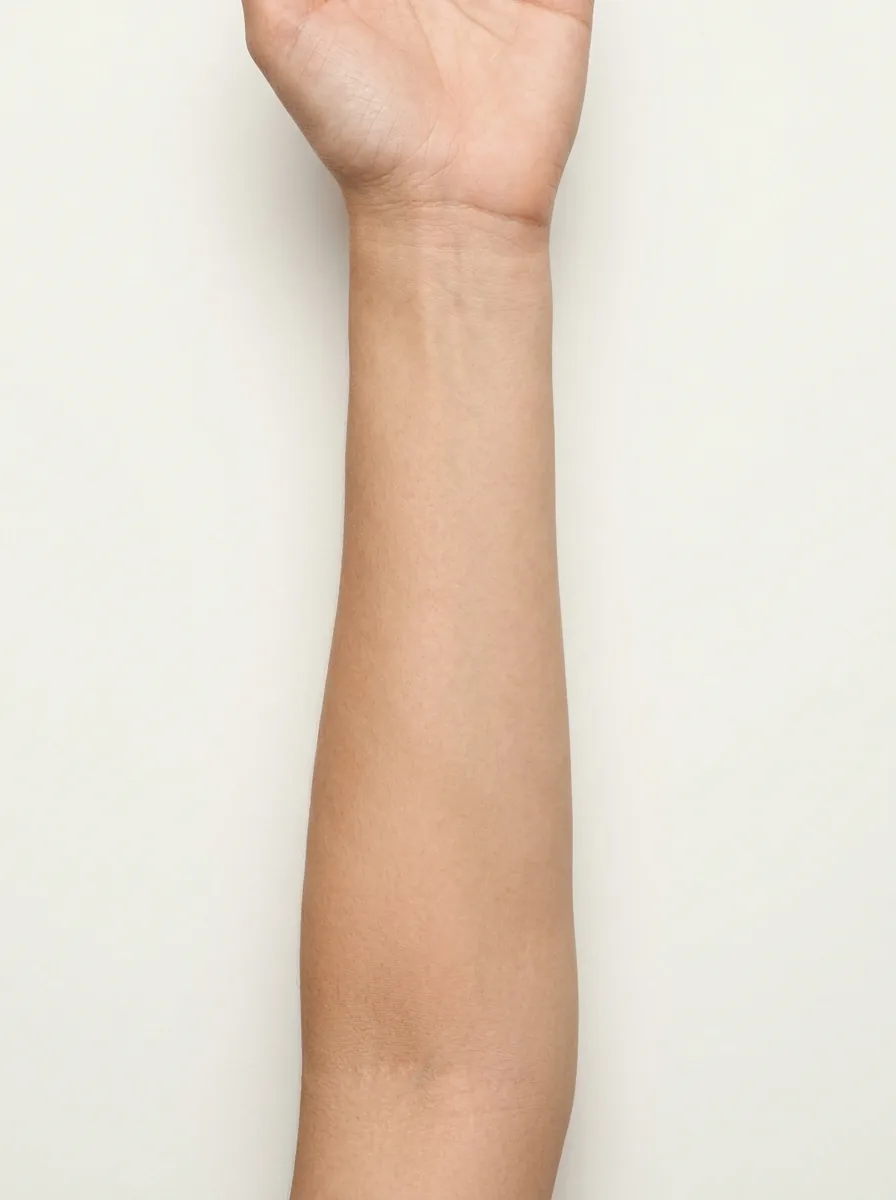
Forearm · vertical
Drag the kanji to move it.
This sits comfortably on a typical forearm.
The classic spot — a vertical column of kanji follows the arm naturally.
Mistakes are permanent — the check is free.
Most Natural Choice
Andrew has no natural Japanese-name counterpart, so all kanji forms are constructed ateji based on the sound アンドリュー (An-do-ryū). The most common real-world approach is simply katakana: アンドリュー is the standard, instantly-readable transcription used in Japan. If you want kanji, lead with the 'an / do / ryū' on'yomi chain: 安 is the natural choice for 'an,' 努 (strive) or 土 (earth) for 'do,' and 流 (flow/style) or 竜 (dragon) for 'ryū.' Pick 努 for the most flattering meaning ('effort'), 竜 for the boldest visual, and accept that any of these reads as a foreign name spelled in kanji rather than as a native Japanese name.
安土流
Reads roughly as 'peaceful-earth current/style.' The on'yomi chain 安(an)・土(do)・流(ryū) tracks the syllables An-do-ryū cleanly. 流 carries the nuance of a 'school' or 'style' (as in 一刀流), giving a faintly martial, disciplined feel that nods to Andrew's 'manly/brave' root without distorting the sound. Note that 安土 also coincidentally matches the place-name Azuchi (安土城), so a Japanese reader may register a castle-era echo.
Each character reads with a standard on'yomi (an / do / ryū), so the phonetics hold up under scrutiny. At 19 strokes (6 + 3 + 10) it is the lightest of the three and balances well visually. The main caveat: this is a constructed ateji, not a real Japanese given name, so it reads as 'foreign name written in kanji' rather than as a native name.
安努流
Reads as 'peace–effort–flow.' 努 (do, 'to strive') is the most meaning-flattering 'do' kanji here: it carries the sense of diligent effort and perseverance, which pairs naturally with Andrew's 'manly/brave' etymology. The on'yomi 安(an)・努(do)・流(ryū) is phonetically faithful to An-do-ryū.
The cleanest meaning of the three — 'peace, effort, flow' is a coherent, positive reading and 努 genuinely reads 'do' (cf. 努力 doryoku). At 23 strokes (6 + 7 + 10) it is moderate in density. Like the others it is an ateji rather than an established name, so it will read as a foreign name rendered in characters, which is expected and acceptable for a tattoo as long as you know that.
安度竜
Reads as 'peace–degree–dragon.' 竜 (ryū, 'dragon') is a popular, visually striking kanji in Japanese male names and gives this option the strongest masculine, bold flavor — a fitting echo of Andrew's 'manly/brave' sense. 度 supplies a clean on'yomi 'do.' The chain 安(an)・度(do)・竜(ryū) reads An-do-ryū.
竜 (dragon) is a genuinely attractive, masculine character and the phonetics are sound (an / do / ryū). However 度 in the middle reads more like a counter/abstract noun ('degree') and breaks the flow as a name, so the three characters do not cohere into a natural-looking given name. At 25 strokes (6 + 9 + 10) it is the densest option. Choose this only if the dragon character is the priority.
Font Style Preview
See how each ateji looks in different Japanese font styles.
| Font | 安土流 | 安努流 | 安度竜 |
|---|---|---|---|
| Serif | 安土流 | 安努流 | 安度竜 |
| Sans | 安土流 | 安努流 | 安度竜 |
| Yuji Mai | 安土流 | 安努流 | 安度竜 |
| Yuji Syuku | 安土流 | 安努流 | 安度竜 |
| Kouzan Syodou | 安土流 | 安努流 | 安度竜 |
| Tamanegi Geki | 安土流 | 安努流 | 安度竜 |
Ateji to Avoid
暗 also reads 'an' but means 'dark, gloomy, dim.' It is a tempting 'an' kanji, but as the first character of a name it casts a negative tone ('darkness'). Avoid it for the An- syllable; use 安 (peace) instead.
怒 reads 'do' (as in 怒号 dogō) and is sometimes grabbed for the 'do' sound, but it means 'anger, rage.' On a permanent tattoo it would read as 'anger' sitting in the middle of your name — strictly avoid.
Do not chase a single-kanji or exotic rendering for the 'ryū' sound just because it looks unusual. Rare or off-list characters (e.g. obscure 'ryū/ru' kanji) can carry unintended meanings like 'lump/tumor' (瘤) and will baffle native readers. Stick to common, name-appropriate kanji such as 流 or 竜.
Before You Ink
Andrew is a katakana name by default
Unlike Sarah, Andrew has no established Japanese given-name equivalent, so kanji forms are phonetic ateji rather than real names. In Japan, Andrew is written アンドリュー in katakana virtually every time — that is the unambiguous, correct form. Kanji is an aesthetic choice for a tattoo: choose characters that read the syllables an-do-ryū with standard on'yomi (安・努・流 etc.), and avoid traps like 暗 (dark) or 怒 (anger) that share the sounds but carry bad meanings.
Build my kanji with AI →Frequently Asked Questions
Your name is yours — make sure the kanji are too
Ateji is a personal choice. Our AI proposes options based on the nuance you want, checks each character against the human-name kanji list, and explains the trade-offs in plain English.
Start my free kanji →