Jennifer in Kanji
Jennifer (ジェニファー) in kanji uses ateji — phonetic characters for sound. Compare 寿仁花, 樹仁華, and 寿仁 with stroke counts, meanings, and tattoo suitability.
At a Glance
| Kanji | Reading | Strokes | Tattoo |
|---|---|---|---|
| 寿仁花 | Junika | 18 | good |
| 樹仁華 | Junika | 30 | good |
| 寿仁 | Juni | 11 | excellent |
Get AI-built ateji for “Jennifer” in seconds — options matched to the nuance you want.
See your name in kanji free →See it on your body
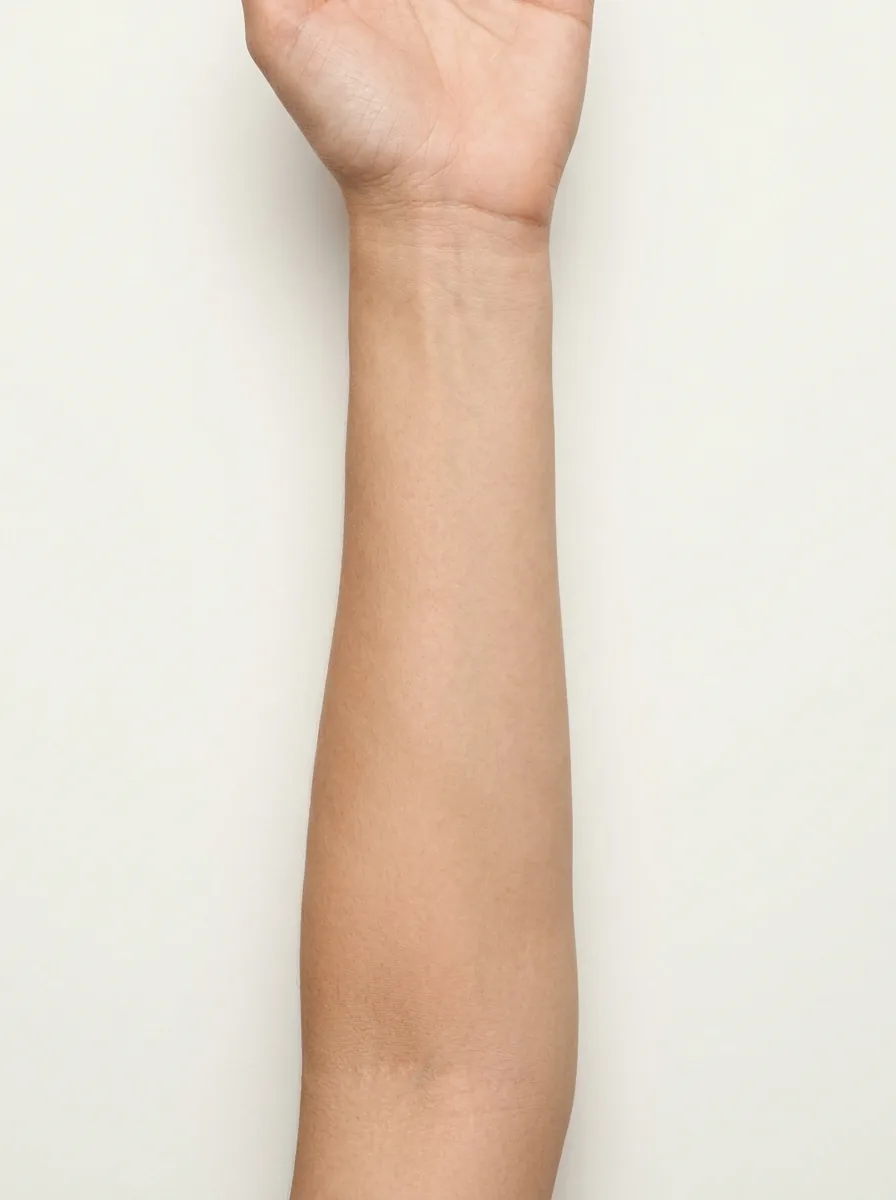
Forearm · vertical
Drag the kanji to move it.
This sits comfortably on a typical forearm.
The classic spot — a vertical column of kanji follows the arm naturally.
Mistakes are permanent — the check is free.
Most Natural Choice
Jennifer is one of the harder Western names to render in kanji because 'Jenifā' has no natural Japanese counterpart — neither 'je' nor 'fer' map cleanly to kanji. The default rendering is overwhelmingly カタカナ (ジェニファー). For kanji, the most authentic approach is to compromise on phonetics: 寿仁花 (Junika) captures three syllables in real-name style, 寿仁 (Juni) drops more sound but reads cleanest. Forced 4-character spellings that try to capture 'je-ni-fa' literally tend to use bad kanji (邪, 蛇, 蝿) and should be avoided.
寿仁花
Reads as 'longevity, benevolence, flower' — an auspicious and feminine combination. Captures the 'Juni-ka' sound (a compromise on Jennifer's 'fer' ending). Each character is well-established in Japanese names: 寿 in Kotobuki, 仁 in Jinko, 花 in Hanako.
Low stroke count (18 total) and excellent legibility. All three characters are jinmeiyō-approved and read instantly as feminine. The compromise: it covers 'Junika,' not 'Jenifā' — the 'fer' ending is dropped. For a tattoo this is the most authentic ateji approach because the result reads as a real Japanese girl's name.
樹仁華
Reads as 'tree, benevolence, splendor' — a more literary and grand combination. 華 carries a classical, slightly more elegant flower-nuance than 花. The pattern 樹 + 華 is seen in upmarket modern Japanese girls' names.
More literary and visually richer than 寿仁花. 30 strokes is moderate — 樹 and 華 are both detail-heavy so size up for fine-line work. Best if you want a name with a classical, elegant feel rather than the auspicious-celebratory tone of 寿仁花.
寿仁
A shortened 2-character form covering only 'Juni' (the first half of Jennifer's compromised reading). Reads as 'longevity and benevolence' — a tasteful, slightly classical Japanese-style name pattern. Drops more of the original sound but reads cleanly.
Cleanest of the three options at 11 strokes — exceptional legibility even at small sizes. Both characters are extremely common in real Japanese names. The honest tradeoff is severe phonetic loss (drops 'fer' entirely), but the result reads as a real Japanese name rather than a constructed foreign ateji.
Font Style Preview
See how each ateji looks in different Japanese font styles.
| Font | 寿仁花 | 樹仁華 | 寿仁 |
|---|---|---|---|
| Serif | 寿仁花 | 樹仁華 | 寿仁 |
| Sans | 寿仁花 | 樹仁華 | 寿仁 |
| Yuji Mai | 寿仁花 | 樹仁華 | 寿仁 |
| Yuji Syuku | 寿仁花 | 樹仁華 | 寿仁 |
| Kouzan Syodou | 寿仁花 | 樹仁華 | 寿仁 |
| Tamanegi Geki | 寿仁花 | 樹仁華 | 寿仁 |
Ateji to Avoid
A literal 3-character phonetic attempt for 'Je-ni-fā' using 邪 (evil), 二 (two), 腐 (rotten). Each kanji is grammatically valid for its sound but the literal reading 'evil two rotten' is openly negative. Avoid any spelling that uses 邪, 腐, or 蝿 for sound matching.
Uses 蛇 (snake) for the 'ja/je' sound. 蛇 reads literally as 'snake' before any phonetic intent is recognized, producing a tattoo that means 'snake of benevolence and splendor' to a native viewer. Strictly avoid.
A forced 4-character spelling that adds 亜 (subordinate) for the 'fā' ending. 亜 is grammatically valid in names but the 4-character length looks visually unbalanced as a tattoo, and 亜 carries a 'second-rate' literal nuance that drags down the rest of the name.
Before You Ink
Jennifer has no clean full-phonetic form
'Je' only maps to negative kanji (邪, 蛇) and 'fa' has no native Japanese sound. The best path is a real-name compromise like 寿仁花 (Junika) that captures the spirit, not every syllable.
Build my kanji with AI →Frequently Asked Questions
Your name is yours — make sure the kanji are too
Ateji is a personal choice. Our AI proposes options based on the nuance you want, checks each character against the human-name kanji list, and explains the trade-offs in plain English.
Start my free kanji →