Jessica in Kanji
Jessica (ジェシカ) in kanji uses ateji — phonetic characters for sound. Compare candidates like 樹詩花 and 寿詩香 with stroke counts, meanings, and tattoo suitability.
At a Glance
| Kanji | Reading | Strokes | Tattoo |
|---|---|---|---|
| 樹詩花 | Jushika | 36 | good |
| 寿詩香 | Jushika | 29 | good |
| 詩香 | Shika | 22 | excellent |
Get AI-built ateji for “Jessica” in seconds — options matched to the nuance you want.
See your name in kanji free →See it on your body
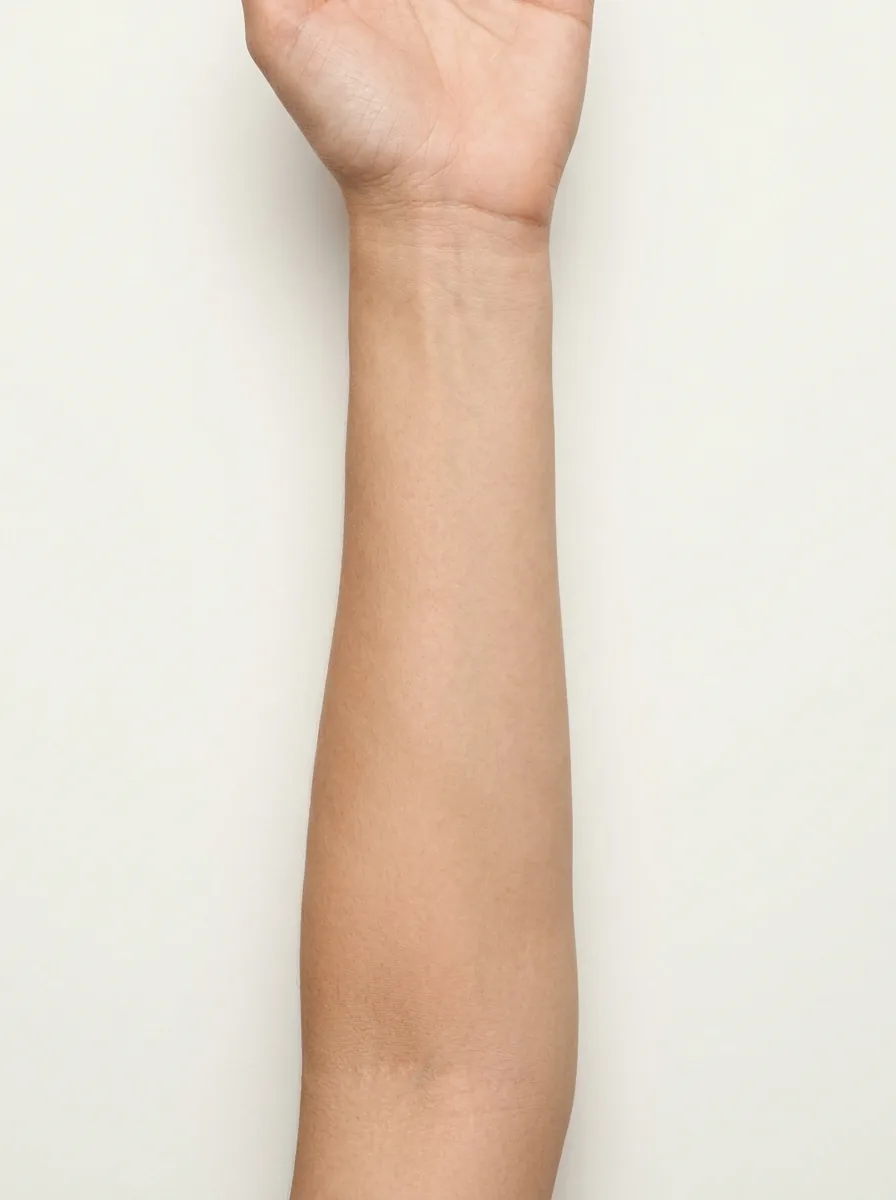
Forearm · vertical
Drag the kanji to move it.
This sits comfortably on a typical forearm.
The classic spot — a vertical column of kanji follows the arm naturally.
Mistakes are permanent — the check is free.
Most Natural Choice
Jessica's 'Je-shi-ka' sound has no natural overlap with any Japanese name, and the default rendering in Japan is カタカナ (ジェシカ). For kanji, the cleanest authentic option is to drop the 'Je' syllable and use 詩香 (Shika), a real Japanese girl's name. If you must capture all three syllables, 寿詩香 reads more elegantly than 樹詩花. Avoid forced 4-character spellings that try to spell out 'je-shi-ka' literally — they look constructed.
樹詩花
Reads as 'tree, poem, flower' — a literary, nature-rich combination evoking poetry written in a forest of blossoms. The 'Jushika' reading is close to Jessica's Japanese pronunciation (ジェシカ) but slightly soft; the literal meaning is unambiguously feminine and elegant.
樹 + 詩 + 花 patterns appear in real Japanese girls' names (e.g., 詩花 Shika, 樹里 Juri); 樹詩花 itself is a constructed ateji but each pair is documented.
All three characters are jinmeiyō-approved and visually feminine. The 36-stroke total is heavy — at small sizes 樹 and 詩 will compress detail, so size up. The literal meaning ('tree poem flower') reads as poetic rather than absurd, which is the bar for a 3-character ateji.
寿詩香
Translates to 'longevity, poem, fragrance' — an auspicious combination blending traditional well-wishes (寿) with literary and sensory imagery. 寿 and 香 are both common in Japanese female names and lend a slightly classical air.
Lower stroke count than 樹詩花 (29 vs 36) gives cleaner small-scale legibility. All three characters are well-established in real female-name use (寿 in Kotobuki, 香 in Kaori). The 'Jushika' reading captures Jessica reasonably; the classical-celebratory tone may feel formal.
詩香
A shortened 2-character form covering 'shika' (the second half of Jessica). Reads as 'poetic fragrance' — softly feminine and a real Japanese name pattern. Drops the 'Je' syllable entirely in exchange for a name that reads as authentically Japanese.
詩香 (Shika) is a documented modern Japanese female given name. The pattern 詩 + 香 is also seen in names like Shiori (詩織).
詩香 (Shika) is documented as a real Japanese female first name. By dropping the 'Je' syllable, you get a clean, instantly-readable Japanese name rather than a forced foreign ateji. The honest tradeoff: phonetic incompleteness in exchange for cultural authenticity — best for tattoos.
Font Style Preview
See how each ateji looks in different Japanese font styles.
| Font | 樹詩花 | 寿詩香 | 詩香 |
|---|---|---|---|
| Serif | 樹詩花 | 寿詩香 | 詩香 |
| Sans | 樹詩花 | 寿詩香 | 詩香 |
| Yuji Mai | 樹詩花 | 寿詩香 | 詩香 |
| Yuji Syuku | 樹詩花 | 寿詩香 | 詩香 |
| Kouzan Syodou | 樹詩花 | 寿詩香 | 詩香 |
| Tamanegi Geki | 樹詩花 | 寿詩香 | 詩香 |
Ateji to Avoid
邪 reads 'ja' and is sometimes proposed for the 'je' sound, but 邪 means 'evil' or 'wicked' (as in 邪悪). Leading a name with 邪 produces a tattoo that reads 'evil poem fragrance' to any native viewer — a textbook ateji disaster.
蛇 reads 'ja' (snake) and is also sometimes suggested phonetically. While snake imagery has positive connotations in some Eastern traditions, 蛇 is overwhelmingly read literally as 'snake' on a name tattoo, not phonetically. Strictly avoid.
鹿 reads 'shika' (deer) as a single character and is sometimes suggested for Jessica's '-shika' ending. 鹿 is an animal kanji and reads literally as 'deer,' not as a name. Use 詩香 instead if you want the 'shika' reading to capture both phonetics and femininity.
Before You Ink
Drop the 'je' for an authentic Jessica
'Je' has no natural kanji, but the 'shika' ending overlaps the real name 詩香 — so dropping the first syllable reads most authentically. Avoid 邪 (evil) or 鹿 (deer).
Build my kanji with AI →Frequently Asked Questions
Your name is yours — make sure the kanji are too
Ateji is a personal choice. Our AI proposes options based on the nuance you want, checks each character against the human-name kanji list, and explains the trade-offs in plain English.
Start my free kanji →