
Kanji for LoveMeanings & Tattoo Guide
愛 and 恋 both mean "love" — but one of them is about longing and heartbreak, not the love you want inked forever. See which of the 4 love kanji truly matches yours.
At a Glance
| Kanji | Meaning | Reading | Strokes | Tattoo |
|---|---|---|---|---|
| 愛 | Love, affection, devotion | ai | 13 | excellent |
| 恋 | Romantic love, longing, yearning | koi | 10 | good |
| 慈 | Compassionate love, mercy, tender affection | itsukushimi | 13 | excellent |
| 情 | Emotion, heartfelt affection, sympathy | jou | 11 | good |
Not sure which one fits your meaning? “Love” can translate differently depending on context.
Check your kanji for free →See it on your body
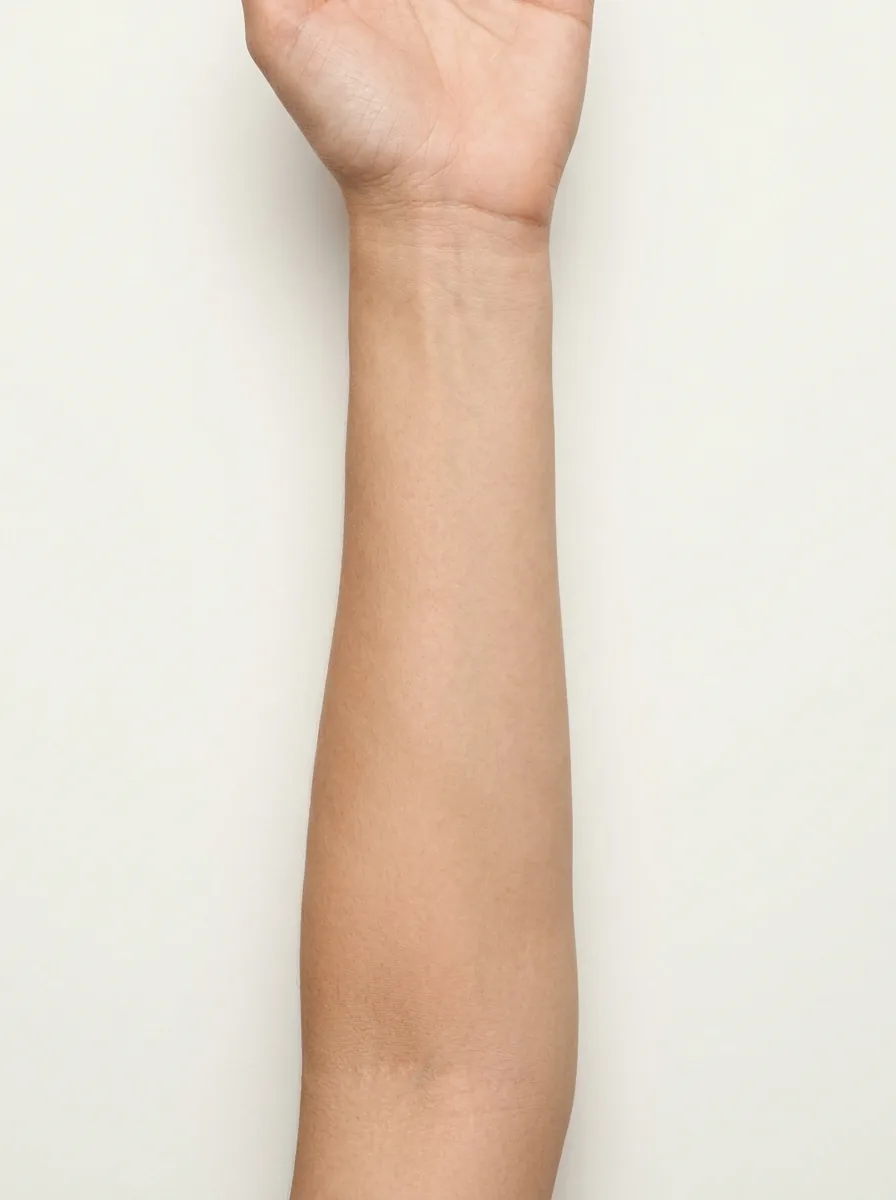
Forearm · vertical
Drag the kanji to move it.
This sits comfortably on a typical forearm.
The classic spot — a vertical column of kanji follows the arm naturally.
Mistakes are permanent — the check is free.
愛 — Love, affection, devotion
愛 is the universal kanji for love in Japanese, encompassing every form — romantic, familial, platonic, and spiritual. The character contains 心 (heart) at its center, surrounded by elements suggesting care walking slowly toward another. Historically imported from Chinese, 愛 became deeply naturalized in Japanese thought and is used in everything from Buddhist compassion (慈愛) to patriotism (愛国) to everyday affection.
Extremely common across all registers. Found in 愛情 (aijou — affection), 愛する (ai suru — to love), 愛犬 (aiken — beloved dog), 恋愛 (renai — romantic love), and 愛国心 (aikokushin — patriotism). Used casually, formally, and in literary contexts alike.
The most recognizable and culturally safe kanji for love. Its 13 strokes create a visually rich character that looks beautiful in almost any font — from clean modern sans-serif to traditional brush calligraphy. Universally understood meaning with no ambiguity.
恋 — Romantic love, longing, yearning
恋 represents romantic love specifically — the butterflies-in-the-stomach feeling of being in love with a particular person. Unlike 愛, which can mean any kind of love, 恋 is almost exclusively reserved for romantic passion and longing. Classical Japanese poetry (waka, haiku) is filled with this character, often describing the bittersweet ache of unrequited love or separation. The character contains 心 (heart) below, emphasizing its emotional nature.
Common in love songs, dramas, novels, and romantic contexts. Found in 恋人 (koibito — lover/boyfriend/girlfriend), 初恋 (hatsukoi — first love), 失恋 (shitsuren — broken heart), and 恋心 (koigokoro — feelings of love). Rarely used outside of romantic meaning.
A beautiful, specifically romantic choice — ideal for couple tattoos or to commemorate a romantic relationship. The 10 strokes are elegant and legible at most sizes. Be aware that 恋 carries a strong romantic-love-only connotation, so it's less appropriate for family or general affection themes.
慈 — Compassionate love, mercy, tender affection
慈 represents the deepest, most selfless form of love — the unconditional compassion a parent feels for a child, or the mercy of a Buddhist deity for all living beings. In Buddhism, 慈悲 (jihi — mercy and compassion) is one of the core virtues, and 慈 is directly connected to the bodhisattva ideal of loving all sentient beings. The character contains 心 (heart) at its base, supporting 茲 (this/here) — love grounded in presence and care.
Used in literary, religious, and formal contexts. Found in 慈愛 (jiai — deep affection), 慈悲 (jihi — mercy), 慈善 (jizen — charity), and 慈母 (jibo — loving mother). Less common in casual conversation, giving it a weighty, spiritual tone.
A profound, sophisticated choice that conveys spiritual and unconditional love. Less commonly seen as a tattoo than 愛, making it distinctive. The 13 strokes create visual depth that works beautifully in brush calligraphy. Ideal for those drawn to Buddhist or philosophical concepts of love.
情 — Emotion, heartfelt affection, sympathy
情 represents love as emotion and human feeling — the warmth between people connected by bonds of sympathy and mutual care. It's less about romantic passion (恋) or devotion (愛), and more about the tender emotional connection we have with others. The character combines 忄 (heart radical) with 青 (fresh/young), suggesting pure, heartfelt feeling. In Japanese culture, 人情 (ninjou — human kindness) is considered one of the highest virtues.
Very common in words describing emotions and relationships. Found in 愛情 (aijou — affection), 友情 (yuujou — friendship), 人情 (ninjou — human warmth), 情熱 (jounetsu — passion), and 同情 (doujou — sympathy). Appears frequently in literature and everyday speech.
A thoughtful, nuanced choice that emphasizes love as emotional connection rather than passion or commitment. The 11 strokes offer good visual balance. Works well for those who value friendship, loyalty, and heartfelt bonds as much as romantic love.
Font Style Preview
See how each kanji looks in different Japanese font styles.
| Font | 愛 | 恋 | 慈 | 情 |
|---|---|---|---|---|
| Serif | 愛 | 恋 | 慈 | 情 |
| Sans | 愛 | 恋 | 慈 | 情 |
| Yuji Mai | 愛 | 恋 | 慈 | 情 |
| Yuji Syuku | 愛 | 恋 | 慈 | 情 |
| Kouzan Syodou | 愛 | 恋 | 慈 | 情 |
| Tamanegi Geki | 愛 | 恋 | 慈 | 情 |
Common Mistakes to Avoid
好 means "to like" or "fondness," not love. It's commonly mistaken because 好き (suki) is often translated as "I love it" in casual English, but the actual strength is closer to "I like it." Using 好 as a love tattoo would feel weak and childish to a native Japanese reader.
愛人 looks like a pure "love + person" compound and some English-Japanese dictionaries translate it as "lover" — but in modern Japanese, 愛人 specifically means a mistress or extramarital partner, with clearly negative connotations. This is one of the most notorious kanji tattoo mistakes. Use 恋人 (koibito) for "sweetheart" or stick with 愛 alone.
Context-specific errors are harder to catch. The kanji for “romantic passion” vs “universal devotion” vs “compassionate affection” each require different characters. A wrong choice isn't always obvious until a native speaker sees it.
Verify your phrase with AI before you ink →Frequently Asked Questions
This page covers generic “love” — but your tattoo is personal
The right kanji depends on your exact phrase, intended nuance, and personal context. Our AI translates your specific meaning into authentic Japanese — with cultural verification and tattoo-ready exports.
Verify your kanji before you ink →