Kanji for FamilyMeanings & Tattoo Guide
"Family" in Japanese isn't one word. 家 means a house, 族 means a clan, and 絆 means an emotional bond. The kanji you pick says more about your family than you think.
At a Glance
| Kanji | Meaning | Reading | Strokes | Tattoo |
|---|---|---|---|---|
| 家 | House, home, family, household | ie | 10 | good |
| 族 | Family, tribe, clan, group | zoku | 11 | fair |
| 絆 | Bonds, ties, emotional connection | kizuna | 11 | excellent |
| 親 | Parent, intimacy, close relationship | oya | 16 | good |
Not sure which one fits your meaning? “Family” can translate differently depending on context.
Check your kanji for free →See it on your body
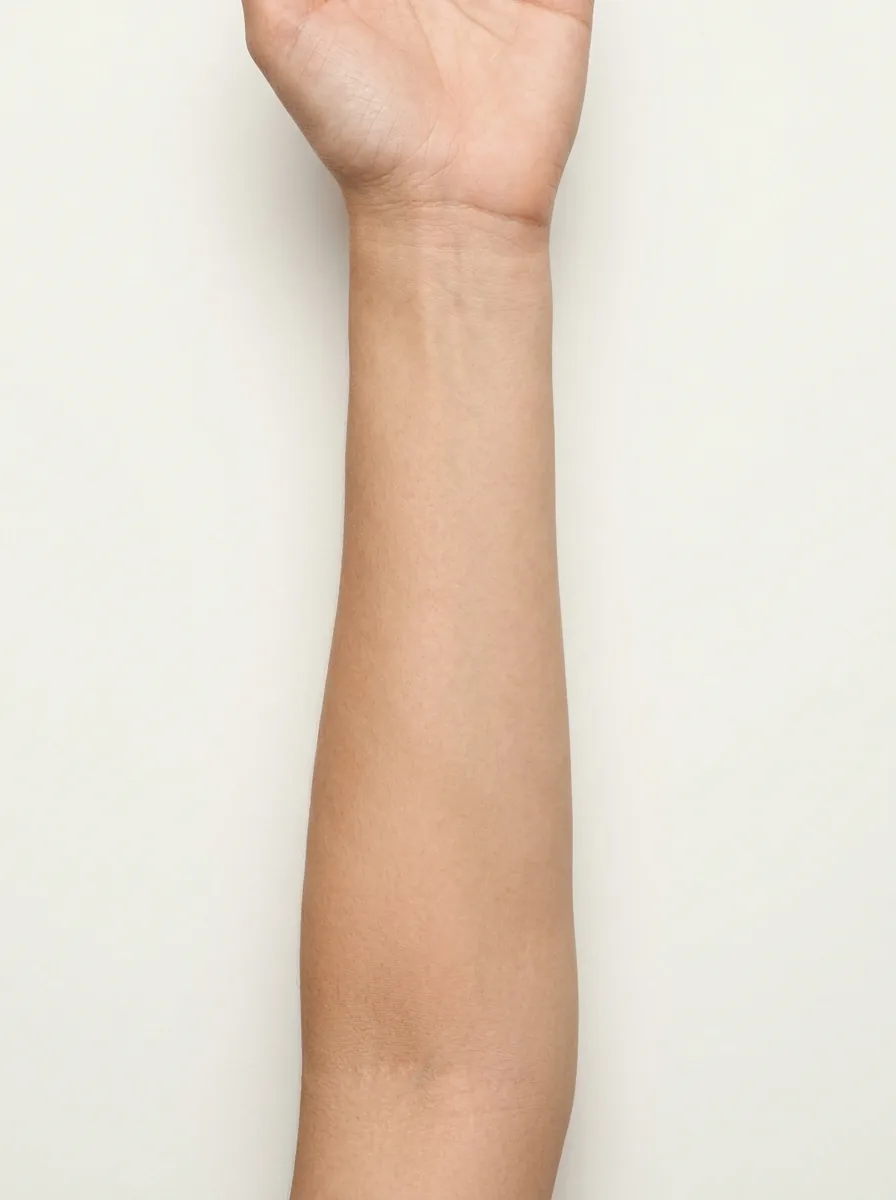
Forearm · vertical
Drag the kanji to move it.
This sits comfortably on a typical forearm.
The classic spot — a vertical column of kanji follows the arm naturally.
Mistakes are permanent — the check is free.
家 — House, home, family, household
家 is the foundational kanji for family in Japanese, meaning both the physical home and the family who lives in it. The character depicts 豕 (a pig) under a roof (宀) — historically, raising livestock under one roof was a mark of an established household. In traditional Japanese culture, the 家 (ie) system defined social structure for centuries, with extended families sharing not just a house but ancestral duties, traditions, and a family name.
Extremely common. Found in 家族 (kazoku — family), 家庭 (katei — household/home), 実家 (jikka — parents' home), 家主 (ienushi — landlord), and as a suffix meaning "expert" or "-ist" (e.g., 作家 sakka — writer). It is one of the first kanji learned by Japanese children.
A warm, universally understood kanji with strong emotional weight. The 10 strokes give it good visual presence without being overwhelming. Keep in mind that 家 alone reads more as "house" — pairing it with 族 to form 家族 makes "family" unambiguous.
族 — Family, tribe, clan, group
族 represents family as a collective group or clan — the broader sense of shared bloodline and belonging. The character historically depicts arrows gathered under a banner, suggesting a group of people united under a common identity. It's the second half of 家族 (kazoku — family) and is used to describe any group bound by shared origin, from immediate family to entire ethnic groups.
Common in compound words. Found in 家族 (kazoku — family), 民族 (minzoku — ethnic group), 親族 (shinzoku — relatives), 水族館 (suizokukan — aquarium, literally "water tribe hall"), and 貴族 (kizoku — nobility). Rarely used alone.
族 is rarely used alone in Japanese — it almost always appears in compounds. As a solo tattoo it reads more like "tribe" or "clan" than "family." For family-themed tattoos, most people prefer 家族 (as a two-character compound) or 絆. Only consider 族 alone if you specifically want "tribe" or "clan."
絆 — Bonds, ties, emotional connection
絆 represents the invisible emotional bonds that tie family, friends, and loved ones together. After the 2011 Tohoku earthquake and tsunami, 絆 became Japan's "kanji of the year" — a symbol of the enduring human connections that persist through tragedy. The character originally referred to the rope used to tether animals, but has evolved into a deeply poetic word for the ties between people that cannot be seen but cannot be broken.
Common in emotional, literary, and motivational contexts. Found in 家族の絆 (kazoku no kizuna — family bonds), 絆を結ぶ (kizuna wo musubu — to form bonds), and countless song titles, movie titles, and motivational phrases. Its prominence grew enormously after 2011.
One of the most meaningful kanji for family-themed tattoos. Unlike 家 or 族, 絆 captures the emotional essence of family — the unbreakable bonds — rather than the structural unit. The 11 strokes offer rich visual complexity. Highly recommended for commemorating the love between family members, siblings, or close friends.
親 — Parent, intimacy, close relationship
親 means parent, but its deeper meaning is closeness and intimacy — the bond between parent and child extended to any close relationship. The character is said to depict someone standing on a wooden platform, watching over a loved one — a parent keeping watch over their child. In Japanese culture, the parent-child bond (親子 oyako) is considered sacred and is often invoked in phrases about loyalty, responsibility, and love.
Extremely common. Found in 親 (oya — parent), 両親 (ryoushin — both parents), 親子 (oyako — parent and child), 親切 (shinsetsu — kindness, literally "cutting close"), and 親友 (shinyuu — close friend). Used in both family and friendship contexts.
A deeply meaningful character — especially for tattoos honoring parents or children. The 16 strokes make it visually impressive but require medium-to-large size for legibility. 親 also carries broader meanings of closeness, making it versatile for anyone you consider family.
Font Style Preview
See how each kanji looks in different Japanese font styles.
| Font | 家 | 族 | 絆 | 親 |
|---|---|---|---|---|
| Serif | 家 | 族 | 絆 | 親 |
| Sans | 家 | 族 | 絆 | 親 |
| Yuji Mai | 家 | 族 | 絆 | 親 |
| Yuji Syuku | 家 | 族 | 絆 | 親 |
| Kouzan Syodou | 家 | 族 | 絆 | 親 |
| Tamanegi Geki | 家 | 族 | 絆 | 親 |
Common Mistakes to Avoid
Many people tattoo 族 alone thinking it means "family." While 族 is half of 家族 (kazoku — family), on its own it reads more like "tribe" or "clan." For a family tattoo, use 家族 together or choose 絆 instead.
宅 means "residence" or "home," and is sometimes confused with 家. While both can refer to a house, 宅 is more formal and bureaucratic (used in addresses and forms). It carries none of the warmth or family connotations of 家, making it a poor tattoo choice for a family theme.
Context-specific errors are harder to catch. The kanji for “the household you live in” vs “the bloodline you belong to” vs “the unbreakable bond you feel” each require different characters. A wrong choice isn't always obvious until a native speaker sees it.
Verify your phrase with AI before you ink →Frequently Asked Questions
This page covers generic “family” — but your tattoo is personal
The right kanji depends on your exact phrase, intended nuance, and personal context. Our AI translates your specific meaning into authentic Japanese — with cultural verification and tattoo-ready exports.
Verify your kanji before you ink →