Kanji for HopeMeanings & Tattoo Guide
Not all "hope" kanji mean the same: 希 is a faint wish, 願 a heartfelt prayer, 祈 a vow. See which one matches your story before it's permanent.
At a Glance
| Kanji | Meaning | Reading | Strokes | Tattoo |
|---|---|---|---|---|
| 希 | Hope, rare, wish, desire | ki | 7 | excellent |
| 望 | Hope, desire, wish, gaze afar | bou | 11 | excellent |
| 願 | Wish, prayer, petition, desire | gan | 19 | good |
| 祈 | Pray, wish for, beseech | ki | 8 | excellent |
Not sure which one fits your meaning? “Hope” can translate differently depending on context.
Check your kanji for free →See it on your body
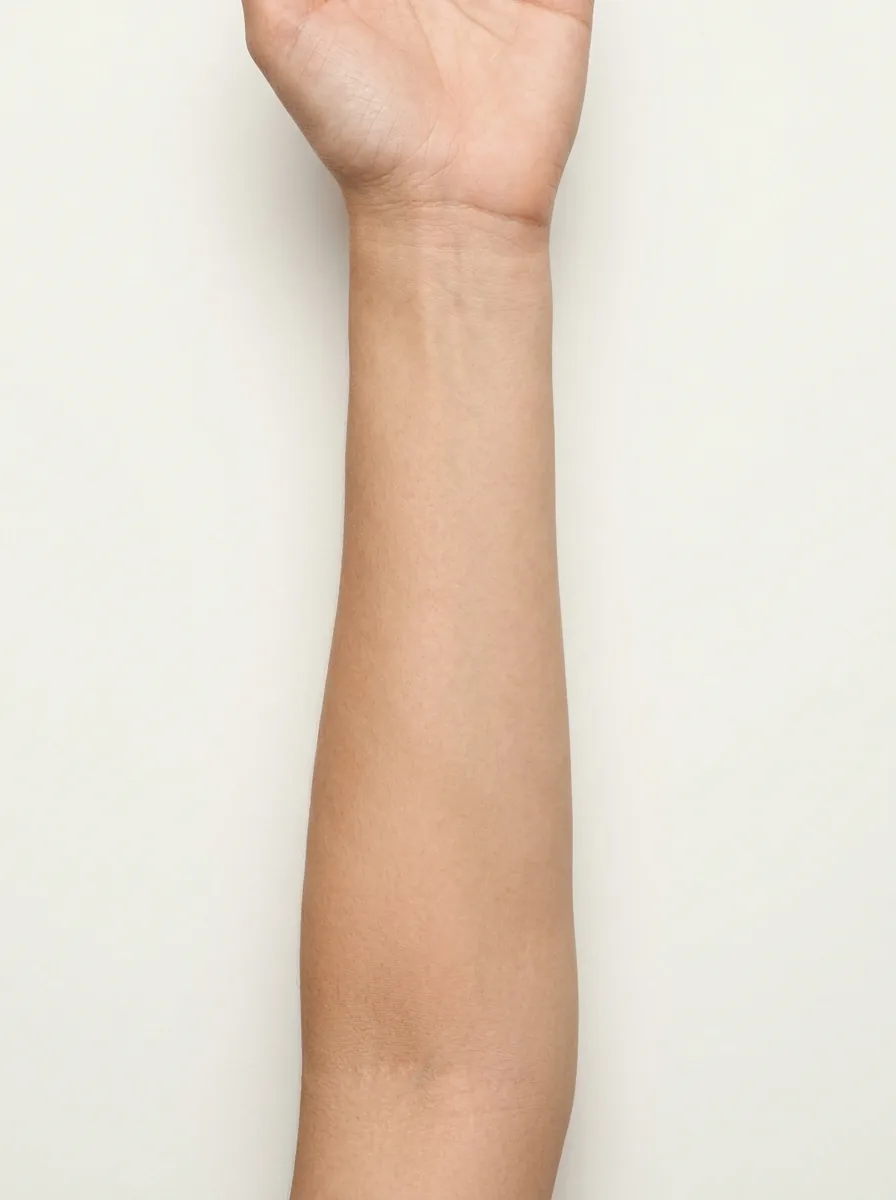
Forearm · vertical
Drag the kanji to move it.
This sits comfortably on a typical forearm.
The classic spot — a vertical column of kanji follows the arm naturally.
Mistakes are permanent — the check is free.
希 — Hope, rare, wish, desire
希 carries a dual meaning of 'hope' and 'rare/scarce' — suggesting that hope itself is something precious and uncommon. The character is the first half of 希望 (kibou), the standard Japanese word for hope. Structurally, 希 depicts a rare, fine fabric (from 巾 cloth), evoking something precious and worth striving for. In Japanese culture, 希 is widely used in names to express parents' wish for a bright future — names like 希望 (Nozomi), 希 (Nozomi/Mare), and 希子 (Noriko) are popular for both boys and girls.
Common across many contexts. Found in 希望 (kibou — hope), 希少 (kishou — rare, scarce), 希望者 (kibousha — applicant, person who hopes), and 希薄 (kihaku — thin, dilute, faint). Very popular as a name kanji.
A beautiful, compact kanji with only 7 strokes — clean, balanced, and legible at any size. Its meaning of hope is universally understood when used in the context of 希望. The additional nuance of 'rare/precious' adds depth. One of the best minimalist options for a hope-themed tattoo.
望 — Hope, desire, wish, gaze afar
望 represents hope as gazing toward a distant future — the act of looking far and wishing for something beyond your current reach. The character combines 月 (moon) and 王 (king) with 亡 (distant/gone), evoking a king gazing at the distant moon with longing. 望 is the second half of 希望 (kibou — hope) and carries a stronger sense of desire and aspiration than 希. The full-moon night (望月 mochizuki) traditionally symbolized the fulfillment of wishes in Japanese and Chinese culture.
Very common. Found in 希望 (kibou — hope), 望む (nozomu — to hope for, wish), 欲望 (yokubou — desire), 展望 (tenbou — outlook, prospect), 望遠鏡 (bouenkyou — telescope), and 絶望 (zetsubou — despair). Also popular in names like 望 (Nozomi).
望 is a powerful, visually dynamic kanji with 11 well-balanced strokes. Its meaning combines hope with the romantic image of gazing at the moon — perfect for someone who dreams big. The character looks impressive in calligraphy, especially in semi-cursive (gyousho) style. Pairs beautifully with 希 to form 希望.
願 — Wish, prayer, petition, desire
願 represents hope expressed as a heartfelt wish or formal prayer — the deep, earnest desire of the heart directed toward something specific. The character combines 原 (origin, source — also a phonetic element) with 頁 (head/face), suggesting bowing one's head in earnest supplication. In Japanese religious practice, 願 is central — at Shinto shrines, visitors make 願い事 (negaigoto — wishes), and Buddhist temples accept 願文 (ganmon — written prayers). The tradition of 七夕 (Tanabata) involves writing wishes on paper strips, deeply connected to this kanji.
Very common in both everyday and religious contexts. Found in 願い (negai — wish, desire), 願う (negau — to wish, pray), 志願 (shigan — aspiration, volunteering), 祈願 (kigan — prayer, supplication), and 願書 (gansho — application form). Common in temple names and religious terminology.
願 carries deep emotional and spiritual weight — it's not just hoping, it's actively praying for something from the heart. The 19 strokes create a grand, complex form that demands larger placement but looks magnificent in skilled calligraphy. Best for those whose hope is deeply personal, spiritual, or connected to a specific heartfelt wish.
祈 — Pray, wish for, beseech
祈 represents hope through the act of prayer — reaching out to something greater than oneself for guidance, protection, or fulfillment. The character combines 示 (altar/divine) with 斤 (axe/cut), originally depicting a ritual at a sacred altar where offerings were made. In Japan, 祈り (inori — prayer) is practiced at both Shinto shrines and Buddhist temples. The concept transcends specific religions — it represents the universal human act of directing hope and intention toward the sacred.
Common in spiritual and formal contexts. Found in 祈る (inoru — to pray), 祈り (inori — prayer), 祈願 (kigan — supplication), 祈祷 (kitou — ritual prayer), and 祈念 (kinen — prayer, wish). Used on ema (絵馬 — wooden prayer tablets) at shrines.
祈 is a beautiful, spiritually resonant kanji with only 8 strokes — clean and legible at any size. The altar radical (示) is visually distinctive and immediately signals the sacred. Its meaning of prayer adds depth beyond simple 'hope' — it suggests faith, intention, and connection to something greater. Outstanding for those with a spiritual or meditative orientation.
Font Style Preview
See how each kanji looks in different Japanese font styles.
| Font | 希 | 望 | 願 | 祈 |
|---|---|---|---|---|
| Serif | 希 | 望 | 願 | 祈 |
| Sans | 希 | 望 | 願 | 祈 |
| Yuji Mai | 希 | 望 | 願 | 祈 |
| Yuji Syuku | 希 | 望 | 願 | 祈 |
| Kouzan Syodou | 希 | 望 | 願 | 祈 |
| Tamanegi Geki | 希 | 望 | 願 | 祈 |
Common Mistakes to Avoid
欲 means desire or craving — often with selfish or greedy connotations (欲張り yokubari means 'greedy'). While hope involves desire, 欲 focuses on wanting things for yourself. A 欲 tattoo could be read as 'greed' or 'lust' — very different from the uplifting meaning of hope.
待 means to wait — passive waiting, not active hoping. While 'waiting in hope' is a real concept, 待 alone just means sitting and waiting. A 待 tattoo would suggest patience or delay rather than the forward-looking optimism of hope. Use 望 or 希 instead.
Context-specific errors are harder to catch. The kanji for “optimistic hope for the future” vs “deep personal wish” vs “spiritual prayer” each require different characters. A wrong choice isn't always obvious until a native speaker sees it.
Verify your phrase with AI before you ink →Frequently Asked Questions
This page covers generic “hope” — but your tattoo is personal
The right kanji depends on your exact phrase, intended nuance, and personal context. Our AI translates your specific meaning into authentic Japanese — with cultural verification and tattoo-ready exports.
Verify your kanji before you ink →