Kanji for SamuraiMeanings & Tattoo Guide
侍 looks almost identical to 待 ("to wait") — one stroke changes everything. Compare 侍, 武士道, 浪人, and 侍魂 for an authentic samurai tattoo that reads right.
At a Glance
| Kanji | Meaning | Reading | Strokes | Tattoo |
|---|---|---|---|---|
| 侍 | Samurai, warrior who serves | samurai | 8 | excellent |
| 武士道 | Bushido, the way of the warrior | bushidou | 23 | excellent |
| 浪人 | Ronin, masterless samurai | rounin | 12 | good |
| 侍魂 | Samurai spirit, the soul of a warrior | samurai-damashii | 22 | good |
Not sure which one fits your meaning? “Samurai” can translate differently depending on context.
Check your kanji for free →See it on your body
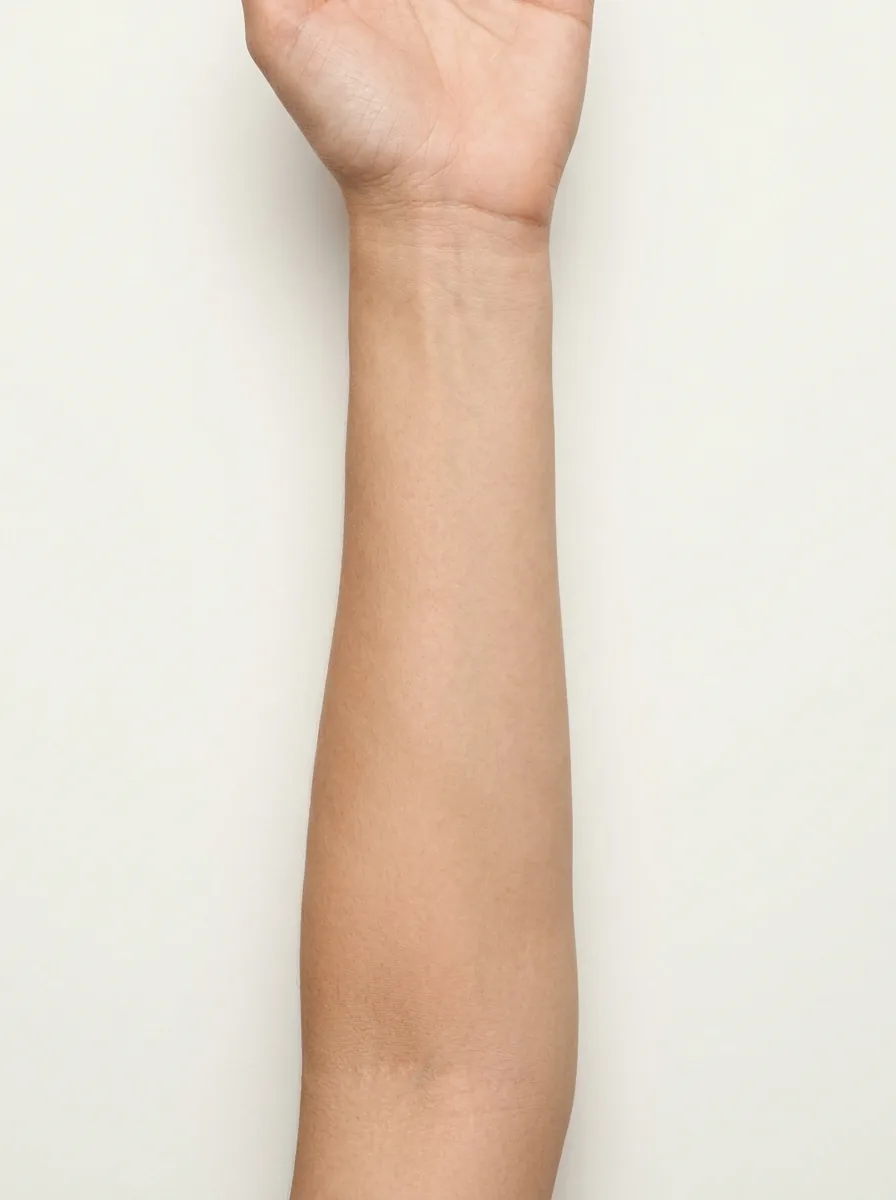
Forearm · vertical
Drag the kanji to move it.
This sits comfortably on a typical forearm.
The classic spot — a vertical column of kanji follows the arm naturally.
Mistakes are permanent — the check is free.
侍 — Samurai, warrior who serves
侍 is the single kanji for samurai — the warrior class that ruled Japan for nearly 700 years. The character joins 亻 (person) with 寺 (to serve), literally 'one who serves,' which captures the heart of samurai identity: loyalty and service to one's lord under the code of Bushido. Though the class was abolished in 1868, 侍 remains one of the most instantly recognized symbols of Japan in the world.
侍 is widely used in film, sport, and pop culture — Japan's national baseball team is nicknamed 侍ジャパン (Samurai Japan). It reads cleanly as 'samurai' to anyone, Japanese or not, and signals discipline, honor, and Japanese heritage.
The most globally recognized samurai kanji. At 8 balanced strokes it's clean at almost any size, and its meaning (warrior + one who serves) carries built-in philosophical depth. The single best choice if you want one character that says 'samurai' unmistakably. Just be careful not to confuse it with the near-identical 待 (to wait).
武士道 — Bushido, the way of the warrior
武士道 — 'the way of the warrior' — is the samurai moral code, combining 武 (martial), 士 (warrior/gentleman), and 道 (the way/path). It encompasses seven virtues: 義 (righteousness), 勇 (courage), 仁 (benevolence), 礼 (respect), 誠 (sincerity), 名誉 (honor), and 忠義 (loyalty). More than a fighting style, it is a lifelong ethical discipline, popularized worldwide by Nitobe Inazō's 1900 book of the same name.
武士道 is used in martial arts, business ethics, and philosophy to mean a principled, honor-bound way of living. It's a phrase Japanese readers treat with respect — it signals depth and seriousness, not just martial flair.
For those who want the philosophy rather than just the figure, 武士道 says 'I live by the warrior's code' in three weighty characters. It carries more meaning than 侍 alone, but the high combined stroke count means it needs a larger canvas (forearm, spine, calf) and reads best stacked vertically. Avoid tiny placements where the three characters merge.
浪人 — Ronin, masterless samurai
浪人 means 'ronin' — a samurai with no lord to serve, literally a 'wave person' (浪 wave + 人 person) drifting without an anchor. Ronin became iconic figures of independence and tragedy in Japanese history and storytelling, from the 47 Ronin to countless wandering-swordsman films. The word carries a romantic, lone-wolf melancholy that many find more compelling than the dutiful samurai.
Modern Japanese also uses 浪人 for a student studying for another year to retake university exams — a 'masterless' year in between. In cultural and tattoo contexts, though, it almost always evokes the wandering masterless warrior.
A characterful choice for those who identify with independence and the lone path rather than service to a master. At 12 strokes across two characters it's legible at medium size. Note the nuance: 浪人 is specifically 'masterless / wandering,' so it reads as a free, unattached warrior — and to Japanese readers can also suggest the everyday 'exam-retake student,' which is worth knowing before you commit.
侍魂 — Samurai spirit, the soul of a warrior
侍魂 joins 侍 (samurai) with 魂 (soul/spirit) to mean 'samurai spirit' — not the warrior himself but the indomitable inner fire that defines him: courage, loyalty, and the refusal to yield. The word 魂 (tamashii) is deeply emotive in Japanese, used for the very soul of a person or people, so 侍魂 reads as heartfelt rather than decorative.
侍魂 appears in sports commentary, music, and motivational contexts to praise grit and never-give-up spirit. It's understood as a stirring, slightly poetic phrase rather than a literal job title.
Choose 侍魂 when you want to mark the spirit of the samurai inside you rather than the figure. It's evocative and clearly readable to Japanese eyes, but the two dense characters need medium-to-large placement. Slightly less universally recognized by non-Japanese viewers than 侍 alone, so it rewards those who want meaning over instant readability.
Font Style Preview
See how each kanji looks in different Japanese font styles.
| Font | 侍 | 武士道 | 浪人 | 侍魂 |
|---|---|---|---|---|
| Serif | 侍 | 武士道 | 浪人 | 侍魂 |
| Sans | 侍 | 武士道 | 浪人 | 侍魂 |
| Yuji Mai | 侍 | 武士道 | 浪人 | 侍魂 |
| Yuji Syuku | 侍 | 武士道 | 浪人 | 侍魂 |
| Kouzan Syodou | 侍 | 武士道 | 浪人 | 侍魂 |
| Tamanegi Geki | 侍 | 武士道 | 浪人 | 侍魂 |
Common Mistakes to Avoid
待 (matsu — 'to wait') looks almost identical to 侍 (samurai) — the only difference is the left radical (彳 vs 亻). This is the single most common samurai-tattoo error: a slightly misdrawn 侍 becomes 待, turning 'samurai' into 'waiting.' Always double-check the left-hand strokes, ideally with a native speaker, before you ink.
寺 (tera) is the right-hand component of 侍, and it means 'Buddhist temple' — not samurai. Because it forms part of 侍 some people mistakenly tattoo 寺 alone thinking it relates to the warrior. On its own it simply reads as 'temple,' so never use it as shorthand for samurai.
Context-specific errors are harder to catch. The kanji for “a samurai who serves with honor” vs “the warrior's code lived day to day” vs “a masterless ronin walking his own path” each require different characters. A wrong choice isn't always obvious until a native speaker sees it.
Verify your phrase with AI before you ink →Frequently Asked Questions
This page covers generic “samurai” — but your tattoo is personal
The right kanji depends on your exact phrase, intended nuance, and personal context. Our AI translates your specific meaning into authentic Japanese — with cultural verification and tattoo-ready exports.
Verify your kanji before you ink →