Warrior in KanjiMeanings & Tattoo Guide
侍, 武, 士, 兵 — four "warrior" kanji, four very different warriors. One just means "soldier," and inking it by mistake is common. See which one deserves a place on your skin.
At a Glance
| Kanji | Meaning | Reading | Strokes | Tattoo |
|---|---|---|---|---|
| 武 | Martial, military, warrior, chivalry | bu | 8 | excellent |
| 侍 | Samurai, warrior who serves | samurai | 8 | excellent |
| 士 | Gentleman, scholar-warrior, samurai | shi | 3 | good |
| 兵 | Soldier, troops, warrior | hei | 7 | fair |
Not sure which one fits your meaning? “Warrior” can translate differently depending on context.
Check your kanji for free →See it on your body
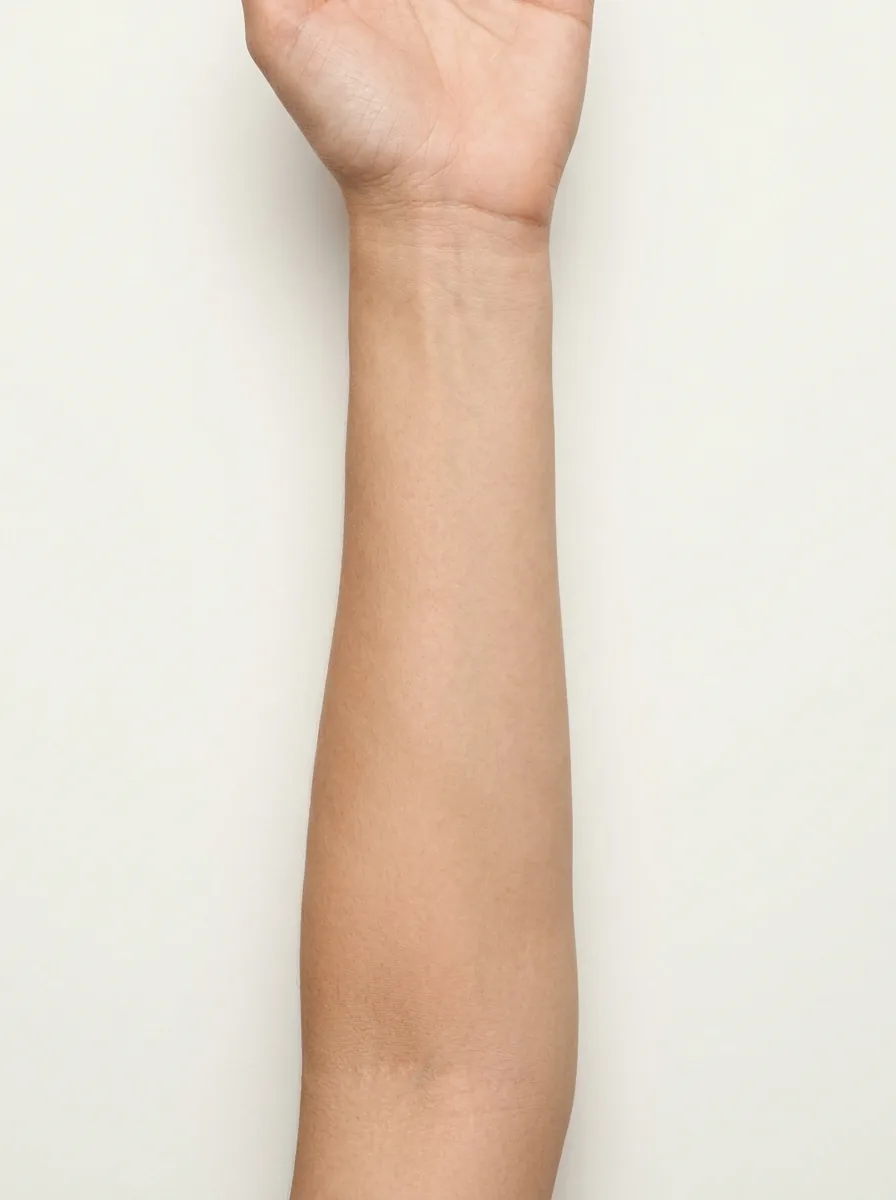
Forearm · vertical
Drag the kanji to move it.
This sits comfortably on a typical forearm.
The classic spot — a vertical column of kanji follows the arm naturally.
Mistakes are permanent — the check is free.
武 — Martial, military, warrior, chivalry
武 is the foundational kanji for everything related to warriors and martial arts in Japan. It combines 止 (stop) and 戈 (halberd/weapon), famously interpreted as "to stop the spear" — the true warrior uses weapons to end conflict, not create it. This interpretation is the philosophical root of Bushido (武士道 — the way of the warrior). 武 appears in nearly every martial arts name (武道 budou, 武術 bujutsu) and is the first character of 武士 (bushi — samurai/warrior).
Extremely common in martial arts and historical contexts. Found in 武士 (bushi — samurai), 武道 (budou — martial way), 武術 (bujutsu — martial arts), 武器 (buki — weapon), and 武士道 (bushido — way of the warrior). Also used in male given names.
The definitive warrior kanji — universally understood and culturally significant. At 8 strokes, it's balanced between simplicity and visual weight. The philosophical meaning ("to stop the spear") adds depth beyond surface aggression. One of the most popular kanji tattoos among martial artists worldwide.
侍 — Samurai, warrior who serves
侍 is the kanji for samurai — the warrior class that dominated Japan for nearly 700 years. The character combines 亻 (person) with 寺 (temple/serve), literally meaning "one who serves." This reflects the core of samurai identity: a samurai's purpose was service to their lord (daimyo) and adherence to Bushido. The samurai class was abolished in the Meiji Restoration (1868), but 侍 remains one of the most recognized symbols of Japan worldwide.
Common in historical, cultural, and pop-culture contexts. Found in 侍 (samurai — samurai), 侍魂 (samurai damashii — samurai spirit), and countless movie and book titles. Less common in everyday speech but highly recognizable.
The most globally recognized kanji for warrior — specifically the samurai. At 8 strokes, it's clean and visually balanced. Its dual meaning (warrior + one who serves) adds philosophical weight. Hugely popular for martial arts and Japan-themed tattoos. Instantly readable to both Japanese and Japanese-culture enthusiasts worldwide.
士 — Gentleman, scholar-warrior, samurai
士 historically referred to scholar-warriors — men of learning and arms. In ancient China and Japan, the 士 class were the educated elite who could both read classics and wield weapons. The character depicts an axe or a ceremonial tool held by a learned man. It is the second character of 武士 (bushi — samurai) and 志士 (shishi — patriot/man of high purpose). At only 3 strokes, it's one of the simplest yet most meaningful kanji for warrior.
Common as a suffix for professions and qualifications. Found in 武士 (bushi — samurai), 弁護士 (bengoshi — lawyer), 博士 (hakase — doctor/PhD), 紳士 (shinshi — gentleman), and 戦士 (senshi — warrior/fighter). Suggests expertise and honor.
The most minimalist option at only 3 strokes — perfect for small or subtle tattoos. Carries deep historical meaning as the warrior-scholar. However, 士 alone is rare as a tattoo because it's more often used as a suffix; pairing with another kanji (e.g., 武士 or 戦士) gives clearer meaning.
兵 — Soldier, troops, warrior
兵 refers to soldiers and warriors in a more practical, military sense — the fighting men on the battlefield. Unlike 武士 (samurai, a class) or 侍 (one who serves), 兵 is closer to "soldier" or "troops." The character depicts hands holding an axe, emphasizing the active role of combat. It appears in Sun Tzu's Art of War (孫子の兵法 sonshi no heihou), a foundational text read by samurai for centuries.
Used in military, historical, and strategic contexts. Found in 兵士 (heishi — soldier), 兵法 (heihou — strategy, art of war), 兵隊 (heitai — troops), and 歩兵 (hohei — infantry). More military than martial arts in tone.
兵 is more "soldier" than "warrior" in its connotation, with strong military associations. While it works as a tattoo, most people seeking a "warrior" tattoo prefer 武 or 侍 for their martial arts and cultural weight. Choose 兵 specifically if you want the military/strategic angle (e.g., as a veteran or strategy enthusiast).
Font Style Preview
See how each kanji looks in different Japanese font styles.
| Font | 武 | 侍 | 士 | 兵 |
|---|---|---|---|---|
| Serif | 武 | 侍 | 士 | 兵 |
| Sans | 武 | 侍 | 士 | 兵 |
| Yuji Mai | 武 | 侍 | 士 | 兵 |
| Yuji Syuku | 武 | 侍 | 士 | 兵 |
| Kouzan Syodou | 武 | 侍 | 士 | 兵 |
| Tamanegi Geki | 武 | 侍 | 士 | 兵 |
Common Mistakes to Avoid
戦 means "war" or "battle," not warrior. It's often confused because English speakers associate warriors with war. Getting 戦 tattooed alone reads more as "conflict" or "warfare" — a much darker connotation than "warrior." Use 戦士 (senshi — warrior/fighter) or stick with 武 instead.
軍 means "army" or "military" as an institution — not individual warriors. It's bureaucratic and institutional, lacking the personal nobility of 武 or 侍. As a tattoo, 軍 reads more like "military" or "army" than "warrior." Avoid unless you specifically want to reference the armed forces.
Context-specific errors are harder to catch. The kanji for “a samurai of old Japan” vs “a soldier on the battlefield” vs “a warrior in spirit and way” each require different characters. A wrong choice isn't always obvious until a native speaker sees it.
Verify your phrase with AI before you ink →Frequently Asked Questions
This page covers generic “warrior” — but your tattoo is personal
The right kanji depends on your exact phrase, intended nuance, and personal context. Our AI translates your specific meaning into authentic Japanese — with cultural verification and tattoo-ready exports.
Verify your kanji before you ink →