Strength in KanjiMeanings & Tattoo Guide
力, 強, 剛, 勇 all translate as "strength" — but each means a completely different kind, and one is the wrong choice for most tattoos. See which matches your story before it's permanent.
At a Glance
| Kanji | Meaning | Reading | Strokes | Tattoo |
|---|---|---|---|---|
| 力 | Power, strength, force | chikara | 2 | excellent |
| 強 | Strong, powerful, tough | tsuyoi | 11 | good |
| 剛 | Sturdy, rigid, unyielding strength | gou | 10 | excellent |
| 勇 | Courage, bravery, heroic strength | yuu | 9 | good |
Not sure which one fits your meaning? “Strength” can translate differently depending on context.
Check your kanji for free →See it on your body
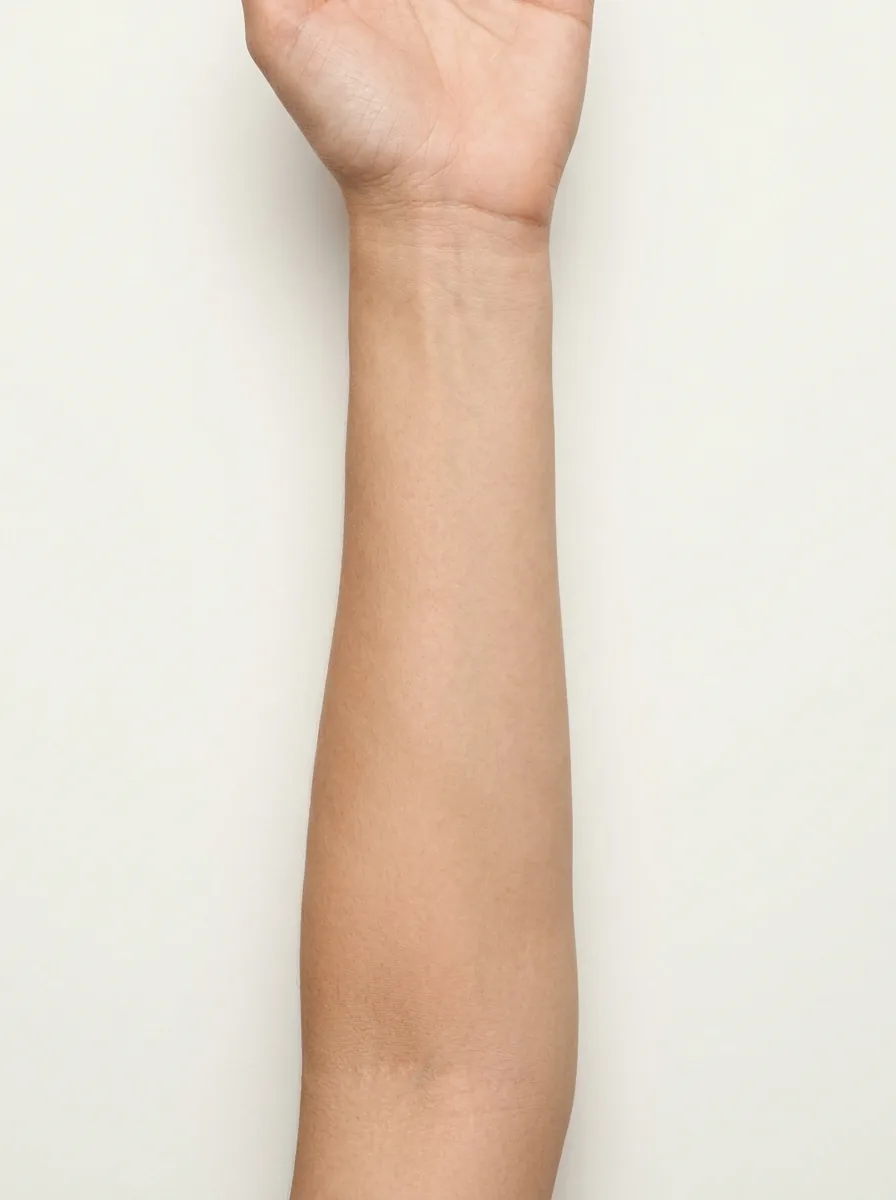
Forearm · vertical
Drag the kanji to move it.
This sits comfortably on a typical forearm.
The classic spot — a vertical column of kanji follows the arm naturally.
Mistakes are permanent — the check is free.
力 — Power, strength, force
One of the most fundamental kanji in Japanese, 力 represents raw physical power and ability. Its simple two-stroke form is derived from a pictograph of a flexed arm, making it one of the oldest and most recognizable characters. In Japanese martial arts, 力 is central to concepts like 力技 (chikarawaza — power technique) and is deeply embedded in the cultural understanding of strength.
Extremely common in everyday Japanese. Found in words like 能力 (nouryoku — ability), 努力 (doryoku — effort), 協力 (kyouryoku — cooperation), and 電力 (denryoku — electric power). Used across all contexts from casual to formal.
Universally recognized, visually clean with only 2 strokes, and carries a clear, unambiguous meaning. Its simplicity makes it work well at any size and in any font style.
⚠ Can be confused with the katakana カ (ka). The kanji 力 has a slightly curved first stroke and a more angular second stroke compared to the katakana.
強 — Strong, powerful, tough
強 represents a broader concept of strength that includes mental toughness and resilience. The character combines 弓 (bow) with 虫 (insect) and 厶, suggesting the strength of a beetle — a creature admired in Japanese culture for its tenacity. This kanji embodies the idea that true strength comes from perseverance.
Very common in both spoken and written Japanese. Found in 強い (tsuyoi — strong), 勉強 (benkyou — study), 強化 (kyouka — strengthening), and 強調 (kyouchou — emphasis). Frequently used in sports commentary and motivational contexts.
Carries a strong, positive meaning and is well-recognized. The 11 strokes create a visually complex character that looks impressive in calligraphic styles. Requires medium-to-large size for detail clarity.
剛 — Sturdy, rigid, unyielding strength
剛 conveys an unbreakable, immovable quality of strength — like steel or stone. It appears in the martial arts concept 剛柔 (goujuu — hard and soft), which is the origin of the word Judo (柔道). In samurai philosophy, 剛 represents unwavering resolve. The character is commonly used in male given names, reflecting its association with masculine fortitude.
Less common in everyday conversation but prominent in martial arts, names, and literary contexts. Found in 剛力 (gouriki — herculean strength), 金剛 (kongou — diamond/indestructible), and 剛健 (gouken — robust health).
Carries a deep, sophisticated meaning of unyielding strength. Less commonly seen as a tattoo than 力, making it more unique. The 10 strokes provide good visual balance, especially in brush calligraphy styles.
勇 — Courage, bravery, heroic strength
勇 represents the strength that comes from courage and bravery. It is one of the seven virtues of Bushido (武士道), the samurai code of honor. The character combines 甬 (a phonetic element) with 力 (power), suggesting that true courage requires inner strength. In Japanese mythology, many heroes are described with this character.
Common in both everyday and formal Japanese. Found in 勇気 (yuuki — courage), 勇者 (yuusha — hero/brave person), 勇敢 (yuukan — brave), and 勇ましい (isamashii — gallant). Popular in anime, games, and motivational contexts.
Beautiful character with strong cultural significance through its Bushido connection. The 9 strokes offer good visual complexity. Particularly meaningful for those who value the intersection of strength and courage.
Font Style Preview
See how each kanji looks in different Japanese font styles.
| Font | 力 | 強 | 剛 | 勇 |
|---|---|---|---|---|
| Serif | 力 | 強 | 剛 | 勇 |
| Sans | 力 | 強 | 剛 | 勇 |
| Yuji Mai | 力 | 強 | 剛 | 勇 |
| Yuji Syuku | 力 | 強 | 剛 | 勇 |
| Kouzan Syodou | 力 | 強 | 剛 | 勇 |
| Tamanegi Geki | 力 | 強 | 剛 | 勇 |
Common Mistakes to Avoid
Often mistakenly chosen by those wanting a "strength" tattoo. While 男 contains the 力 radical, it specifically means "male/man" — not strength. Getting this tattooed when you meant "strength" would be an embarrassing and permanent mistake.
The katakana カ looks remarkably similar to the kanji 力 (chikara/strength). However, カ is simply a phonetic character with no meaning on its own. A poorly written 力 can easily be mistaken for カ, which would look nonsensical as a tattoo.
Context-specific errors are harder to catch. The kanji for “inner strength” vs “physical strength” vs “strength of will” each require different characters. A wrong choice isn't always obvious until a native speaker sees it.
Verify your phrase with AI before you ink →Frequently Asked Questions
This page covers generic “strength” — but your tattoo is personal
The right kanji depends on your exact phrase, intended nuance, and personal context. Our AI translates your specific meaning into authentic Japanese — with cultural verification and tattoo-ready exports.
Verify your kanji before you ink →