Kanji for CourageMeanings & Tattoo Guide
勇 = bravery in action, 胆 = bold fearlessness, 敢 = daring, 魂 = fighting spirit. Compare 4 courage kanji with cultural context and tattoo suitability.
At a Glance
| Kanji | Meaning | Reading | Strokes | Tattoo |
|---|---|---|---|---|
| 勇 | Courage, bravery, valor | yuu | 9 | excellent |
| 胆 | Gall, nerve, bold courage | tan | 9 | good |
| 敢 | Daring, decisive courage | kan | 12 | good |
| 魂 | Soul, spirit, fighting spirit | tamashii | 14 | excellent |
Not sure which one fits your meaning? “Courage” can translate differently depending on context.
Check your kanji for free →See it on your body
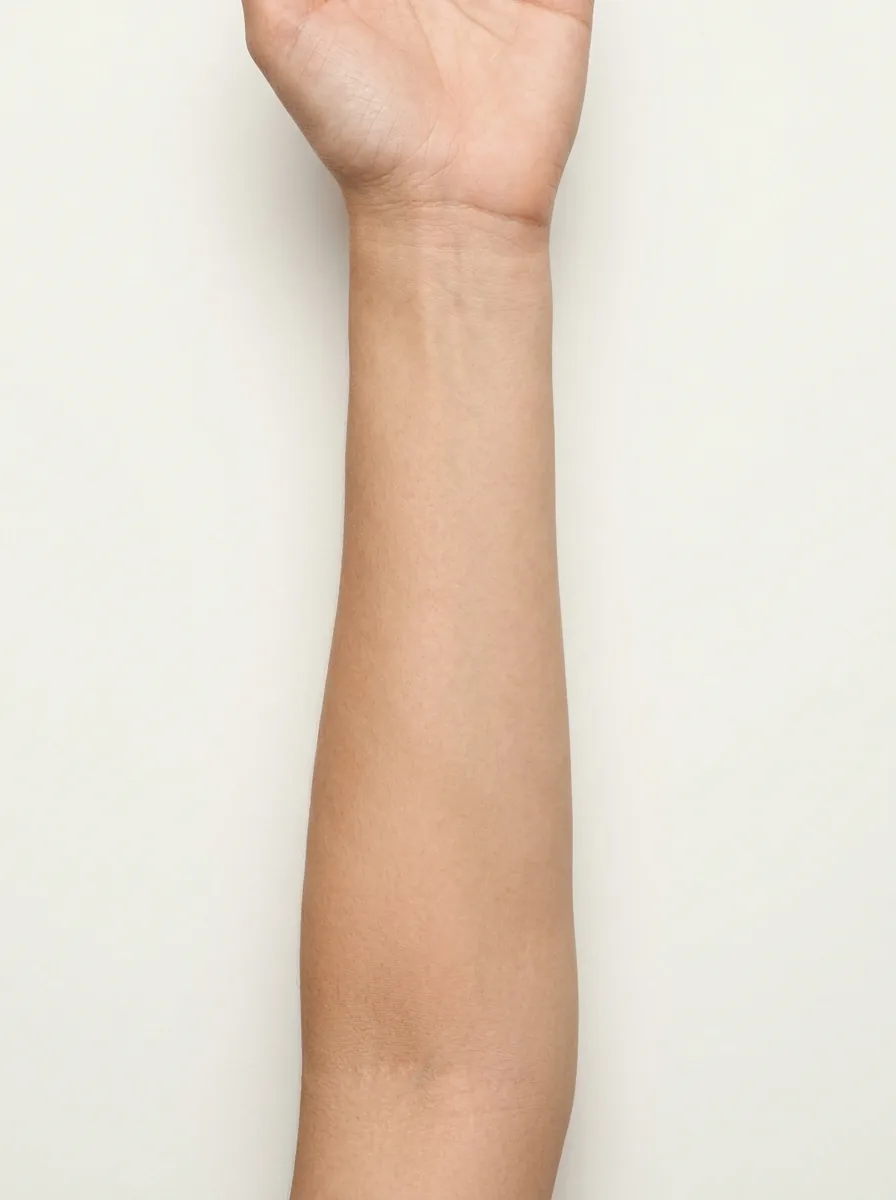
Forearm · vertical
Drag the kanji to move it.
This sits comfortably on a typical forearm.
The classic spot — a vertical column of kanji follows the arm naturally.
Mistakes are permanent — the check is free.
勇 — Courage, bravery, valor
勇 is the definitive kanji for courage in Japanese. It is one of the seven virtues of Bushido (武士道), the samurai code of honor, where it represents the courage to do what is right. The character combines 甬 (a phonetic element) with 力 (power), symbolizing that true courage requires inner strength. In Japanese mythology and literature, heroes are consistently described with this character — from ancient warriors to modern anime protagonists.
Very common across all registers of Japanese. Found in 勇気 (yuuki — courage), 勇者 (yuusha — hero/brave person), 勇敢 (yuukan — brave/gallant), and 勇ましい (isamashii — valiant). Widely used in anime, video games, motivational speeches, and sports commentary.
The most recognized and culturally significant kanji for courage. The 9 strokes create a visually balanced character that works beautifully in calligraphic styles. Its Bushido connection adds deep cultural weight, making it a meaningful and respected tattoo choice.
胆 — Gall, nerve, bold courage
胆 originally refers to the gallbladder, but in Japanese culture it has long been associated with boldness and nerve — the visceral, gut-level courage that drives someone to act in the face of fear. The concept of 胆力 (tanryoku — nerve/guts) is highly valued in martial arts and leadership. In samurai culture, having 大胆 (daitan — bold/daring) was considered essential for a warrior who must make split-second decisions in battle.
Used in literary and formal contexts. Found in 大胆 (daitan — bold/daring), 胆力 (tanryoku — courage/nerve), 落胆 (rakutan — discouragement), and 魂胆 (kontan — ulterior motive/scheme). Common in business and leadership contexts to describe decisive action.
Conveys a raw, visceral form of courage — guts and nerve rather than noble bravery. The 9 strokes with the 月 (flesh/body) radical create an interesting visual. Best suited for those who want to express fearless boldness. Less commonly seen as a tattoo, making it a distinctive choice.
敢 — Daring, decisive courage
敢 represents the courage to take decisive action — to dare to do something despite the risks. Unlike 勇 which emphasizes the emotional quality of bravery, 敢 focuses on the act of stepping forward. It contains 攵 (action/strike), reinforcing the idea of courage expressed through deeds. In classical Chinese philosophy, which heavily influenced Japanese thought, 敢 was the courage of conviction — acting on what you believe is right regardless of consequences.
Primarily used in compound words and formal contexts. Found in 勇敢 (yuukan — brave), 敢行 (kankou — decisive action), 果敢 (kakan — resolute/bold), and 敢えて (aete — daringly/deliberately). Often appears in military, business, and literary contexts.
Represents courage through action — daring to act when others hesitate. The 12 strokes create a complex, visually striking character. Its rarity as a standalone tattoo makes it highly unique. Best for those who define courage as taking bold action rather than simply being brave.
魂 — Soul, spirit, fighting spirit
While 魂 literally means "soul" or "spirit," in Japanese culture it is deeply connected to courage through the concept of 大和魂 (yamatodamashii — the Japanese spirit). This term represents the inner courage, determination, and fighting spirit that defines a person's character. In martial arts, 魂 is the spiritual fire that fuels a warrior's courage. The character combines 云 (cloud/say) with 鬼 (demon/spirit), suggesting a force that transcends the physical world.
Common across many contexts. Found in 大和魂 (yamatodamashii — Japanese spirit), 闘魂 (toukon — fighting spirit), 魂込め (tamashii kome — putting one's soul into something), and 鎮魂 (chinkon — repose of souls). Extremely popular in sports, martial arts, and motivational contexts.
One of the most powerful and visually impressive kanji for tattoos. The 14 strokes with the 鬼 (demon) radical create a dramatic, complex character that looks stunning in large calligraphic styles. Carries profound cultural meaning as the inner fire that drives courage. A very popular and respected tattoo choice.
Font Style Preview
See how each kanji looks in different Japanese font styles.
| Font | 勇 | 胆 | 敢 | 魂 |
|---|---|---|---|---|
| Serif | 勇 | 胆 | 敢 | 魂 |
| Sans | 勇 | 胆 | 敢 | 魂 |
| Yuji Mai | 勇 | 胆 | 敢 | 魂 |
| Yuji Syuku | 勇 | 胆 | 敢 | 魂 |
| Kouzan Syodou | 勇 | 胆 | 敢 | 魂 |
| Tamanegi Geki | 勇 | 胆 | 敢 | 魂 |
Common Mistakes to Avoid
恐 means fear or dread — the exact opposite of courage. Some people confuse this character when searching for courage-related kanji because they associate "facing fear" with courage. Getting 恐 tattooed when you meant courage would be a significant and ironic mistake.
Often mistakenly chosen by those who equate courage with masculinity. While cultural associations exist, 男 simply means "male/man" and carries no inherent meaning of courage or bravery. Choose 勇 or another courage-specific kanji instead.
Context-specific errors are harder to catch. The kanji for “bold courage in action” vs “quiet nerve under pressure” vs “fighting spirit of the soul” each require different characters. A wrong choice isn't always obvious until a native speaker sees it.
Verify your phrase with AI before you ink →Frequently Asked Questions
This page covers generic “courage” — but your tattoo is personal
The right kanji depends on your exact phrase, intended nuance, and personal context. Our AI translates your specific meaning into authentic Japanese — with cultural verification and tattoo-ready exports.
Verify your kanji before you ink →