Kanji for FreedomMeanings & Tattoo Guide
Looking for a freedom kanji tattoo? 解 = release, 放 = let go, 翔 = soar, 遊 = wander. Compare meanings, cultural context, and tattoo suitability.
At a Glance
| Kanji | Meaning | Reading | Strokes | Tattoo |
|---|---|---|---|---|
| 解 | Release, untie, solve, liberate | kai | 13 | good |
| 放 | Release, set free, let go, emit | hou | 8 | good |
| 翔 | Soar, fly high, glide | shou | 12 | excellent |
| 遊 | Play, wander, travel freely, enjoy | yuu | 12 | fair |
Not sure which one fits your meaning? “Freedom” can translate differently depending on context.
Check your kanji for free →See it on your body
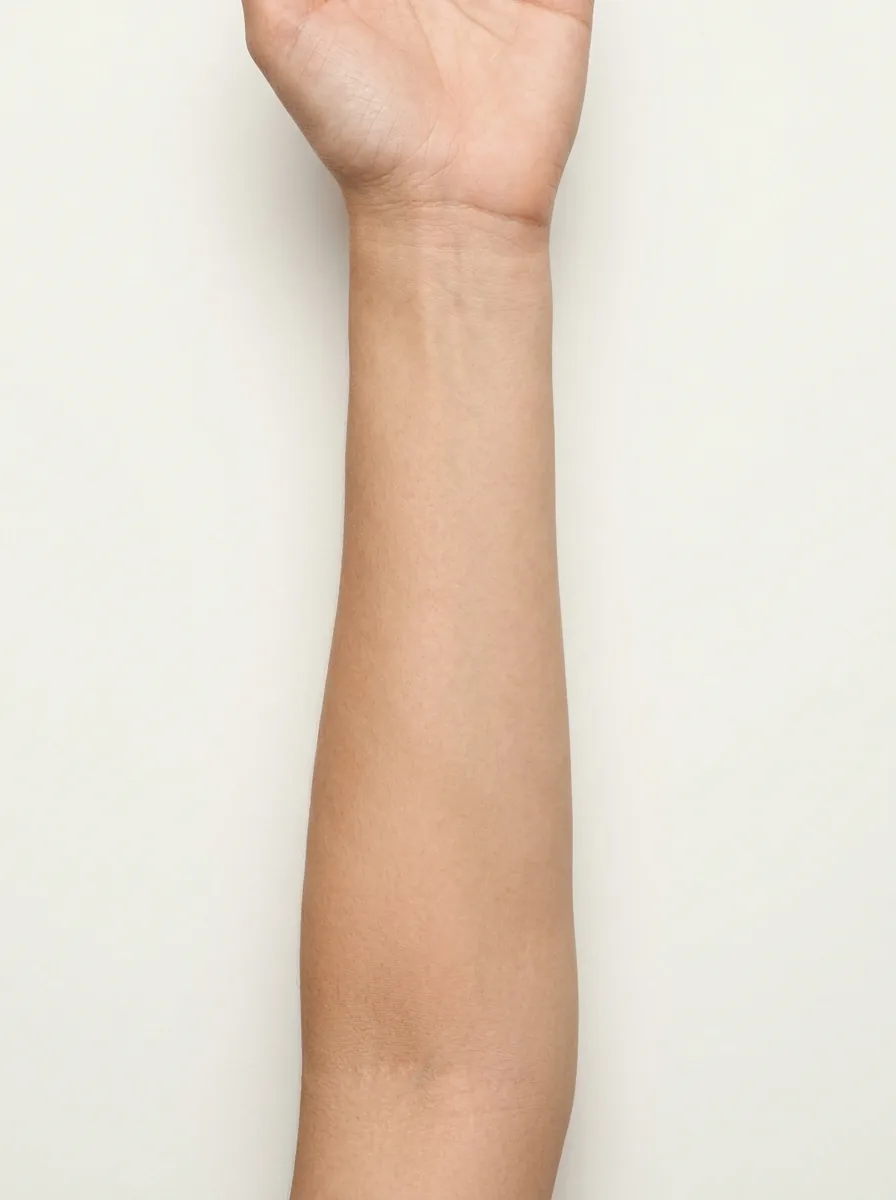
Forearm · vertical
Drag the kanji to move it.
This sits comfortably on a typical forearm.
The classic spot — a vertical column of kanji follows the arm naturally.
Mistakes are permanent — the check is free.
解 — Release, untie, solve, liberate
解 represents freedom as liberation — the act of untying bonds and releasing constraints. The character combines 角 (horn), 刀 (knife), and 牛 (ox), depicting the cutting of ropes that bind an ox — literal liberation. Note that the standard Japanese word for 'freedom' is 自由 (jiyuu), a two-character compound. For single-kanji tattoos, 解 captures the liberating moment of breaking free. In Buddhist philosophy, 解脱 (gedatsu — liberation from worldly attachments) is a central concept using this kanji.
Very common across many contexts. Found in 解放 (kaihou — liberation, emancipation), 解決 (kaiketsu — solution, resolution), 解脱 (gedatsu — spiritual liberation), 理解 (rikai — understanding), and 解く (hodoku — to untie, solve).
A meaningful choice for those who see freedom as liberation from something. The 13 strokes create a complex but balanced form. Its meaning is precise — breaking free, solving, untying — which gives it depth. Works best for people who have overcome a challenge or want to symbolize release.
放 — Release, set free, let go, emit
放 embodies freedom as the act of letting go — releasing a bird from a cage, setting something free into the wild. The character combines 方 (direction/way) with 攵 (strike/action), suggesting sending something outward in all directions. In Japanese spiritual practice, the concept of 放下 (houge — letting go of attachments) is a Zen teaching about finding freedom through release. The famous Zen phrase 'Houge jaku' (放下着) means 'let it all go.'
Common in both everyday and formal contexts. Found in 放す (hanasu — to release, set free), 解放 (kaihou — liberation), 放送 (housou — broadcasting), 放置 (houchi — leaving alone, neglecting), and 開放 (kaihou — opening up, making accessible).
At 8 strokes, 放 is clean and legible at most sizes. Its meaning of actively releasing or letting go carries a dynamic, active quality — freedom as a choice, not a state. The Zen connection adds philosophical depth. Pairs well with other kanji like 自放 or stands alone as a statement of release.
翔 — Soar, fly high, glide
翔 captures freedom as soaring flight — the exhilaration of rising above constraints and gliding freely through open sky. The character combines 羊 (a component suggesting upward movement) with 羽 (wings/feathers), creating a vivid image of winged ascent. 翔 has become one of the most popular name kanji in Japan since the 2000s, consistently ranking in the top 5 for boys' names. Its association with limitless potential and the freedom to pursue one's path resonates deeply in modern Japanese culture.
Found in 飛翔 (hishou — soaring flight), 翔ける (kakeru — to soar). Extremely popular as a given name (大翔 Hiroto, 翔太 Shouta, 翔 Shou/Kakeru). Also used poetically and in brand names to evoke aspiration and boundlessness.
翔 is one of the most visually stunning and emotionally powerful kanji for tattoos. The 12 strokes — especially the wing radical 羽 — create a dynamic, upward-sweeping form that looks magnificent in calligraphy. Its meaning of soaring freely speaks to universal aspirations. Popular as a name kanji adds familiarity without cliché. Outstanding choice for anyone who values freedom and limitless potential.
遊 — Play, wander, travel freely, enjoy
遊 represents freedom as carefree wandering and play — the joy of moving through life without rigid constraints. The character historically depicted a flag-bearing traveler (子 child + 㫃 banner + 辶 movement), evoking the freedom of a wandering journey. In Daoist philosophy, 遊 is a central concept — Zhuangzi's opening chapter 'Xiaoyaoyou' (逍遥遊 — Free and Easy Wandering) describes the ultimate spiritual freedom of one who moves through the world without attachment.
Extremely common. Found in 遊ぶ (asobu — to play), 遊園地 (yuuenchi — amusement park), 遊牧 (yuuboku — nomadic), 遊び (asobi — play, pastime), and 遊覧 (yuuran — excursion, sightseeing). Also used in the formal/literary sense of intellectual wandering.
While 遊 carries beautiful philosophical depth (Daoist freedom, carefree wandering), its primary modern meaning is simply 'play' or 'having fun.' Most Japanese people would read it as playful/recreational rather than philosophical. For a freedom tattoo, this could create an unintended casual impression. Best for those specifically drawn to the Daoist wanderer concept.
Font Style Preview
See how each kanji looks in different Japanese font styles.
| Font | 解 | 放 | 翔 | 遊 |
|---|---|---|---|---|
| Serif | 解 | 放 | 翔 | 遊 |
| Sans | 解 | 放 | 翔 | 遊 |
| Yuji Mai | 解 | 放 | 翔 | 遊 |
| Yuji Syuku | 解 | 放 | 翔 | 遊 |
| Kouzan Syodou | 解 | 放 | 翔 | 遊 |
| Tamanegi Geki | 解 | 放 | 翔 | 遊 |
Common Mistakes to Avoid
逃 means to escape or run away — freedom through fleeing. This carries distinctly negative connotations of cowardice or avoidance. A 逃 tattoo would suggest running from something rather than freely choosing your path. Use 解 or 翔 for positive liberation.
暇 means having free time or being unoccupied — not freedom as a philosophical concept. A 暇 tattoo would essentially mean 'I have nothing to do' or 'I'm bored,' which is far from the empowering message of freedom most people intend.
Context-specific errors are harder to catch. The kanji for “breaking free from constraints” vs “soaring beyond limits” vs “carefree living” each require different characters. A wrong choice isn't always obvious until a native speaker sees it.
Verify your phrase with AI before you ink →Frequently Asked Questions
This page covers generic “freedom” — but your tattoo is personal
The right kanji depends on your exact phrase, intended nuance, and personal context. Our AI translates your specific meaning into authentic Japanese — with cultural verification and tattoo-ready exports.
Verify your kanji before you ink →