Kanji for DreamMeanings & Tattoo Guide
夢 is the go-to kanji for "dream" — but did you know 幻 (illusion) and 志 (ambition) are also translated as "dream"? The meaning you want changes everything.
At a Glance
| Kanji | Meaning | Reading | Strokes | Tattoo |
|---|---|---|---|---|
| 夢 | Dream, vision, aspiration | yume | 13 | excellent |
| 志 | Ambition, aspiration, will, purpose | kokorozashi | 7 | excellent |
| 想 | Thought, imagination, concept | sou | 13 | good |
| 幻 | Illusion, phantom, vision, fantasy | maboroshi | 4 | good |
Not sure which one fits your meaning? “Dream” can translate differently depending on context.
Check your kanji for free →See it on your body
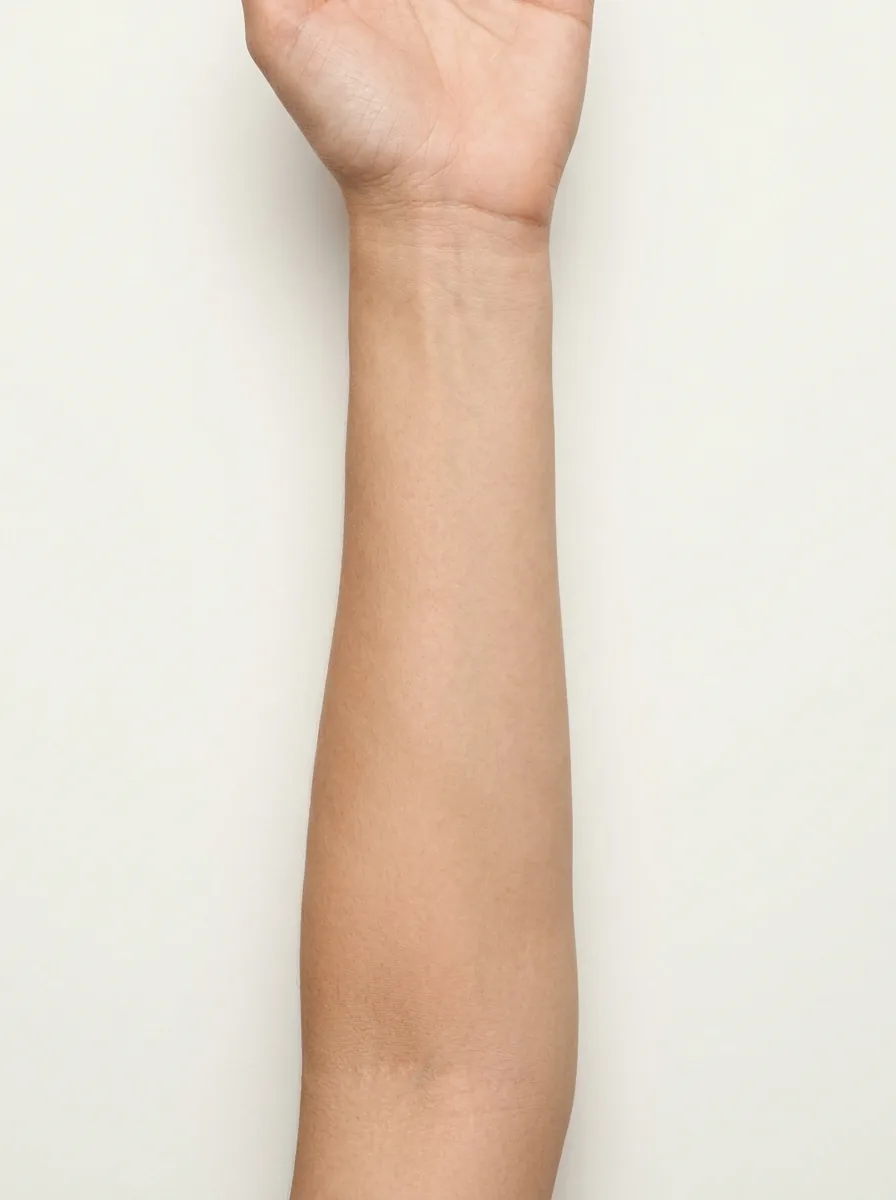
Forearm · vertical
Drag the kanji to move it.
This sits comfortably on a typical forearm.
The classic spot — a vertical column of kanji follows the arm naturally.
Mistakes are permanent — the check is free.
夢 — Dream, vision, aspiration
夢 is the quintessential kanji for dream — encompassing both nightly dreams and life aspirations. The character's upper part (艹+罒) represents a hazy, obscured view, while the lower part (夕) means evening, together evoking visions seen in the dark of night. In Japanese culture, hatsu-yume (初夢), the first dream of the new year, is believed to foretell one's fortune. The famous saying "Yume wa kanau" (夢は叶う — dreams come true) reflects Japan's deep cultural connection between dreams and perseverance.
Extremely common in both everyday and aspirational contexts. Found in 夢中 (muchuu — absorbed, engrossed), 悪夢 (akumu — nightmare), 夢想 (musou — reverie, daydream), and 夢見る (yumemiru — to dream). Widely used in motivational slogans, song lyrics, and as a popular name kanji.
One of the most universally recognized and positively received kanji for tattoos. The 13 strokes create a visually balanced, elegant form that works beautifully in brush calligraphy. Its dual meaning — both literal dreams and life aspirations — gives it powerful layered significance.
志 — Ambition, aspiration, will, purpose
志 represents the directed will of the heart — a dream crystallized into purpose and determination. The character combines 士 (samurai/scholar) with 心 (heart), literally meaning the heart of a warrior-scholar who has resolved to pursue a goal. In the samurai tradition, having a strong 志 was considered essential to living with honor. Yoshida Shoin, one of the most influential figures of the Meiji Restoration, famously wrote about the power of 志 as the driving force behind all great achievements.
Common in formal and literary contexts. Found in 志望 (shibou — aspiration, desire), 志願 (shigan — volunteering, applying), 意志 (ishi — will, determination), and 志す (kokorozasu — to aspire to). Often used in graduation speeches and career contexts.
A powerful, compact kanji with only 7 strokes — perfect for clean, minimalist tattoos. Its meaning of purposeful determination resonates deeply with anyone pursuing a personal mission. The samurai connection adds cultural weight without cliché.
想 — Thought, imagination, concept
想 captures the imaginative dimension of dreaming — the act of forming pictures in the mind. The character combines 相 (mutual/appearance) with 心 (heart), suggesting images that arise in the heart. In Japanese aesthetics, 想像力 (souzouryoku — imagination) is highly valued in art, literature, and even business innovation. The concept of 理想 (risou — ideal) uses 想 to denote the perfect vision one aspires toward.
Very common across many contexts. Found in 想像 (souzou — imagination), 理想 (risou — ideal), 感想 (kansou — impression, thoughts), 空想 (kuusou — fantasy, daydream), and 思想 (shisou — thought, ideology). Frequently used in creative and philosophical discussions.
A meaningful choice for those who value imagination and creative thinking. The 13 strokes are well-balanced and look good in calligraphy. However, its meaning is more abstract than 夢 and may require explanation — it represents the process of dreaming/imagining rather than the dream itself.
幻 — Illusion, phantom, vision, fantasy
幻 represents the mystical, ethereal side of dreams — visions that hover between reality and fantasy. The character is thought to derive from a pictograph of silk threads being twisted, evoking something shimmering and hard to grasp. In Japanese literature and Noh theater, 幻 (maboroshi) is a central aesthetic concept — the beauty of things that appear and vanish like phantoms. The Tale of Genji features a chapter titled 幻, exploring the dreamlike nature of memory and loss.
Common in literary, artistic, and dramatic contexts. Found in 幻想 (gensou — fantasy, illusion), 幻覚 (genkaku — hallucination), 幻影 (gen'ei — phantom, apparition), and 幻滅 (genmetsu — disillusionment). Popular in anime, game, and manga titles.
At only 4 strokes, 幻 is one of the most minimalist kanji available — perfect for small, subtle tattoos. Its meaning of mystical vision carries a poetic, otherworldly quality. However, it leans more toward illusion/phantom than positive dreaming, so it suits those drawn to the mysterious rather than the aspirational.
Font Style Preview
See how each kanji looks in different Japanese font styles.
| Font | 夢 | 志 | 想 | 幻 |
|---|---|---|---|---|
| Serif | 夢 | 志 | 想 | 幻 |
| Sans | 夢 | 志 | 想 | 幻 |
| Yuji Mai | 夢 | 志 | 想 | 幻 |
| Yuji Syuku | 夢 | 志 | 想 | 幻 |
| Kouzan Syodou | 夢 | 志 | 想 | 幻 |
| Tamanegi Geki | 夢 | 志 | 想 | 幻 |
Common Mistakes to Avoid
眠 means sleeping or being drowsy — the physical state, not the mental experience of dreaming. Getting 眠 when you meant 'dream' would literally mean 'sleepy' or 'I sleep,' which misses the aspirational meaning entirely. Use 夢 for the act of dreaming.
寝 means going to bed or lying down to sleep. It's purely about the physical act of resting, with no connection to dreams or visions. A 寝 tattoo would essentially mean 'bedtime' — not the inspiring message most people intend.
Context-specific errors are harder to catch. The kanji for “future goals and wishes” vs “imaginative fantasy” vs “mystical vision” each require different characters. A wrong choice isn't always obvious until a native speaker sees it.
Verify your phrase with AI before you ink →Frequently Asked Questions
This page covers generic “dream” — but your tattoo is personal
The right kanji depends on your exact phrase, intended nuance, and personal context. Our AI translates your specific meaning into authentic Japanese — with cultural verification and tattoo-ready exports.
Verify your kanji before you ink →