Kanji for DragonMeanings & Tattoo Guide
龍 and 竜 are the same word — but 龍 is the classical, ornate form prized for tattoos. Compare the dragon kanji, the zodiac 辰, and the deity 龍神 for your ink.
At a Glance
| Kanji | Meaning | Reading | Strokes | Tattoo |
|---|---|---|---|---|
| 龍 | Dragon (classical form) | ryuu | 16 | excellent |
| 竜 | Dragon (modern form) | ryuu | 10 | good |
| 辰 | Dragon (zodiac sign) | tatsu | 7 | good |
| 龍神 | Dragon god, dragon deity | ryuujin | 25 | excellent |
Not sure which one fits your meaning? “Dragon” can translate differently depending on context.
Check your kanji for free →See it on your body
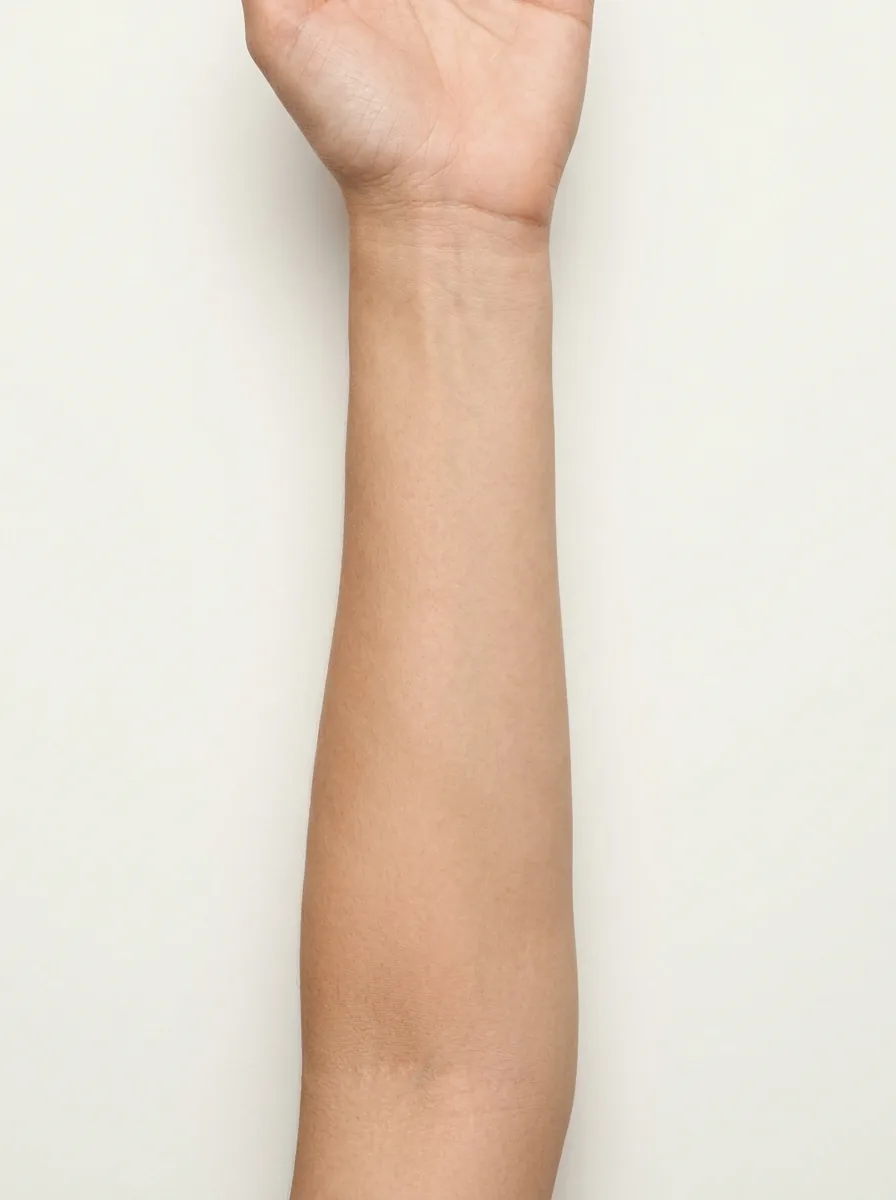
Forearm · vertical
Drag the kanji to move it.
This sits comfortably on a typical forearm.
The classic spot — a vertical column of kanji follows the arm naturally.
Mistakes are permanent — the check is free.
龍 — Dragon (classical form)
龍 is the traditional, full form of the dragon kanji — the version that has appeared on temple gates, sword fittings, and clan crests for over a thousand years. In East Asian myth the dragon is not the fire-breathing monster of Western fantasy but a divine, benevolent force tied to water, rain, emperors, and good fortune. The dense 16-stroke glyph itself looks powerful, which is exactly why calligraphers and tattoo artists favor it. It appears in 龍神 (ryuujin — dragon god) and 登龍門 (touryuumon — the dragon gate of success).
龍 is the prestige form used in names, shrines, calligraphy, and martial arts schools. While the simplified 竜 is more common in everyday print, 龍 is overwhelmingly preferred when the goal is gravitas — personal names like 龍一 (Ryuichi), dojo names, and brand logos almost always reach for 龍.
The connoisseur's choice. Its 16 strokes create a dense, ornate block that reads as serious and authentic to anyone familiar with Japanese culture — far more striking than the simplified form. Best at medium-to-large size so the intricate strokes stay crisp; very small versions can blur. If you want one bold dragon kanji with maximum visual and cultural weight, this is it.
竜 — Dragon (modern form)
竜 is the simplified, modern standard form of 龍 — the two are the same word (ryuu) and the same creature, just written differently. 竜 was adopted as the everyday form in post-war Japan, so it's what you'll see in newspapers, schoolbooks, and most given names today. It carries the identical meaning of the divine, water-ruling dragon, with a cleaner, more open silhouette.
竜 is the form taught in school and used in the vast majority of modern names and printed text — 竜也 (Tatsuya), 恐竜 (kyouryuu — dinosaur), 竜巻 (tatsumaki — tornado). When precision or tradition isn't the priority, this is the default dragon kanji.
A clean, balanced 10-stroke alternative that stays legible at small sizes where 龍 would blur. The trade-off is gravitas: to a Japanese eye 竜 reads as the modern, casual form, so it feels a touch less ceremonial than 龍. Choose 竜 for a minimalist or small tattoo; choose 龍 when you want the ornate, traditional presence.
辰 — Dragon (zodiac sign)
辰 is the dragon of the Chinese zodiac — the fifth of the twelve animals and the only mythical one. People born in a Year of the Dragon are said to be ambitious, charismatic, and fortunate. Because 辰 ties the dragon to a specific birth year rather than the creature itself, it carries a quieter, more personal meaning than 龍 or 竜, and it reads as elegant and understated.
辰 appears in zodiac contexts (辰年 tatsu-doshi — Year of the Dragon) and in given names, where it lends a classical, auspicious feel — 辰雄 (Tatsuo), 辰巳 (Tatsumi). It is rarely used to write the animal 'dragon' in plain prose; for that, 竜/龍 are used.
A subtle, sophisticated choice at only 7 strokes — ideal if you were born in the Year of the Dragon and want a personal, understated mark rather than a bold creature. Be aware that 辰 reads as 'the zodiac dragon / birth year,' not 'dragon the beast,' so it's quieter in meaning. Clean and small-tattoo friendly.
龍神 — Dragon god, dragon deity
龍神 combines 龍 (dragon) and 神 (god) to mean 'dragon deity' — the divine dragons that rule the seas and rains in Japanese belief. Ryūjin is the dragon king of the ocean in Shinto myth, enshrined at coastal shrines across Japan and prayed to by fishermen and sailors. The two-character word elevates the dragon from a creature to a worshipped force of nature.
龍神 is used in the names of shrines, festivals, and protective talismans, and appears widely in anime, games, and tattoo art as a marker of oceanic, divine power. It is instantly understood as 'dragon god' by Japanese readers.
If a single dragon kanji feels too plain, 龍神 ('dragon god') delivers maximum mythic weight in two characters and is widely recognized. The combined stroke count is high, so it needs medium-to-large placement (forearm, back, calf) to stay crisp. A favorite for those who want the dragon as a divine guardian rather than just a beast.
Font Style Preview
See how each kanji looks in different Japanese font styles.
| Font | 龍 | 竜 | 辰 | 龍神 |
|---|---|---|---|---|
| Serif | 龍 | 竜 | 辰 | 龍神 |
| Sans | 龍 | 竜 | 辰 | 龍神 |
| Yuji Mai | 龍 | 竜 | 辰 | 龍神 |
| Yuji Syuku | 龍 | 竜 | 辰 | 龍神 |
| Kouzan Syodou | 龍 | 竜 | 辰 | 龍神 |
| Tamanegi Geki | 龍 | 竜 | 辰 | 龍神 |
Common Mistakes to Avoid
蛇 means 'snake,' not 'dragon.' Because Western dragons are serpentine, English speakers sometimes assume they're related — but in Japanese 蛇 (hebi) is a plain snake and can carry negative shades of cunning or grudge (as in 蛇足 — superfluous). It completely lacks the divine, auspicious nobility of 龍. Never substitute it for a dragon tattoo.
鯉 means 'carp.' The famous legend of the koi swimming up the waterfall to become a dragon (登龍門) makes people conflate the two, but 鯉 is just the fish, not the dragon. If you want the transformation symbolism, that's a koi tattoo — for the dragon itself, use 龍 or 竜.
Context-specific errors are harder to catch. The kanji for “a fierce guardian dragon” vs “the dragon of your birth year” vs “a divine dragon god of the sea” each require different characters. A wrong choice isn't always obvious until a native speaker sees it.
Verify your phrase with AI before you ink →Frequently Asked Questions
This page covers generic “dragon” — but your tattoo is personal
The right kanji depends on your exact phrase, intended nuance, and personal context. Our AI translates your specific meaning into authentic Japanese — with cultural verification and tattoo-ready exports.
Verify your kanji before you ink →