
Passion in KanjiMeanings & Tattoo Guide
熱 = burning fervor, 情 = heartfelt emotion, 烈 = fierce intensity, 燃 = to burn. Compare 4 passion kanji with stroke counts, cultural context, and tattoo suitability.
At a Glance
| Kanji | Meaning | Reading | Strokes | Tattoo |
|---|---|---|---|---|
| 熱 | Heat, fever, burning enthusiasm | netsu | 15 | excellent |
| 情 | Emotion, feeling, heartfelt sentiment | jou | 11 | good |
| 烈 | Intense, fierce, violent ardor | retsu | 10 | excellent |
| 燃 | To burn, to be aflame, to be fired up | moeru | 16 | good |
Not sure which one fits your meaning? “Passion” can translate differently depending on context.
Check your kanji for free →See it on your body
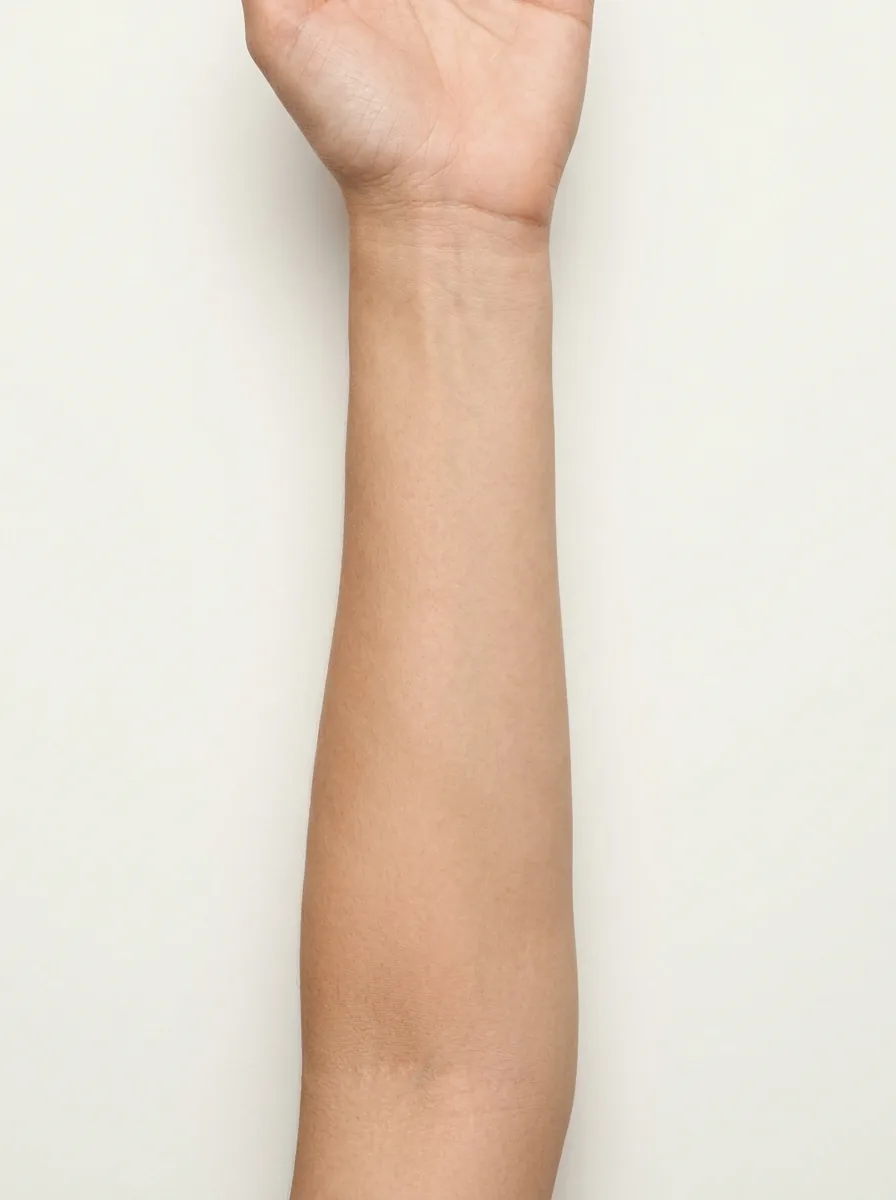
Forearm · vertical
Drag the kanji to move it.
This sits comfortably on a typical forearm.
The classic spot — a vertical column of kanji follows the arm naturally.
Mistakes are permanent — the check is free.
熱 — Heat, fever, burning enthusiasm
熱 literally means heat or fever, and in Japanese it doubles as the word for an inner fire — the temperature of devotion. The compound 情熱 (jounetsu — passion) is the standard Japanese word for passion, and 熱 carries that meaning even on its own. Culturally, having 熱 for something means you are willing to sacrifice sleep, comfort, and ego for it. Athletes, artists, and craftsmen are described as 熱い (atsui — hot) when they pour themselves into their work.
Very common in everyday Japanese. Found in 情熱 (jounetsu — passion), 熱中 (necchuu — absorbed, engrossed), 熱意 (netsui — zeal), 熱血 (nekketsu — hot-blooded), and 熱狂 (nekkyou — frenzy). Frequently used in sports and motivational contexts.
The most direct single-kanji expression of passion in Japanese. Universally understood and carries no negative undertone. The 15 strokes give it visual weight — looks particularly powerful in brush calligraphy. Works well at medium-to-large sizes; very small renderings risk losing the bottom 灬 (fire) radical.
⚠ On its own, 熱 can also simply mean a body fever — without context, a Japanese reader may first think "sick with a fever" before reading it as passion. Pairing it with another character (like 情熱) removes the ambiguity, but a single 熱 tattoo benefits from contextual placement or accompanying imagery.
情 — Emotion, feeling, heartfelt sentiment
情 is the kanji of feeling itself — the warmth, sympathy, and emotional charge that connect humans to each other. It appears in 情熱 (passion), 愛情 (affection), 友情 (friendship), and 人情 (human kindness). The character pairs 忄 (heart radical) with 青 (fresh, pure), suggesting feelings that come from a clean, unguarded heart. In Japanese aesthetics, 情 is considered one of the highest qualities a person can have — to be 情に厚い (rich in feeling) is to be deeply human.
Extremely common across all registers. Found in 情熱 (jounetsu — passion), 愛情 (aijou — affection), 感情 (kanjou — emotion), 友情 (yuujou — friendship), and 表情 (hyoujou — facial expression).
A nuanced, sophisticated choice that reads as emotion or heartfelt feeling rather than burning intensity. Less specifically 'passion' than 熱 — closer to 'sentiment' or 'feeling.' The 11 strokes are well-balanced and look elegant in any font. Best for those who want their passion to read as warmth and depth rather than fire.
烈 — Intense, fierce, violent ardor
烈 conveys passion at its most intense — fierce, uncompromising, almost violent in its conviction. The character contains 灬 (fire) at its base, and is associated with extremes: 烈火 (raging fire), 熱烈 (fervent), 猛烈 (intense). In samurai literature, 烈士 (resshi) describes a person of fierce conviction who would die before betraying their ideals. 烈 carries the weight of someone whose passion cannot be moderated or compromised.
Less common than 熱 in casual speech but prominent in formal, literary, and martial contexts. Found in 熱烈 (netsuretsu — fervent), 猛烈 (mouretsu — intense, vehement), 強烈 (kyouretsu — powerful, intense), 烈火 (rekka — raging fire), and 烈士 (resshi — person of fierce conviction).
Dramatic, distinctive, and rarely chosen as a tattoo — making it visually unique. The 10 strokes balance well and the character looks especially striking in bold brush styles. Best suited for those who want passion to read as fierce conviction rather than warm enthusiasm. Carries a slightly masculine, martial connotation.
燃 — To burn, to be aflame, to be fired up
燃 is the verb of burning, used both literally (fire burning) and figuratively (a person being fired up). 燃える思い (moeru omoi — burning thoughts/feelings) is a stock phrase in Japanese poetry and lyrics for passion that consumes the heart. Modern Japanese youth slang 萌え (moe — affection bordering on obsession) was originally derived from this character before drifting to its own meaning. Where 熱 is the temperature of passion, 燃 is the act of being on fire.
Common in literary and emotional contexts. Found in 燃える (moeru — to burn, to be fired up), 燃焼 (nenshou — combustion), 燃料 (nenryou — fuel), and the compound 燃える思い (moeru omoi — burning passion). Frequently appears in song lyrics and sports commentary.
An evocative, action-oriented choice — passion as a verb rather than a noun. The 16 strokes carry visual heft and the 火 (fire) radical on the left makes the meaning visually obvious. Slightly less common than 熱 as a tattoo, giving it more uniqueness. Works best at larger sizes where the dense strokes can breathe.
⚠ Without context, 燃 reads first as the literal verb 'to burn' — a Japanese reader may need a second to interpret it metaphorically as passion. Pairing with another kanji (like 燃情) clarifies the figurative meaning, but a standalone 燃 may strike native readers as more literal-fire than passion-fire.
Font Style Preview
See how each kanji looks in different Japanese font styles.
| Font | 熱 | 情 | 烈 | 燃 |
|---|---|---|---|---|
| Serif | 熱 | 情 | 烈 | 燃 |
| Sans | 熱 | 情 | 烈 | 燃 |
| Yuji Mai | 熱 | 情 | 烈 | 燃 |
| Yuji Syuku | 熱 | 情 | 烈 | 燃 |
| Kouzan Syodou | 熱 | 情 | 烈 | 燃 |
| Tamanegi Geki | 熱 | 情 | 烈 | 燃 |
Common Mistakes to Avoid
Sometimes mistakenly suggested for 'passion' because of romantic-passion connotations. In Japanese, 色 means color literally, but figuratively it overwhelmingly carries sexual or lustful connotations — 色情 (shikijou) means sexual desire, 色気 (iroke) means sex appeal. Getting 色 as a passion tattoo would read as 'lust' or 'sensuality' to a native speaker, not the fervor of devotion.
Often suggested as a 'passion' alternative by translation tools, but 魂 specifically means soul or spirit — the inner essence of a person, not their fervor. While related, it answers a different question: 'what are you?' (your soul) versus 'how do you feel?' (your passion). Using 魂 when you meant passion would feel like a category error to a Japanese reader.
Context-specific errors are harder to catch. The kanji for “burning enthusiasm” vs “heartfelt feeling” vs “fierce devotion” each require different characters. A wrong choice isn't always obvious until a native speaker sees it.
Verify your phrase with AI before you ink →Frequently Asked Questions
This page covers generic “passion” — but your tattoo is personal
The right kanji depends on your exact phrase, intended nuance, and personal context. Our AI translates your specific meaning into authentic Japanese — with cultural verification and tattoo-ready exports.
Verify your kanji before you ink →