Kanji for WisdomMeanings & Tattoo Guide
智 = deep wisdom, 知 = knowledge, 賢 = practical cleverness, 慧 = spiritual insight. Compare 4 wisdom kanji with cultural context and tattoo ratings.
At a Glance
| Kanji | Meaning | Reading | Strokes | Tattoo |
|---|---|---|---|---|
| 智 | Wisdom, intellect, sagacity | chi | 12 | excellent |
| 知 | Know, wisdom, awareness, understand | chi | 8 | excellent |
| 賢 | Wise, clever, smart, prudent | ken | 16 | good |
| 慧 | Wisdom, intelligence, spiritual insight | kei | 15 | excellent |
Not sure which one fits your meaning? “Wisdom” can translate differently depending on context.
Check your kanji for free →See it on your body
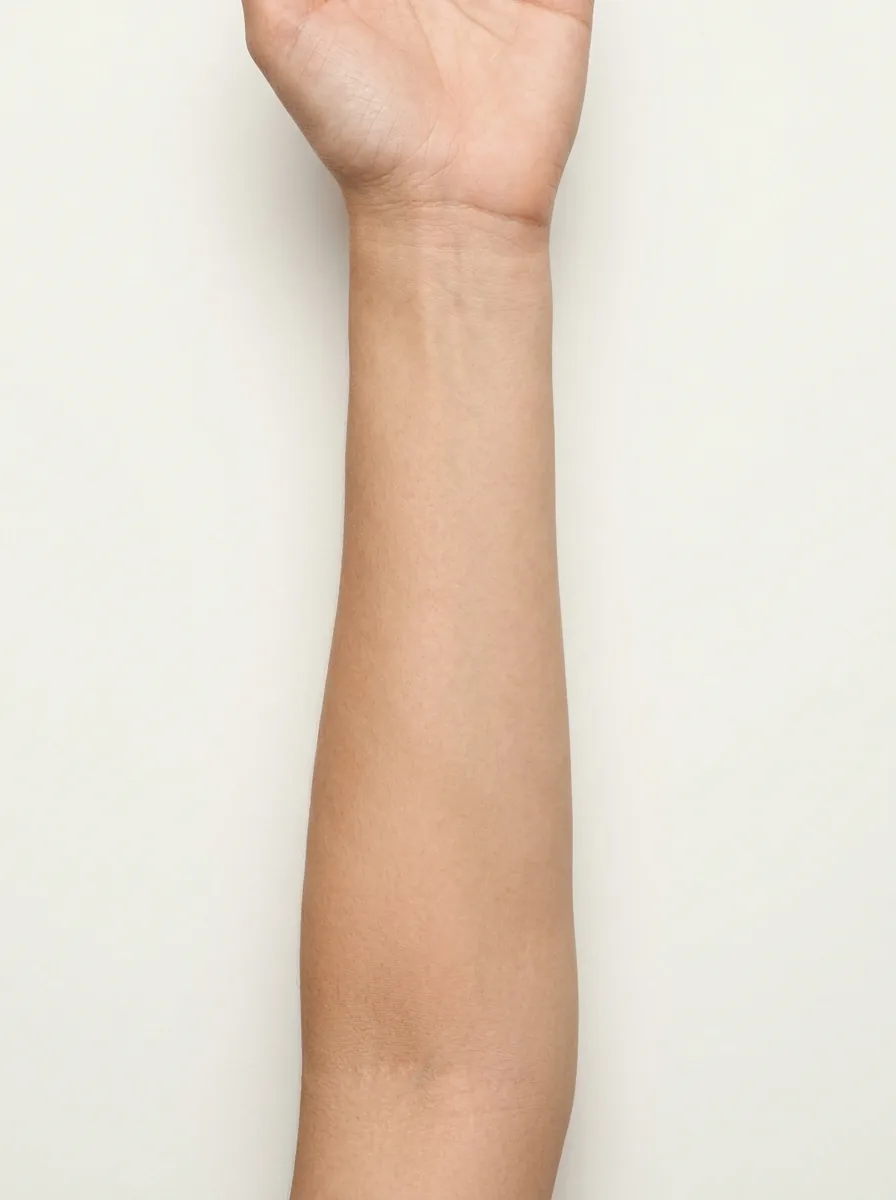
Forearm · vertical
Drag the kanji to move it.
This sits comfortably on a typical forearm.
The classic spot — a vertical column of kanji follows the arm naturally.
Mistakes are permanent — the check is free.
智 — Wisdom, intellect, sagacity
智 is the classical, philosophical kanji for wisdom — deep understanding that goes beyond mere knowledge. The character combines 知 (to know) with 日 (sun/day), suggesting knowledge illuminated by clarity. In Buddhist philosophy, 智 is one of the highest virtues — 般若の智 (hannya no chi — prajna wisdom) refers to the transcendent insight that sees through illusion to the true nature of reality. Confucianism also elevates 智 as one of the Five Constant Virtues (五常), alongside 仁 (benevolence), 義 (righteousness), 礼 (propriety), and 信 (faithfulness).
Found in formal, philosophical, and literary contexts. Used in 智慧 (chie — wisdom), 智恵 (chie — wisdom, alternate writing), 叡智 (eichi — profound wisdom), and 智略 (chiryaku — strategic wisdom). Very popular in names: 智子 (Tomoko), 智也 (Tomoya), 智 (Satoshi/Tomo).
智 carries the weight of centuries of philosophical tradition — from Buddhism to Confucianism. The 12 strokes create a substantial, dignified form that commands respect. Its meaning of deep, illuminated wisdom (not just knowing facts) gives it profound personal significance. The perfect choice for those who value wisdom as a guiding principle.
知 — Know, wisdom, awareness, understand
知 is the everyday kanji for knowing and understanding — the practical, accessible face of wisdom. The character combines 矢 (arrow — representing speed and directness) with 口 (mouth — representing speech/communication), suggesting the swift transmission of knowledge. While less lofty than 智, 知 is arguably more versatile — it covers everything from factual knowledge to intuitive understanding. The famous Zen concept 不知 (fuchi — not-knowing) paradoxically uses 知 to explore how true wisdom begins with acknowledging what you don't know.
Extremely common in daily Japanese. Found in 知る (shiru — to know), 知識 (chishiki — knowledge), 知恵 (chie — wisdom), 知人 (chijin — acquaintance), 通知 (tsuuchi — notification), and 知性 (chisei — intelligence, intellect). One of the most frequently used kanji in Japanese.
知 is clean, accessible, and universally understood at only 8 strokes. Its meaning ranges from everyday 'knowing' to deep 'awareness,' allowing personal interpretation. The arrow radical (矢) gives it a dynamic visual quality. While simpler than 智, its directness is a strength — it says 'I value knowledge' without pretension. Excellent for minimalist tattoos.
賢 — Wise, clever, smart, prudent
賢 represents practical wisdom — the ability to make wise decisions, act prudently, and navigate life skillfully. The character combines 臤 (hard, firm) with 貝 (shell/money), originally suggesting someone firm and careful with resources — a wise manager. In Japanese history, the title 賢者 (kenja — wise person, sage) was reserved for those who demonstrated practical wisdom and sound judgment. The Buddhist concept of 賢劫 (gengou — the 'Fortunate Eon') suggests a period when many wise beings appear.
Common in descriptive and formal contexts. Found in 賢い (kashikoi — wise, clever), 賢者 (kenja — wise person, sage), 賢明 (kenmei — wise, prudent), and 賢人 (kenjin — sage, wise man). Used in names: 賢 (Ken/Masaru/Satoshi), 賢太郎 (Kentarou).
賢 is a strong kanji that communicates practical, grounded wisdom. The 16 strokes create an imposing form that needs medium-to-large placement. Its meaning is clear and positive — wise in a practical, applied sense. However, it leans more toward 'clever/smart' than 'philosophically wise,' so those seeking spiritual depth may prefer 智 or 慧.
慧 — Wisdom, intelligence, spiritual insight
慧 represents transcendent, spiritual wisdom — the kind of insight that perceives the true nature of existence. The character features 彗 (comet/broom — sweeping away ignorance) over 心 (heart), suggesting a heart cleared of delusion. In Buddhism, 慧 (pali: panna, sanskrit: prajna) is one of the three essential trainings alongside 戒 (morality) and 定 (concentration). The compound 智慧 (chie) — combining 智 and 慧 — is the fullest expression of wisdom in East Asian philosophy, encompassing both intellectual understanding and spiritual insight.
Found primarily in spiritual, philosophical, and literary contexts. Used in 智慧 (chie — wisdom), 慧眼 (keigan — discerning eye, insight), and 知慧 (chie — wisdom, alternate writing). Popular in names: 慧 (Kei/Satoshi), 慧子 (Keiko). Less common in everyday speech than 知 or 智.
慧 is the most spiritually resonant of the wisdom kanji — its Buddhist heritage gives it profound depth. The 15 strokes create an elegant, complex form with the heart radical (心) prominently visible at the base, reinforcing that true wisdom comes from the heart. Perfect for those drawn to meditation, Buddhism, or spiritual growth. The character is less common as a standalone, which makes it more unique as a tattoo choice.
Font Style Preview
See how each kanji looks in different Japanese font styles.
| Font | 智 | 知 | 賢 | 慧 |
|---|---|---|---|---|
| Serif | 智 | 知 | 賢 | 慧 |
| Sans | 智 | 知 | 賢 | 慧 |
| Yuji Mai | 智 | 知 | 賢 | 慧 |
| Yuji Syuku | 智 | 知 | 賢 | 慧 |
| Kouzan Syodou | 智 | 知 | 賢 | 慧 |
| Tamanegi Geki | 智 | 知 | 賢 | 慧 |
Common Mistakes to Avoid
頭 means head or brain — the physical organ, not the quality of wisdom. A 頭 tattoo would literally mean 'head' or suggest 'headache' (頭痛 zutsuu). It has no philosophical or aspirational connotation. Use 智 or 知 for wisdom as an intellectual quality.
聡 means sharp-eared or quick-witted — intelligence as quick processing rather than deep wisdom. While not negative, it describes natural talent (being clever) rather than the cultivated, earned quality of wisdom. For a wisdom tattoo, 智 or 慧 carry far more depth.
Context-specific errors are harder to catch. The kanji for “spiritual enlightenment” vs “everyday understanding” vs “wise decision-making” each require different characters. A wrong choice isn't always obvious until a native speaker sees it.
Verify your phrase with AI before you ink →Frequently Asked Questions
This page covers generic “wisdom” — but your tattoo is personal
The right kanji depends on your exact phrase, intended nuance, and personal context. Our AI translates your specific meaning into authentic Japanese — with cultural verification and tattoo-ready exports.
Verify your kanji before you ink →