Kanji for Peace of MindMeanings & Tattoo Guide
"Peace of mind" isn't just 安心. Use 安 alone and it can mean "cheap." Learn the correct kanji form and avoid a mistake that stays on your skin forever.
At a Glance
| Kanji | Meaning | Reading | Strokes | Tattoo |
|---|---|---|---|---|
| 安心 | Peace of mind, relief, reassurance | anshin | 10 | excellent |
Not sure which one fits your meaning? “Peace of Mind” can translate differently depending on context.
Check your kanji for free →See it on your body
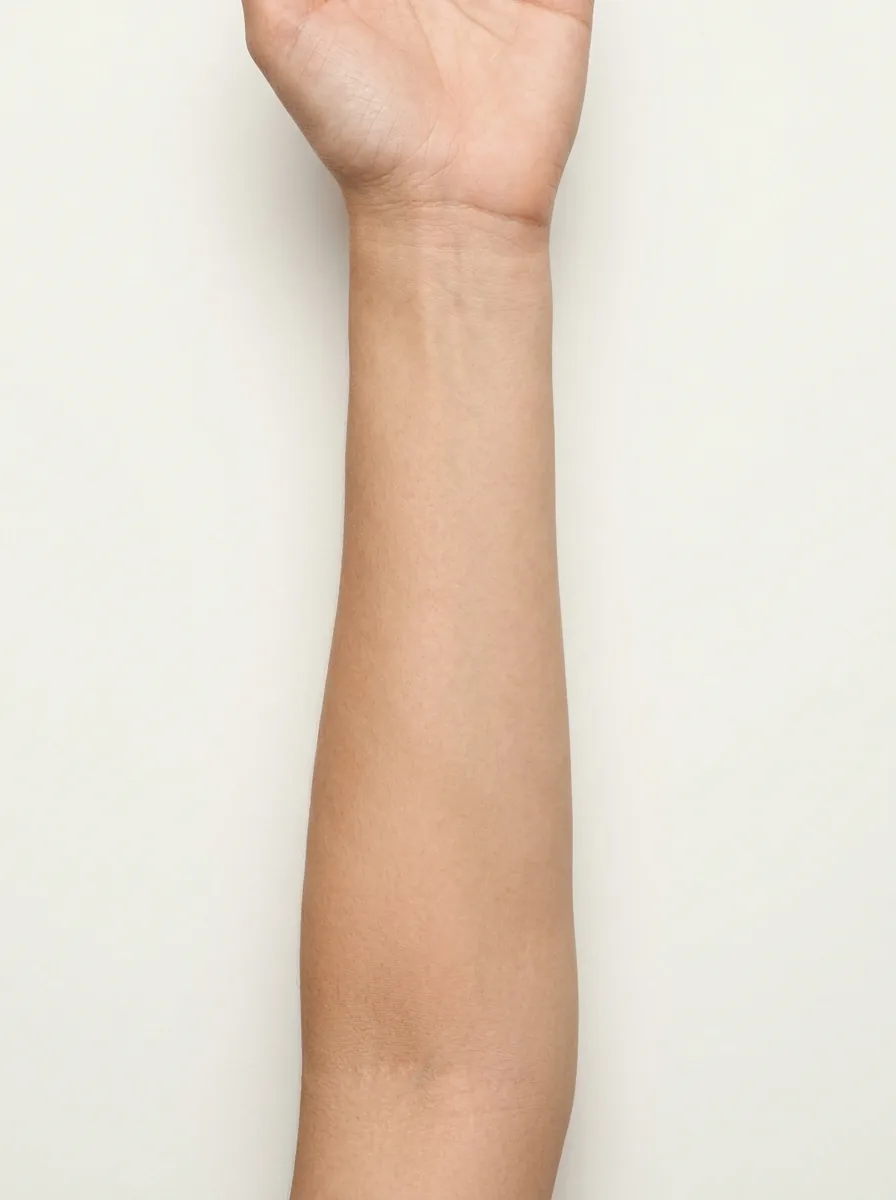
Forearm · vertical
Drag the kanji to move it.
This sits comfortably on a typical forearm.
The classic spot — a vertical column of kanji follows the arm naturally.
Mistakes are permanent — the check is free.
安心 — Peace of mind, relief, reassurance
安心 is the most direct and commonly used Japanese word for "peace of mind." The first character 安 depicts a woman (女) under a roof (宀), symbolizing domestic safety and comfort. The second character 心 means heart or mind. Together, 安心 literally means "a mind at ease" — the warm feeling of knowing everything is okay. This concept is deeply embedded in Japanese daily life; saying 安心した (anshin shita — "I'm relieved") is one of the most natural emotional expressions in the language.
Extremely common in everyday conversation. Used in 安心する (anshin suru — to feel relieved), 安心感 (anshinkan — sense of security), 安心安全 (anshin anzen — safe and secure, a common slogan). Found everywhere from product labels and insurance ads to heartfelt conversations between family members.
A universally understood and emotionally resonant compound. The 13 combined strokes create a balanced, elegant pair. 安心 reads clearly as a two-character tattoo and carries no negative connotations. Perfect for anyone seeking a tattoo that represents emotional security and inner calm. Works beautifully in both modern and brush calligraphy styles.
Here's something most guides won't tell you: 安心 is also one of the most ordinary words in everyday Japanese. Natives hear it on insurance ads, product labels, and casual remarks like 安心した ("phew, I'm relieved"). It's accurate and warm — but to Japanese eyes it can read as plain and utilitarian rather than profound, the way an English tattoo reading "reassurance" might. If you want peace of mind with real gravitas, classical expressions carry far more weight.
Font Style Preview
See how each kanji looks in different Japanese font styles.
| Font | 安心 |
|---|---|
| Serif | 安心 |
| Sans | 安心 |
| Yuji Mai | 安心 |
| Yuji Syuku | 安心 |
| Kouzan Syodou | 安心 |
| Tamanegi Geki | 安心 |
Common Mistakes to Avoid
While 安 is part of 安心, using it alone for "peace of mind" is misleading. Standalone 安 is most commonly associated with "cheap" or "inexpensive" (安い yasui) in modern Japanese. A 安 tattoo intended as "peace of mind" would likely be read as "cheap" by native speakers — an embarrassing misunderstanding.
心配 (shinpai) means worry or anxiety — the exact opposite of peace of mind. Some learners confuse it because both words contain 心 (mind/heart). Getting 心配 tattooed when you meant peace of mind would permanently mark you with "anxiety" instead.
無心 (mushin) can mean "no-mind" in a Zen context, but in everyday Japanese it more commonly means "begging for money" or "absent-mindedness." While it has philosophical merit in martial arts, it's easily misread and doesn't convey "peace of mind" to most Japanese speakers.
Context-specific errors are harder to catch. The kanji for “relief after hearing good news” vs “meditative clarity before action” vs “emotional security in a relationship” each require different characters. A wrong choice isn't always obvious until a native speaker sees it.
Verify your phrase with AI before you ink →Frequently Asked Questions
This page covers generic “peace of mind” — but your tattoo is personal
The right kanji depends on your exact phrase, intended nuance, and personal context. Our AI translates your specific meaning into authentic Japanese — with cultural verification and tattoo-ready exports.
Verify your kanji before you ink →