Kanji for PerseveranceMeanings & Tattoo Guide
忍 means both "endure" and "ninja," 耐 is raw endurance, 不屈 is the indomitable spirit that never bends. Compare the perseverance kanji for your tattoo.
At a Glance
| Kanji | Meaning | Reading | Strokes | Tattoo |
|---|---|---|---|---|
| 忍 | Endurance, perseverance, to bear | nin | 7 | excellent |
| 耐 | To endure, withstand, hold out | tai | 9 | good |
| 忍耐 | Patience, endurance, perseverance | nintai | 16 | good |
| 不屈 | Indomitable, unyielding, never giving up | fukutsu | 12 | excellent |
Not sure which one fits your meaning? “Perseverance” can translate differently depending on context.
Check your kanji for free →See it on your body
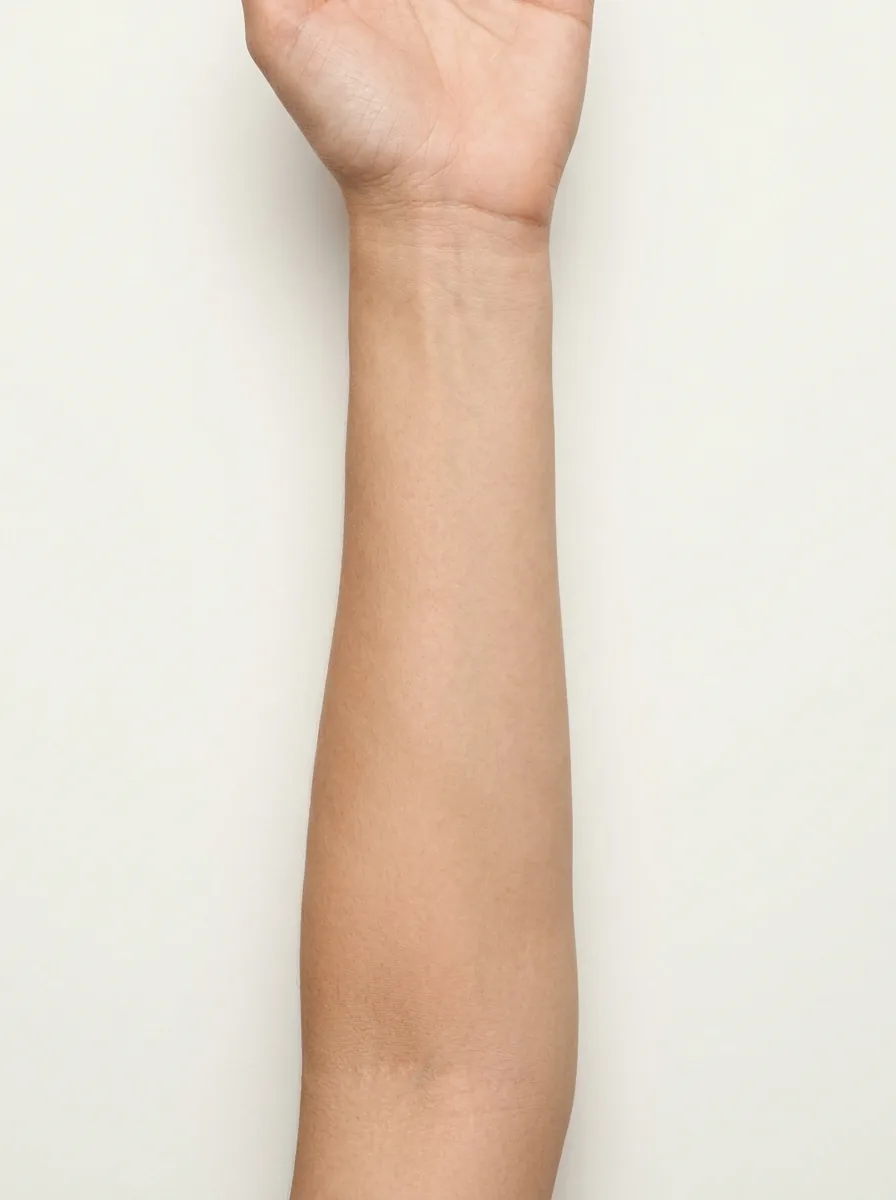
Forearm · vertical
Drag the kanji to move it.
This sits comfortably on a typical forearm.
The classic spot — a vertical column of kanji follows the arm naturally.
Mistakes are permanent — the check is free.
忍 — Endurance, perseverance, to bear
忍 is one of the most evocative kanji in Japanese: it shows 刃 (blade) above 心 (heart) — to endure is to bear a blade over your heart without flinching. It means patience and the strength to suffer through hardship in silence. The same character gives us 忍者 (ninja) and 忍術 (ninjutsu), because the ninja's defining skill was endurance and self-control. So 忍 fuses two powerful images — quiet perseverance and the shadow warrior.
忍 appears in 忍耐 (nintai — patience/endurance), 忍者 (ninja), and the verb 忍ぶ (shinobu — to endure, to hide). It reads as stoic and disciplined — bearing hardship without complaint — and carries an unmistakable martial-arts aura thanks to its ninja connection.
A near-perfect perseverance kanji: deep meaning (a blade over the heart), only 7 clean strokes, and instant recognition through its ninja association. It says 'I endure' with quiet strength rather than bravado. Works at virtually any size and is one of the most popular single-kanji tattoos for inner toughness.
耐 — To endure, withstand, hold out
耐 means to withstand and hold out against pressure — endurance in the physical, tougher-than-the-elements sense. Where 忍 is patience of the heart, 耐 is the capacity to take a beating and not break. It's the character in 耐久 (taikyuu — durability) and 忍耐 (nintai — endurance), and it conveys resilience under sustained strain.
耐 lives in 耐久 (taikyuu — durability/endurance), 耐震 (taishin — earthquake-resistant), and 我慢強い's cousin 耐える (taeru — to endure). It reads as sturdy and resilient — built to withstand — with a slightly more physical, technical tone than 忍.
A solid choice for endurance in the 'withstand anything' sense. At 9 strokes it's balanced and legible. It's a touch more literal and less poetic than 忍, and rarely stands alone in everyday Japanese (it usually appears in compounds), so some viewers may read it as slightly technical. Pairs naturally with 忍 as 忍耐 for fuller meaning.
忍耐 — Patience, endurance, perseverance
忍耐 is the standard two-character word for perseverance, joining 忍 (bear with the heart) and 耐 (withstand). Together they express the complete idea: enduring hardship with both patient spirit and unbreakable resilience. It's the word a Japanese person would actually use to praise someone's perseverance — the quality of grinding through difficulty without giving up.
忍耐 is common, respected vocabulary — 忍耐力 (nintai-ryoku — staying power), 忍耐強い (nintai-zuyoi — highly patient). It reads as a genuine virtue, the trait of people who outlast their struggles, and is completely unambiguous in meaning.
The clearest, most unambiguous way to write 'perseverance' — no native speaker will misread it. The trade-off is size: two characters totaling 16 strokes need medium placement to stay crisp, and it has a slightly more 'dictionary-correct' feel than the striking single 忍. Choose 忍耐 when clarity matters most; choose 忍 for a bolder, more iconic single mark.
不屈 — Indomitable, unyielding, never giving up
不屈 means 'never bending' — 不 (not) plus 屈 (to bend/yield). It describes the indomitable spirit that refuses to surrender no matter how hard it's pushed. Where 忍耐 is patiently enduring, 不屈 is actively defiant: bent but never broken. It's the heart of the phrase 不撓不屈 (futou-fukutsu — indomitable perseverance), a four-character idiom celebrating those who never quit.
不屈 appears in 不屈の精神 (fukutsu no seishin — indomitable spirit) and sports and motivational language praising fighters who keep getting back up. It reads as strong, heroic, and inspiring — perseverance with fire in it rather than quiet patience.
A powerful, uplifting choice for those who see perseverance as defiance — 'I will not be broken.' Its meaning (indomitable, unyielding) is more dynamic than passive endurance, and at 12 strokes across two characters it has bold presence while staying legible at medium size. Excellent for survivor, athlete, and comeback stories.
Font Style Preview
See how each kanji looks in different Japanese font styles.
| Font | 忍 | 耐 | 忍耐 | 不屈 |
|---|---|---|---|---|
| Serif | 忍 | 耐 | 忍耐 | 不屈 |
| Sans | 忍 | 耐 | 忍耐 | 不屈 |
| Yuji Mai | 忍 | 耐 | 忍耐 | 不屈 |
| Yuji Syuku | 忍 | 耐 | 忍耐 | 不屈 |
| Kouzan Syodou | 忍 | 耐 | 忍耐 | 不屈 |
| Tamanegi Geki | 忍 | 耐 | 忍耐 | 不屈 |
Common Mistakes to Avoid
我慢 (gaman) is often grabbed for 'perseverance,' but it carries a mundane, slightly negative shade — 'putting up with' something unpleasant, gritting your teeth through annoyance. It also literally combines 我 (self) and 慢 (arrogance/conceit) in origin. To Japanese ears it sounds more like everyday endurance of irritation than noble perseverance. Use 忍耐 or 不屈 for the dignified version.
辛 is sometimes chosen to mean 'enduring hardship,' but on its own it simply means 'painful/bitter' — and, confusingly, 'spicy' in food contexts (辛い can read tsurai 'painful' or karai 'spicy'). As a standalone tattoo it reads as 'pain' or even 'spicy,' not perseverance. Don't use it to express endurance; choose 忍 instead.
Context-specific errors are harder to catch. The kanji for “enduring hardship with a patient heart” vs “withstanding pressure without breaking” vs “the unyielding spirit that never quits” each require different characters. A wrong choice isn't always obvious until a native speaker sees it.
Verify your phrase with AI before you ink →Frequently Asked Questions
This page covers generic “perseverance” — but your tattoo is personal
The right kanji depends on your exact phrase, intended nuance, and personal context. Our AI translates your specific meaning into authentic Japanese — with cultural verification and tattoo-ready exports.
Verify your kanji before you ink →